Waymore Tools
Today's Insights: 8 Must-Have Power Tools For DIY And Woodworking
Summary
Discover the eight essential power tools for woodworking and DIY projects, including their features, benefits, and recommendations.
Highlights
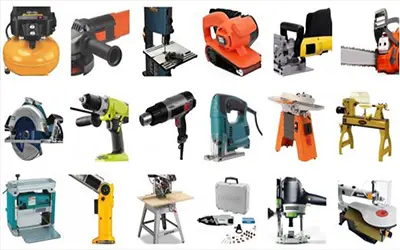
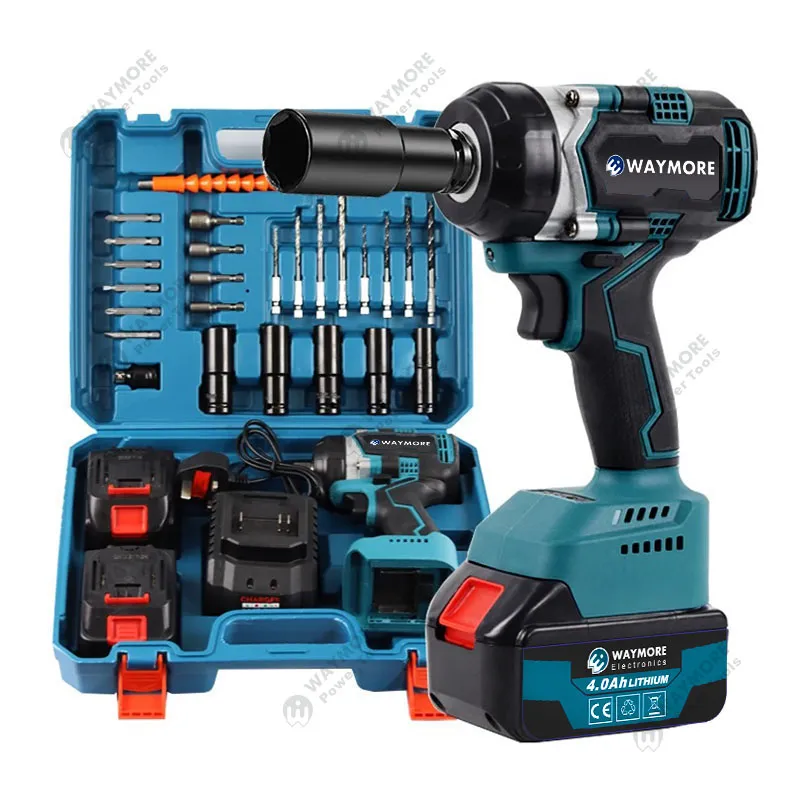
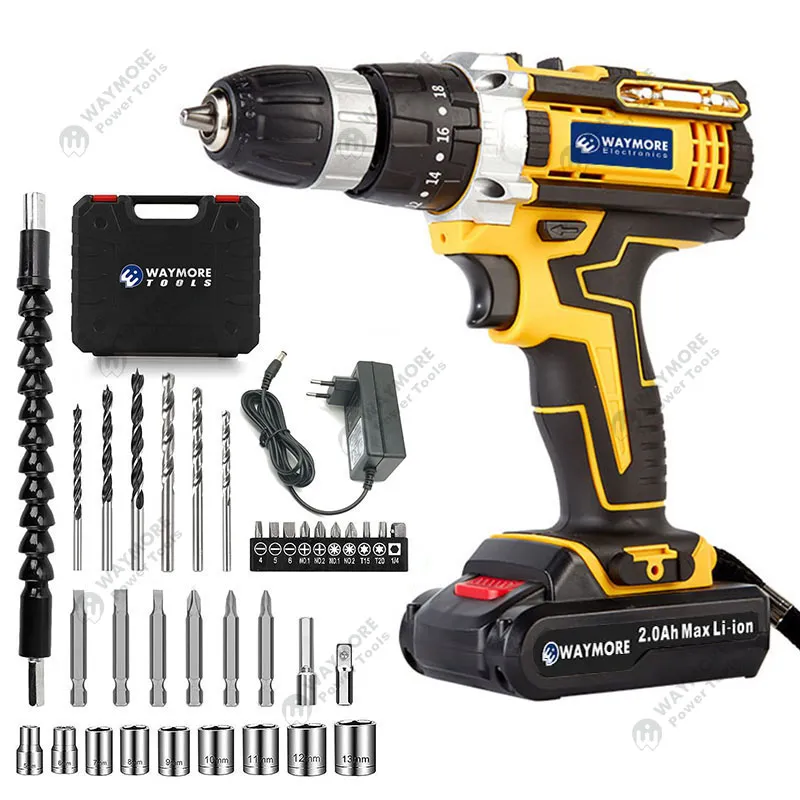
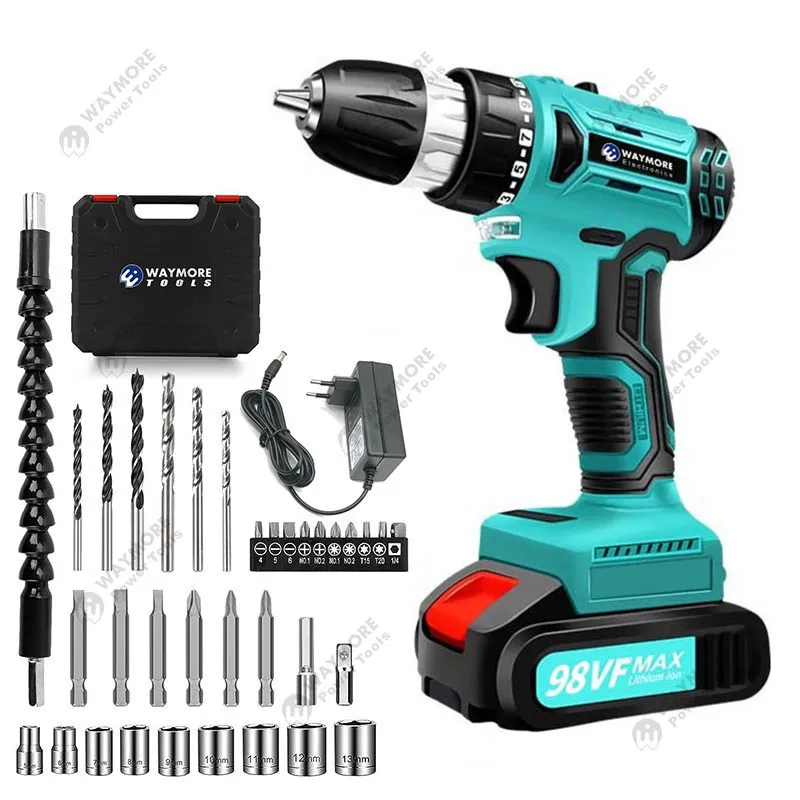
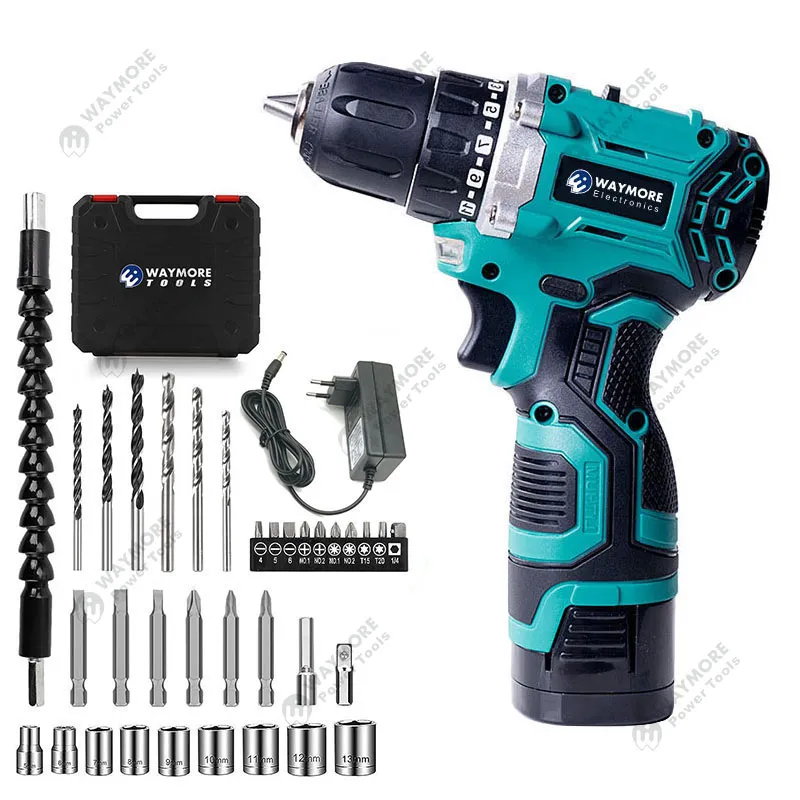
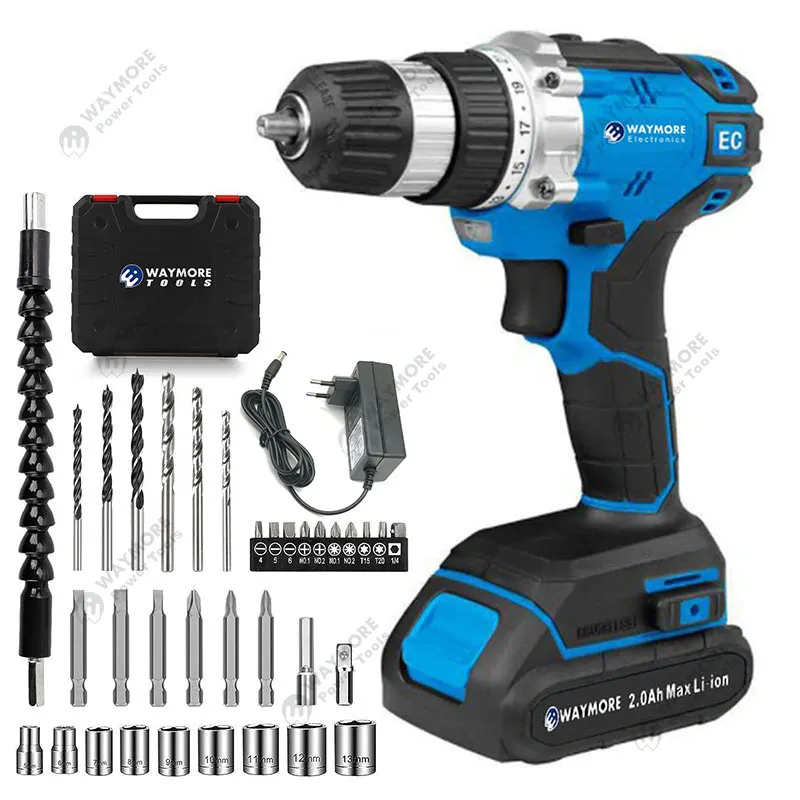
- 🔧 Cordless Drill: A must-have for assembly. Choose one with a half-inch chuck and consider the voltage based on your needs.
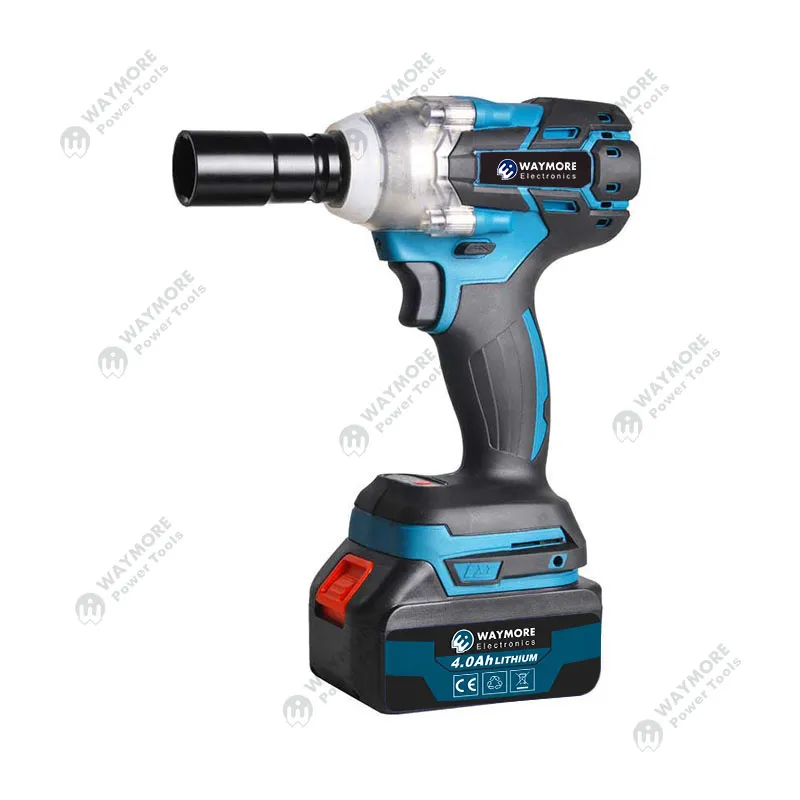
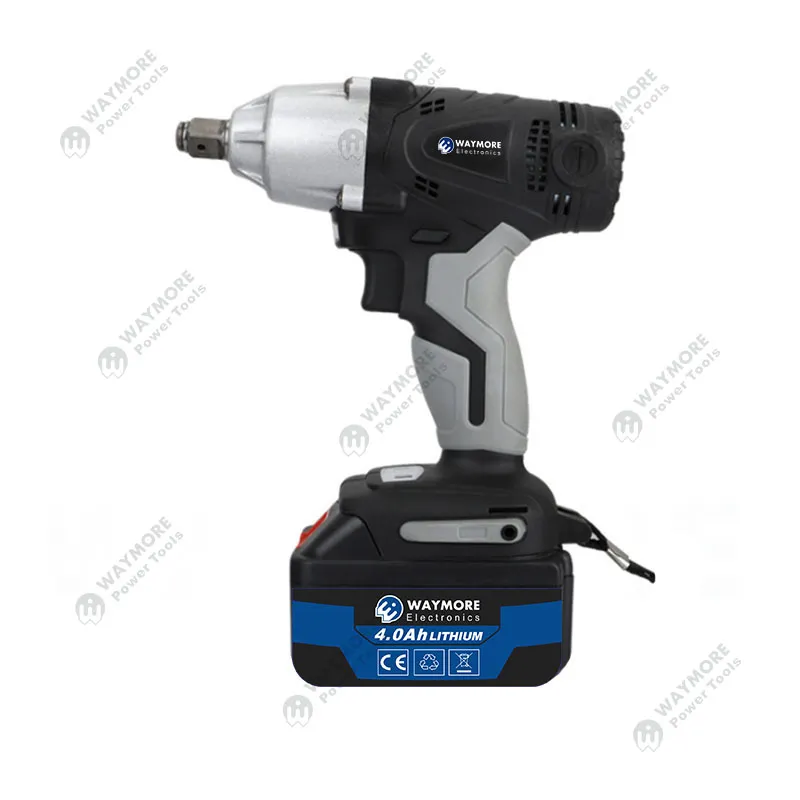
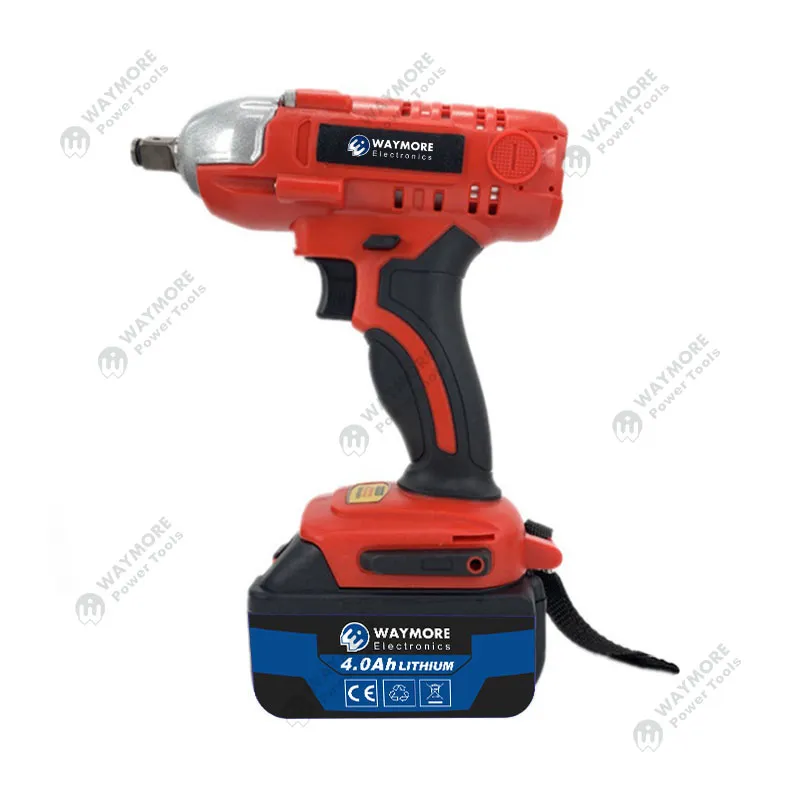
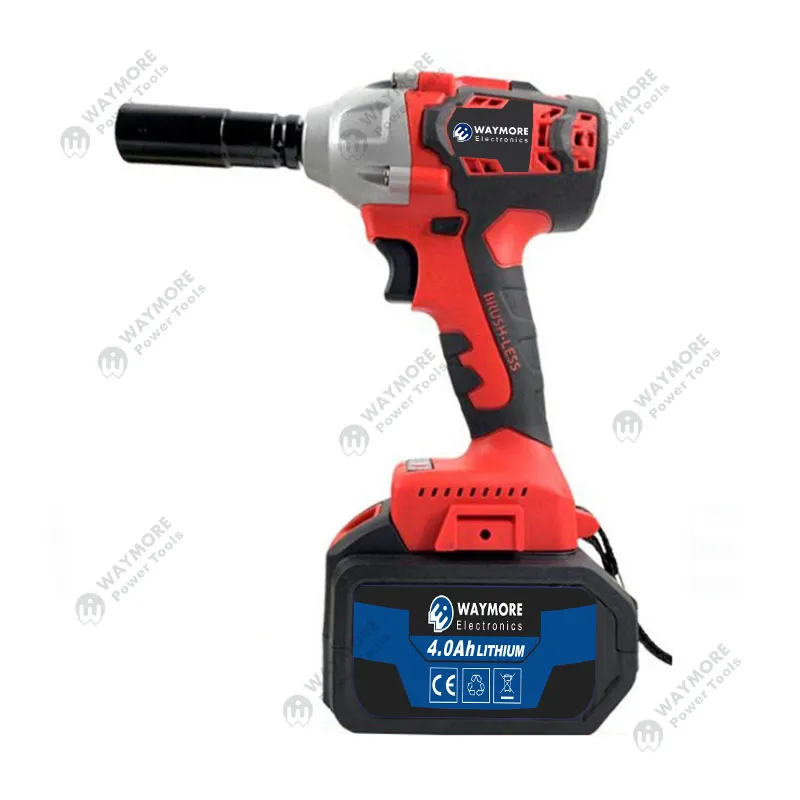
- 🔨 Impact Driver: Not essential but handy for driving screws, often available in combo sets with drills.
- 🪣 Random Orbit Sander: Minimizes sanding marks; choose a model that accepts hook-and-loop sandpaper.
- ⚙️ Jigsaw: Great for curved cuts but can be tricky; look for one that accepts T-shank blades.
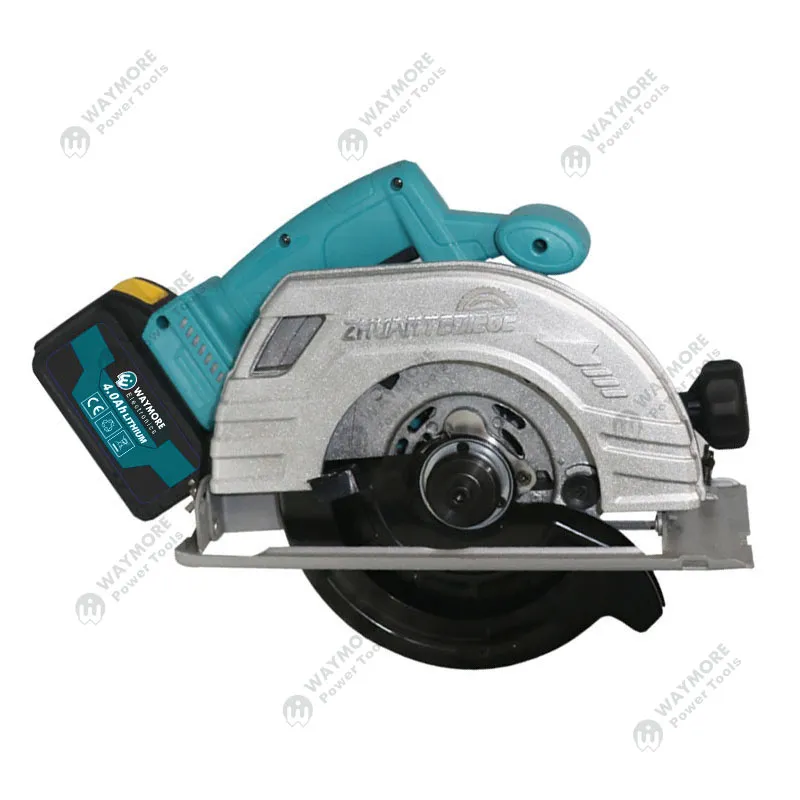
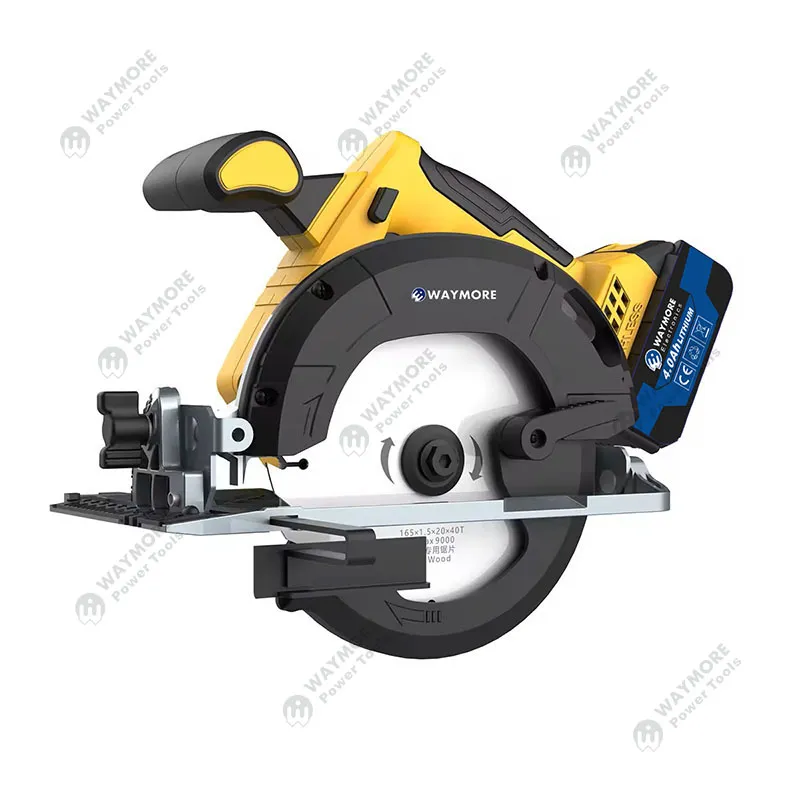
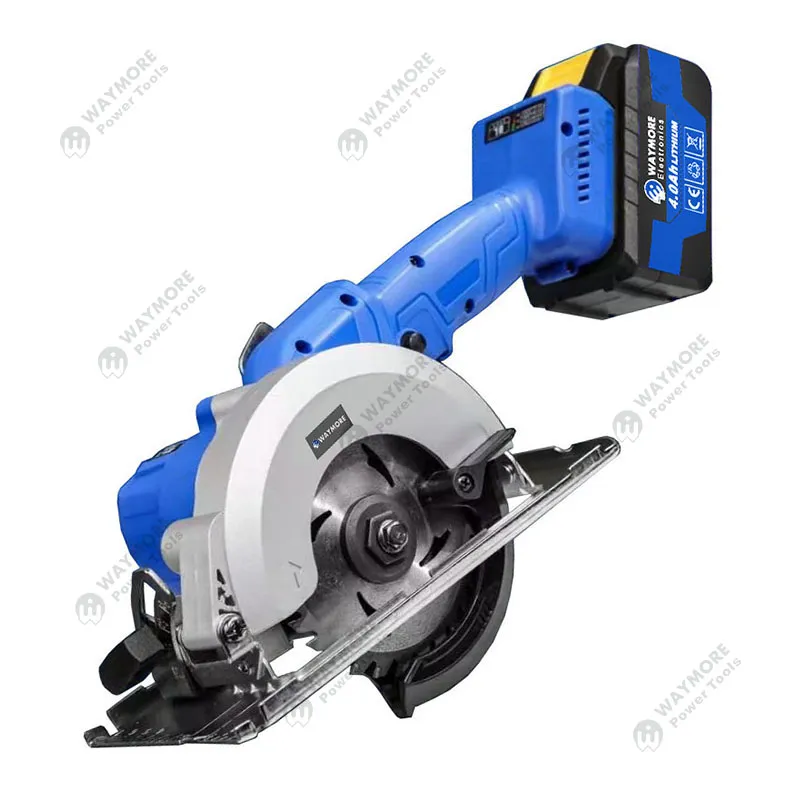
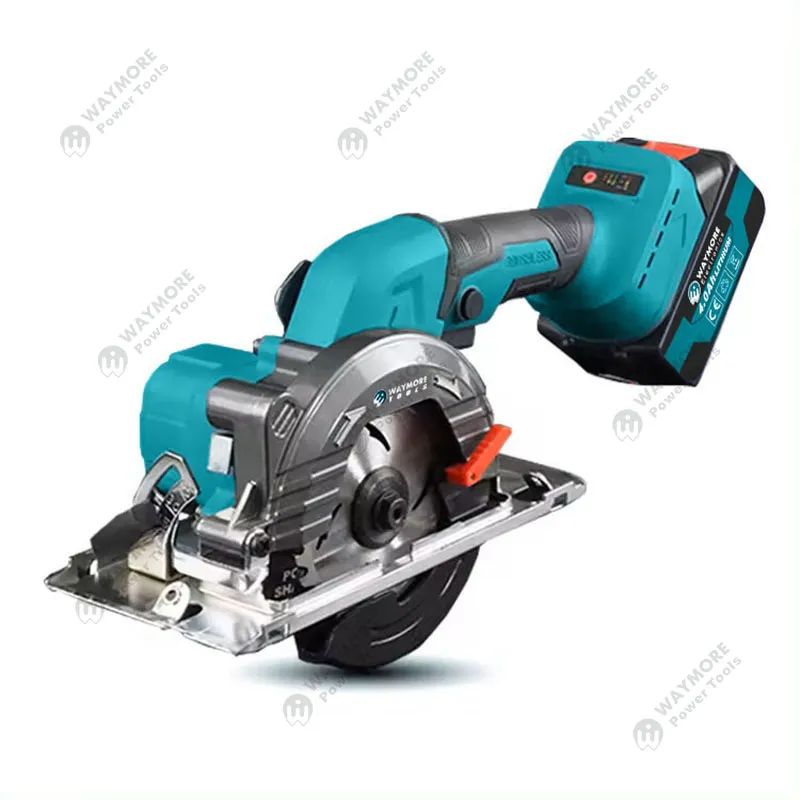
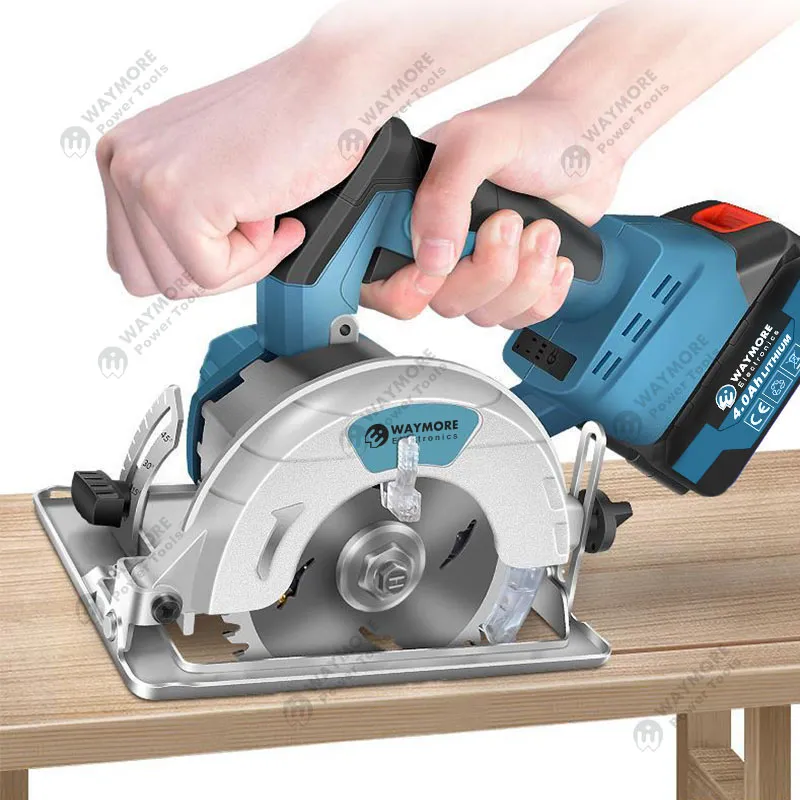
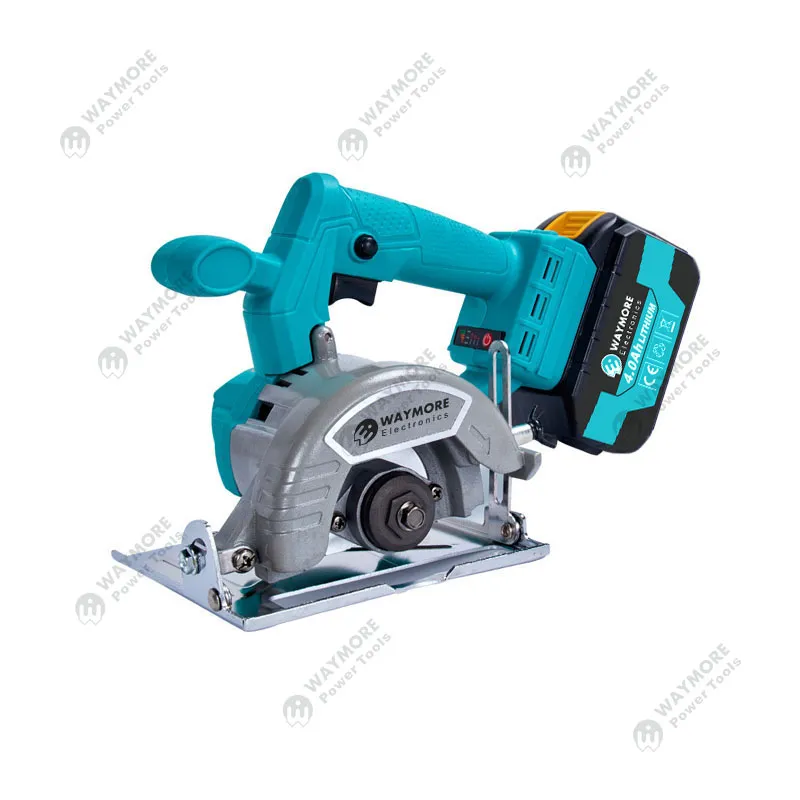
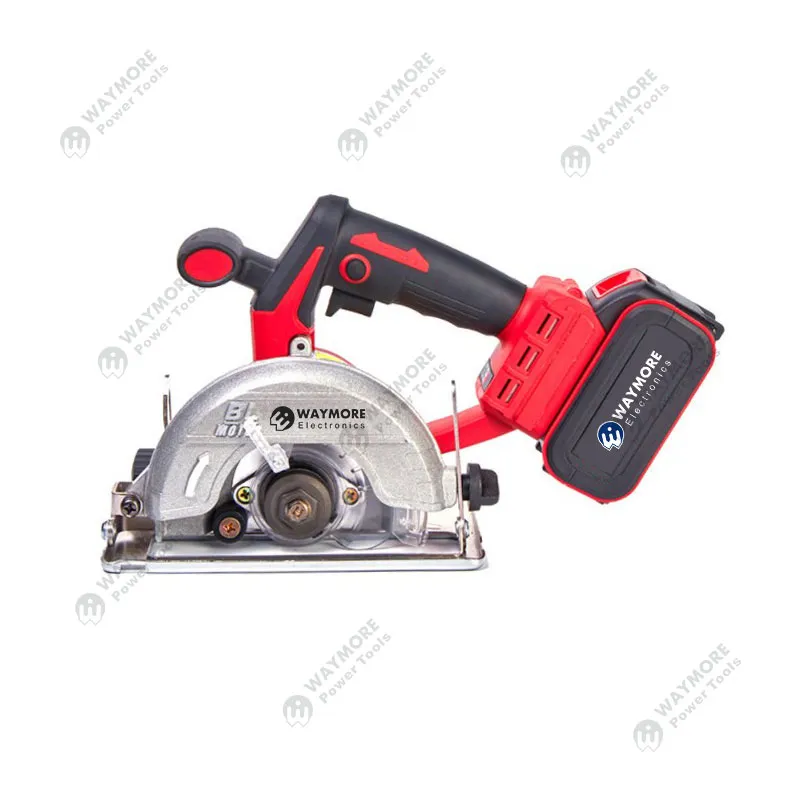
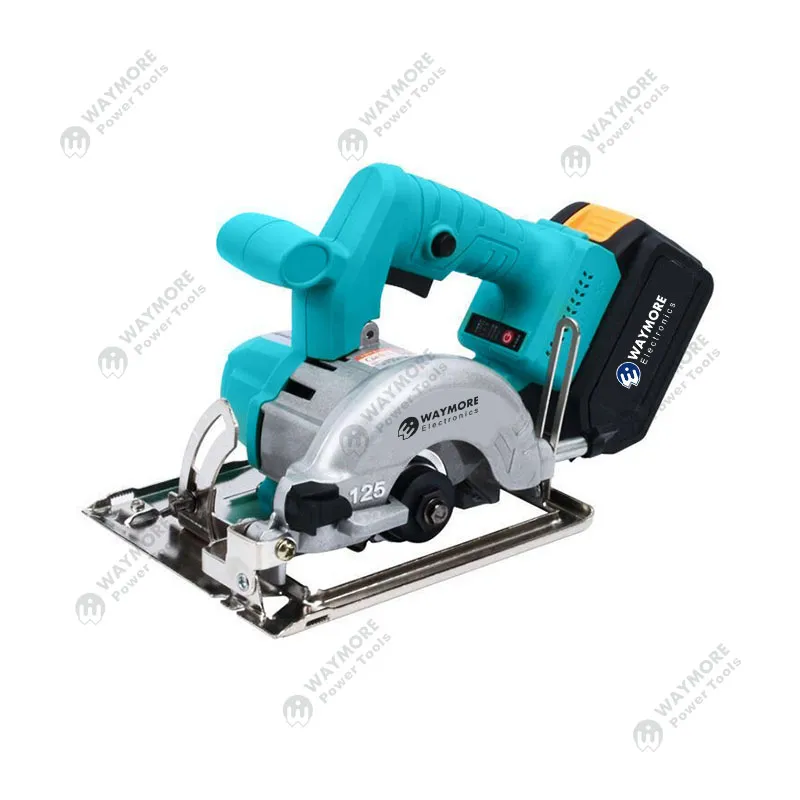
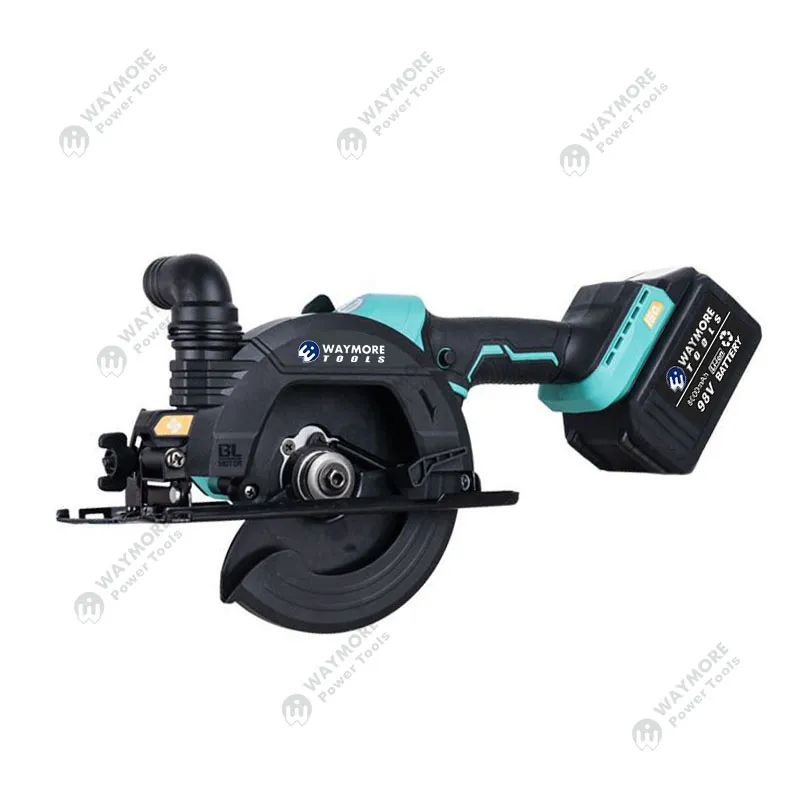
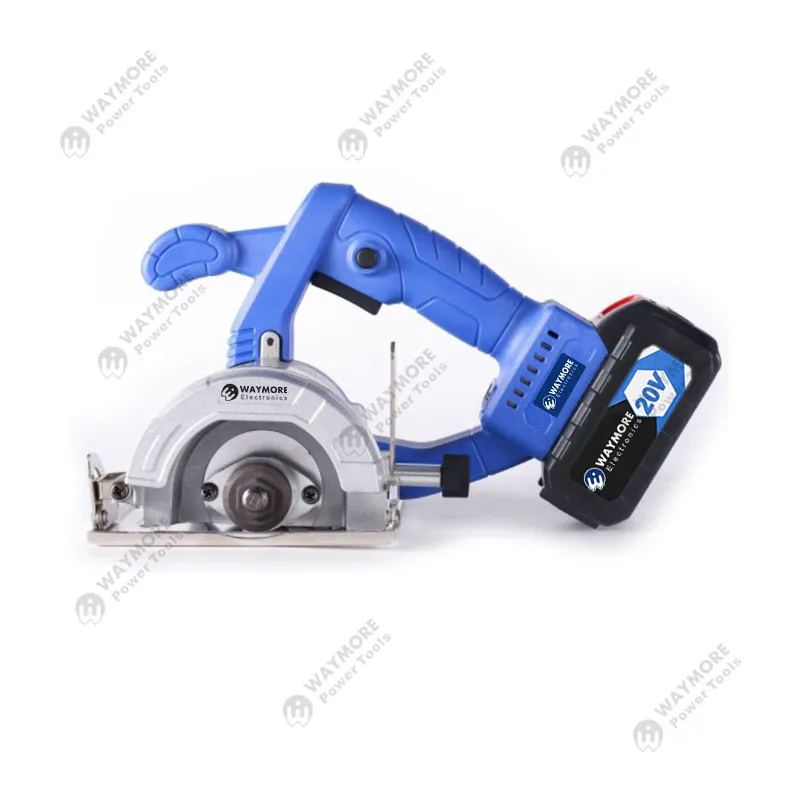
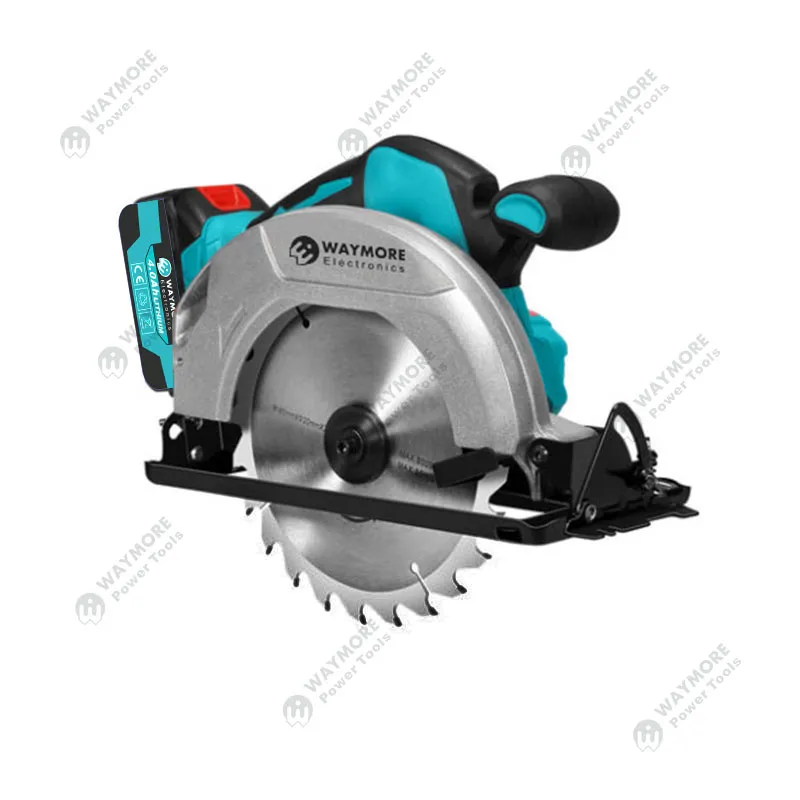
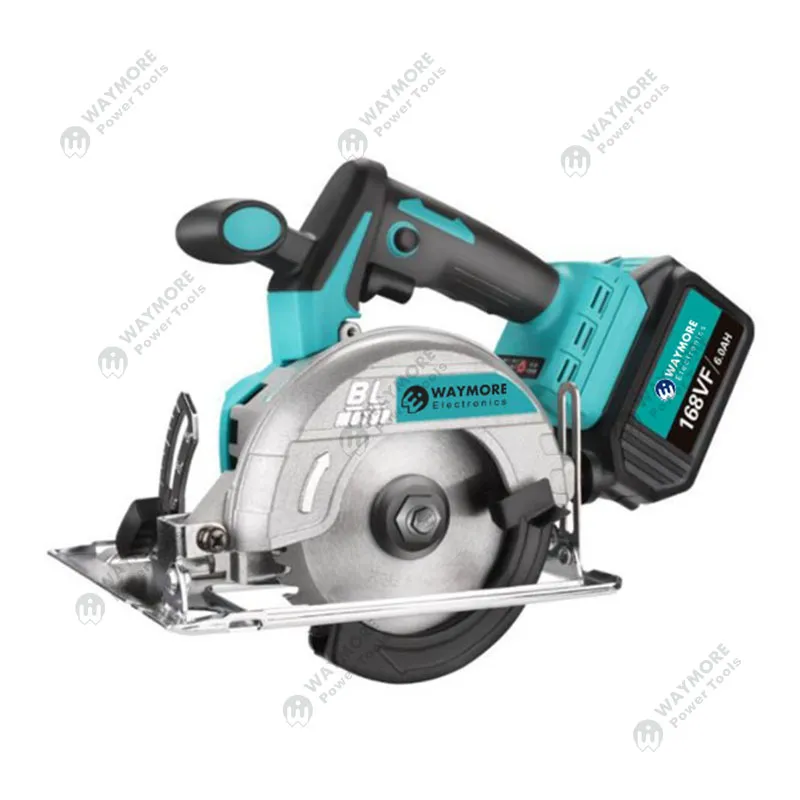
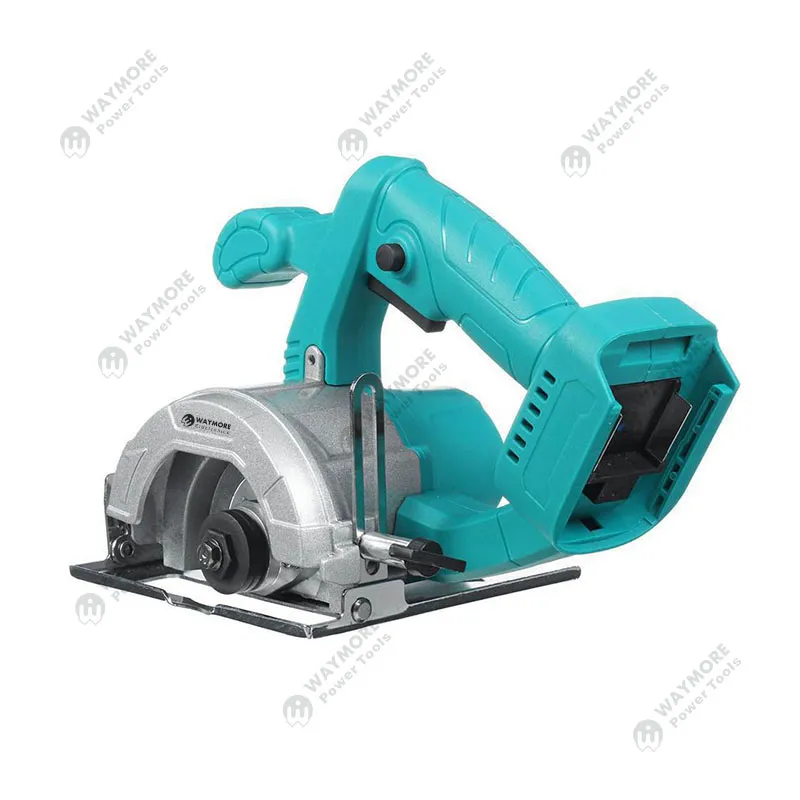
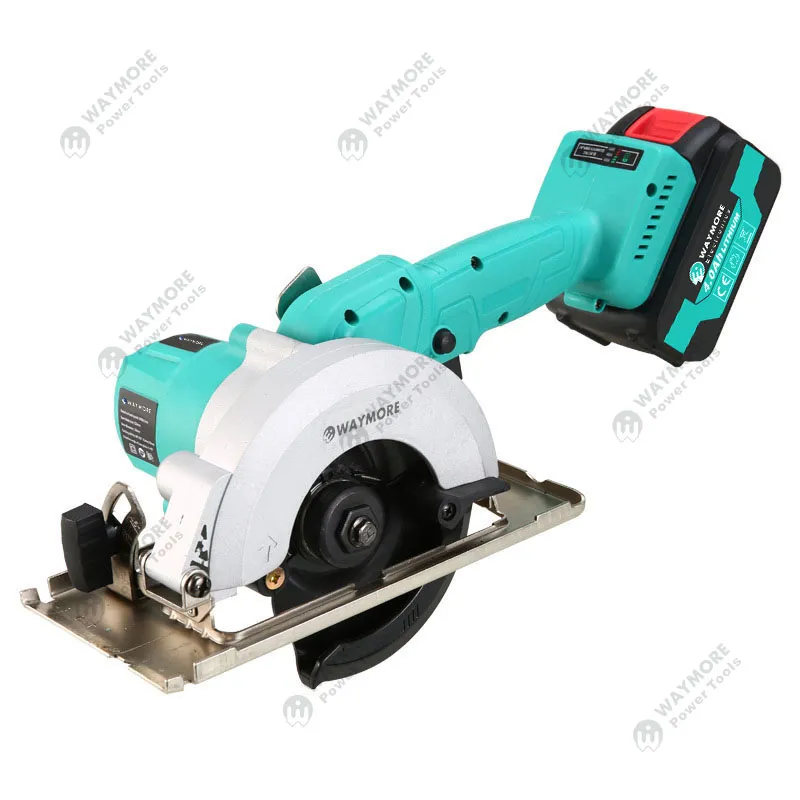
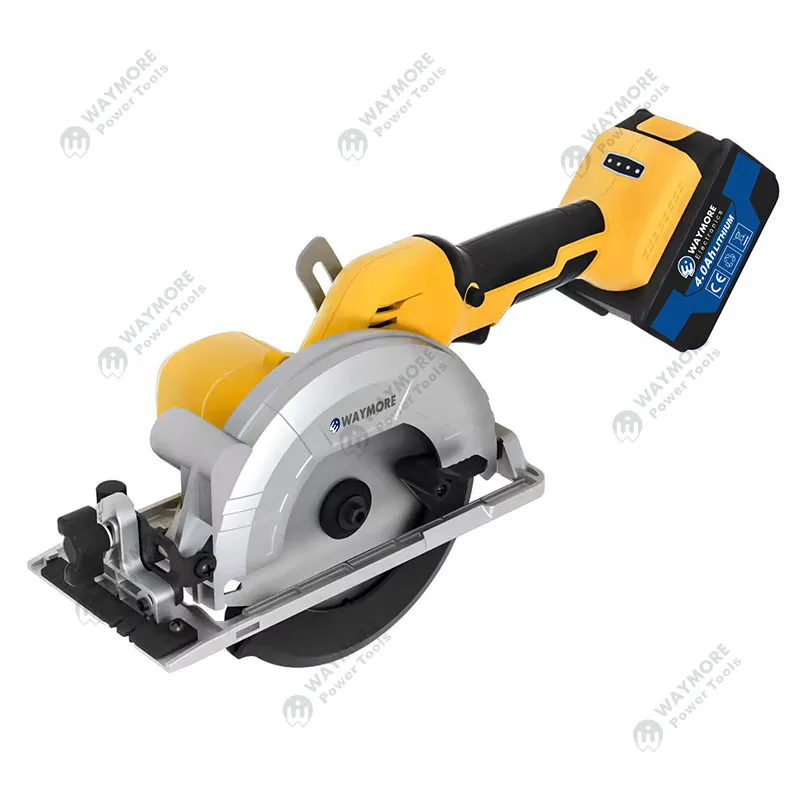
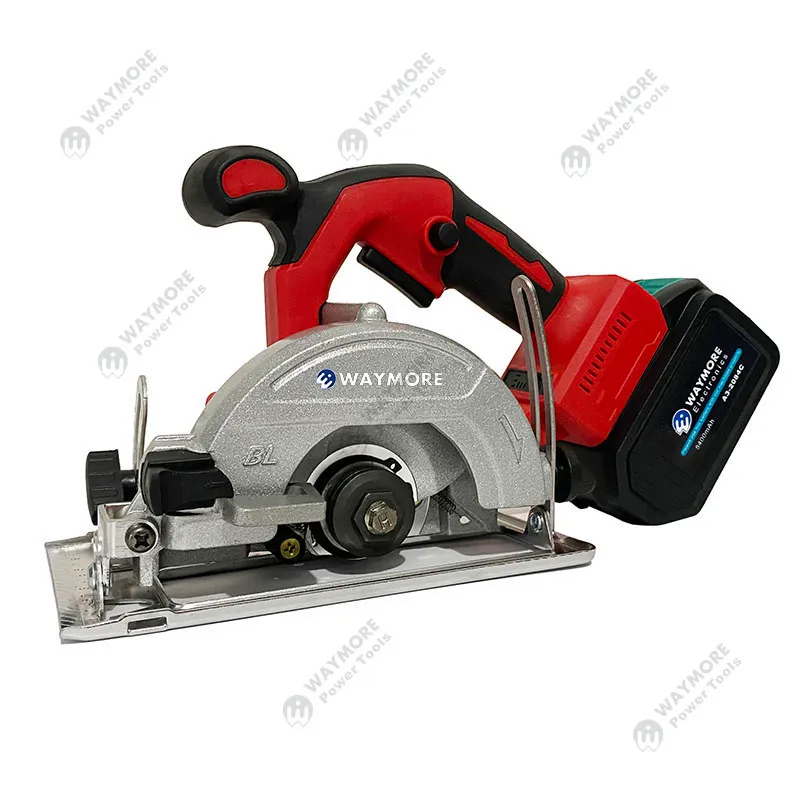
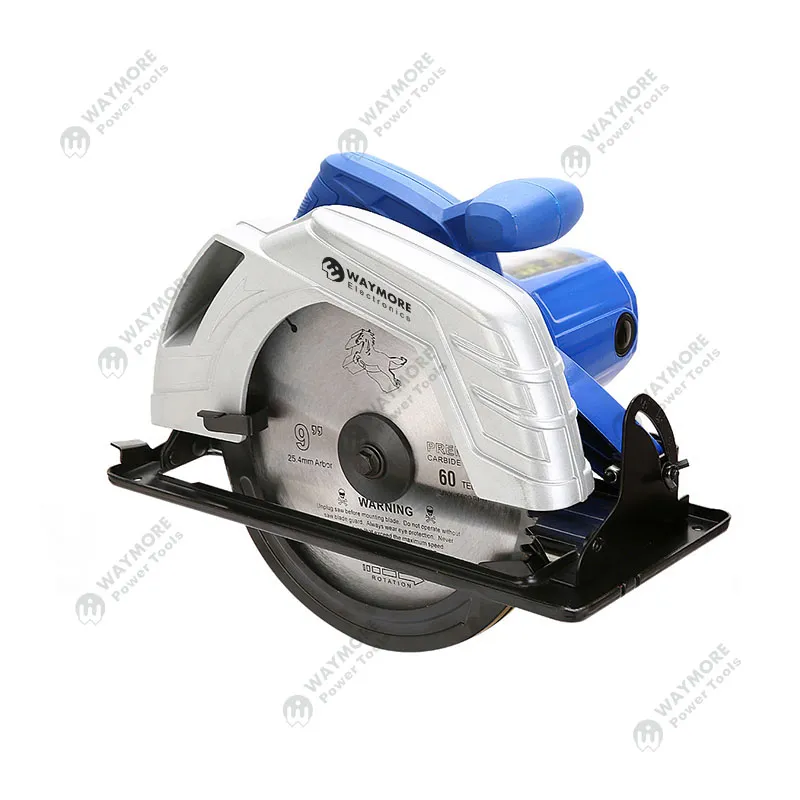
- 🔄 Circular Saw: Versatile and dangerous; essential for dimensioning lumber and making cuts.
- 🛠️ Miter Saw: Offers repeatability for precise cuts; opt for a 12-inch blade for versatility.
- 🏗️ Table Saw: Your most significant investment; essential for various cuts and jigs.
Key Insights
- 🔋 Importance of Voltage in Drills: Selecting the right voltage (12V vs. 18V) impacts performance. Higher voltage is better for heavy-duty tasks, while 12V suffices for lighter projects.
- ⚙️ Cordless vs. Corded Tools: Cordless tools provide convenience and mobility, reducing the hassle of tangled cords, especially during intricate cuts.
- 🛠️ Impact Driver Benefits: An impact driver enhances screw-driving efficiency, particularly in resistance-heavy scenarios, making it valuable for heavy-duty applications.
- 🎨 Sanding Techniques: A random orbit sander’s hook-and-loop feature allows for easy sandpaper changes, which significantly impacts finish quality and efficiency.
- 🔄 Versatility of Jigsaws: Jigsaws are essential for curved cuts and can also cut metal with the right blade, making them versatile despite their quirks.
- ⚖️ Miter Saw Precision: A miter saw offers repeatability and accuracy for angled cuts, making it a crucial tool for framework and trim work.
- 💰 Investing in a Table Saw: A table saw is the backbone of many woodworking projects, enabling various cuts and jigs, thus considered the most significant investment in a shop.
Table of Contents
- 1. Cordless Drill
- 2. Impact Driver
- 3. Random Orbit Sander
- 4. Jigsaw
- 5. Circular Saw
- 6. Miter Saw
- 7. Table Saw
- 8. Router
1. Cordless Drill
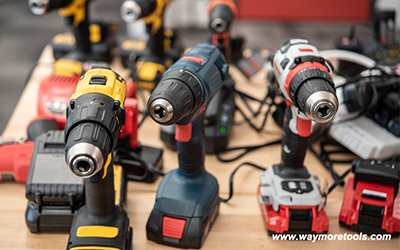
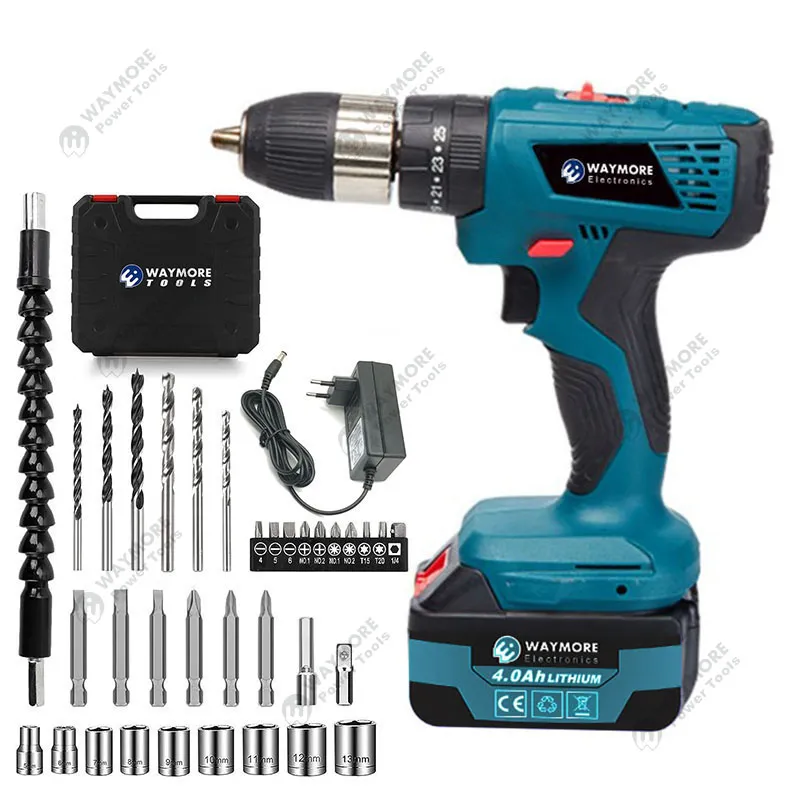
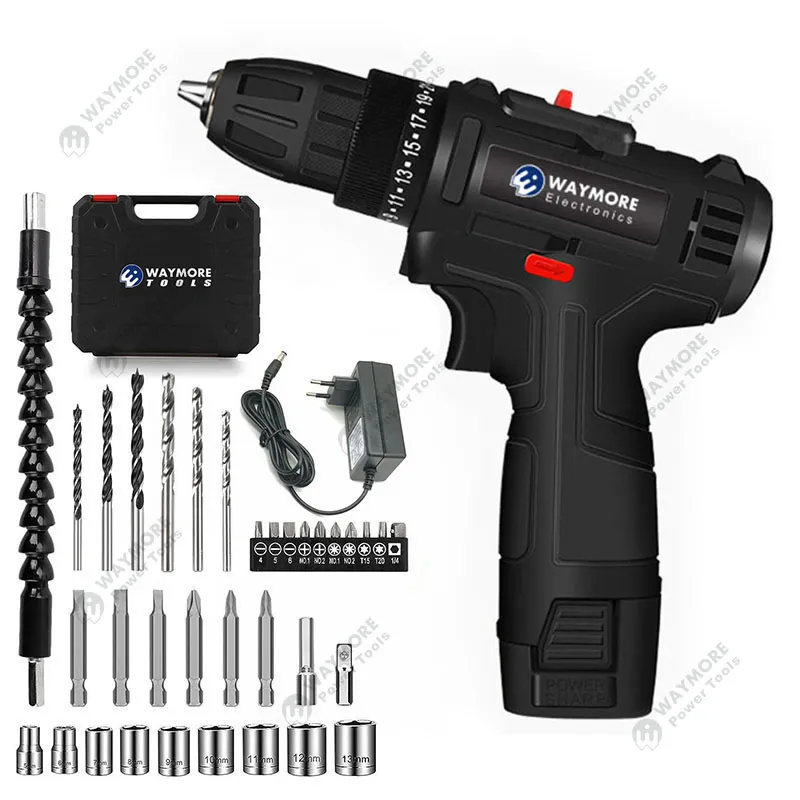
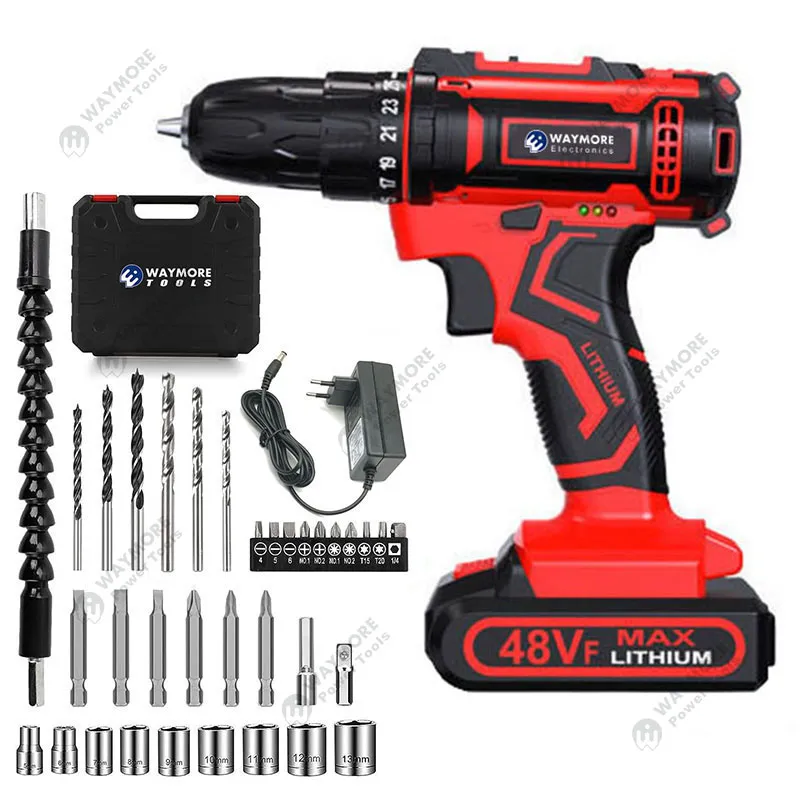
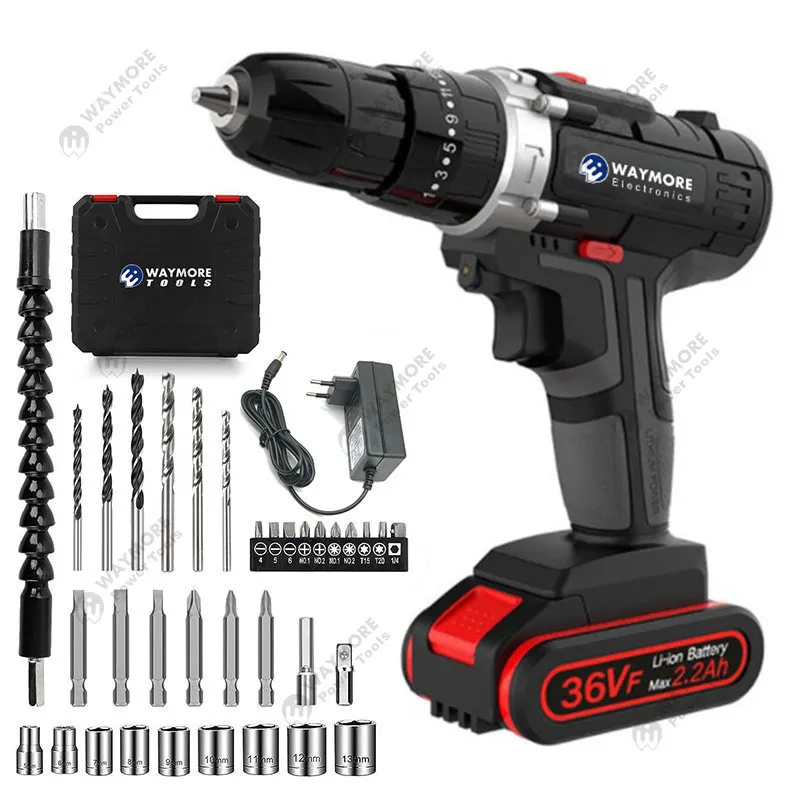
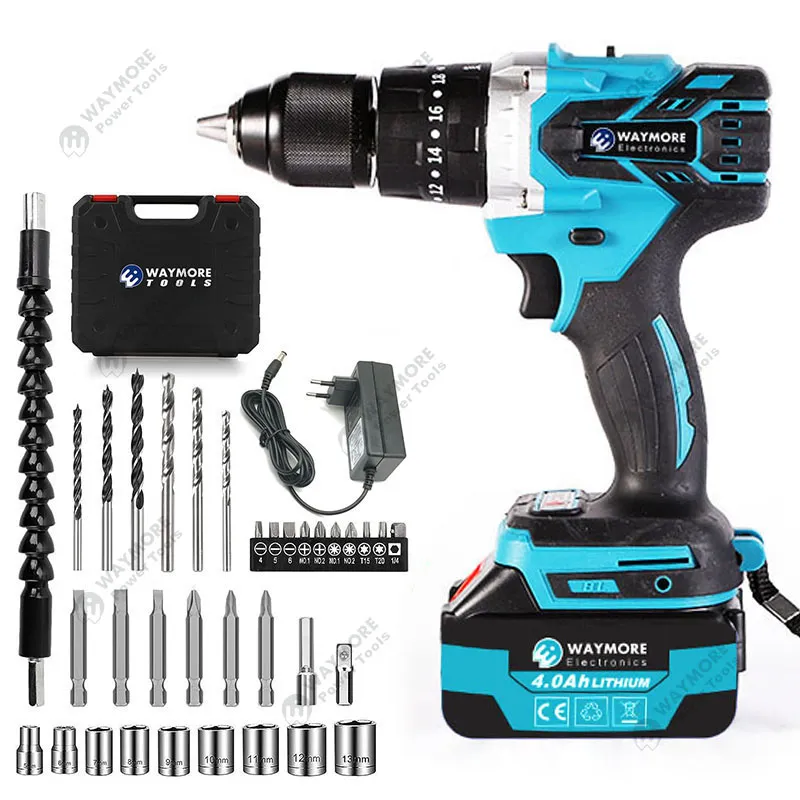
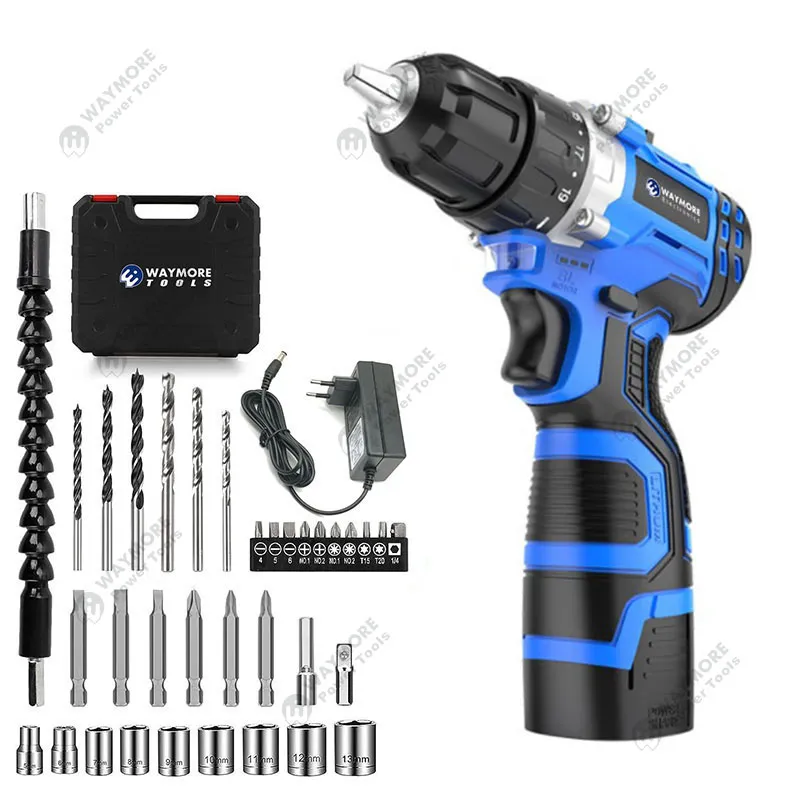
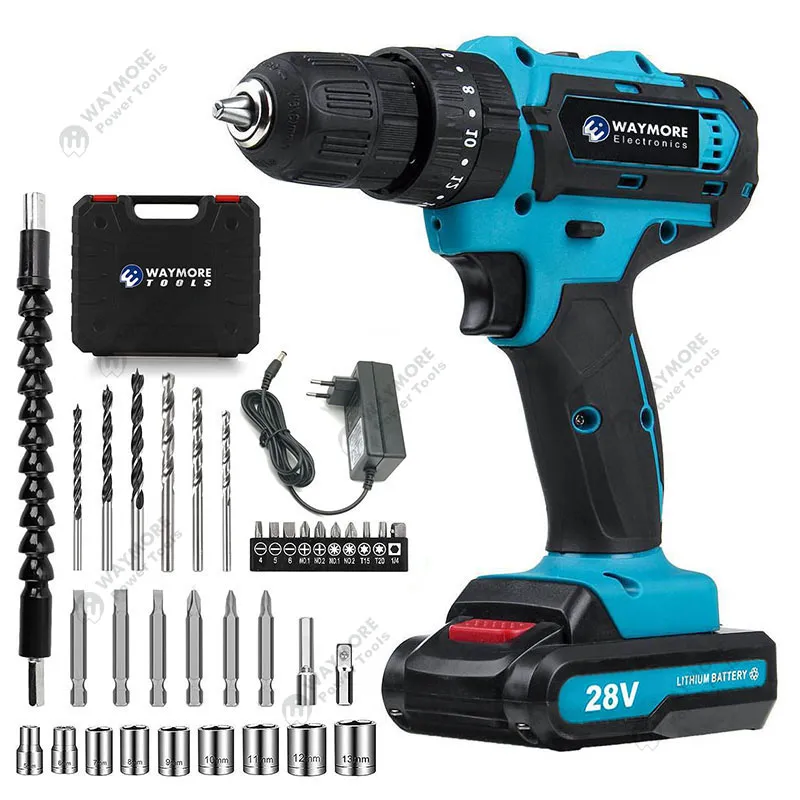
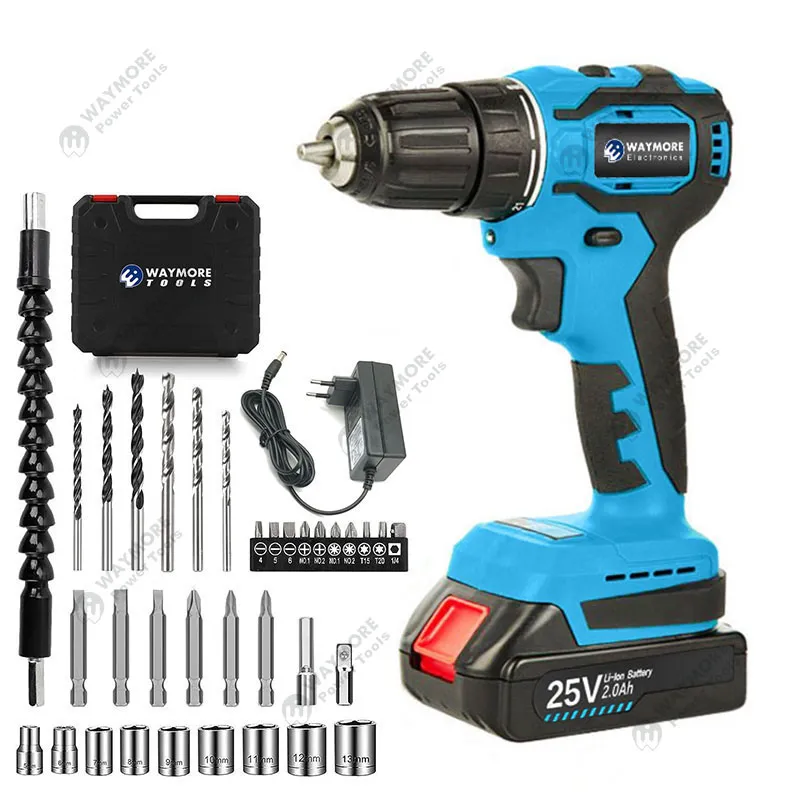
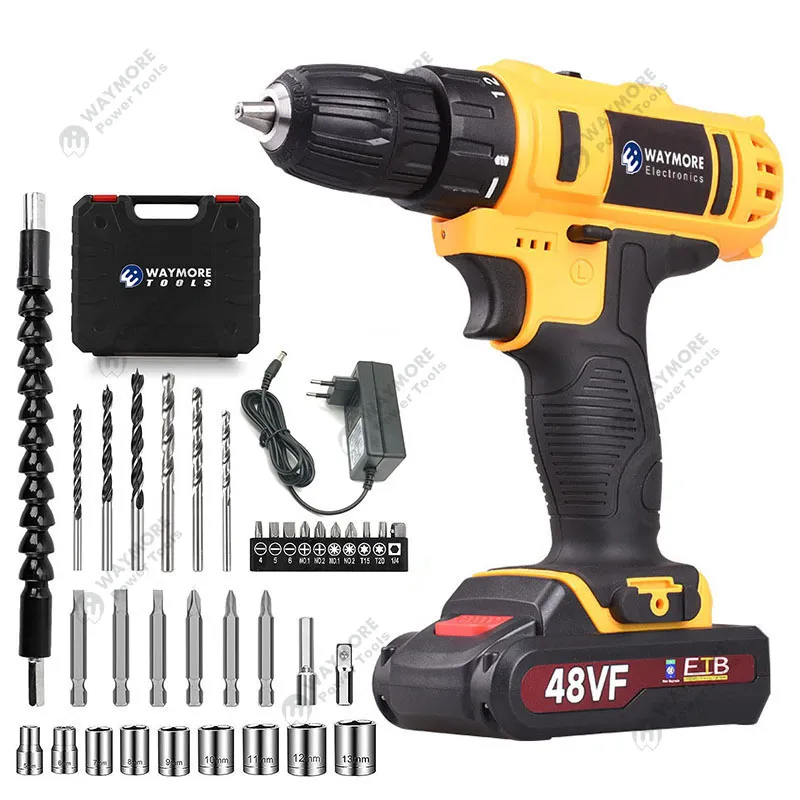
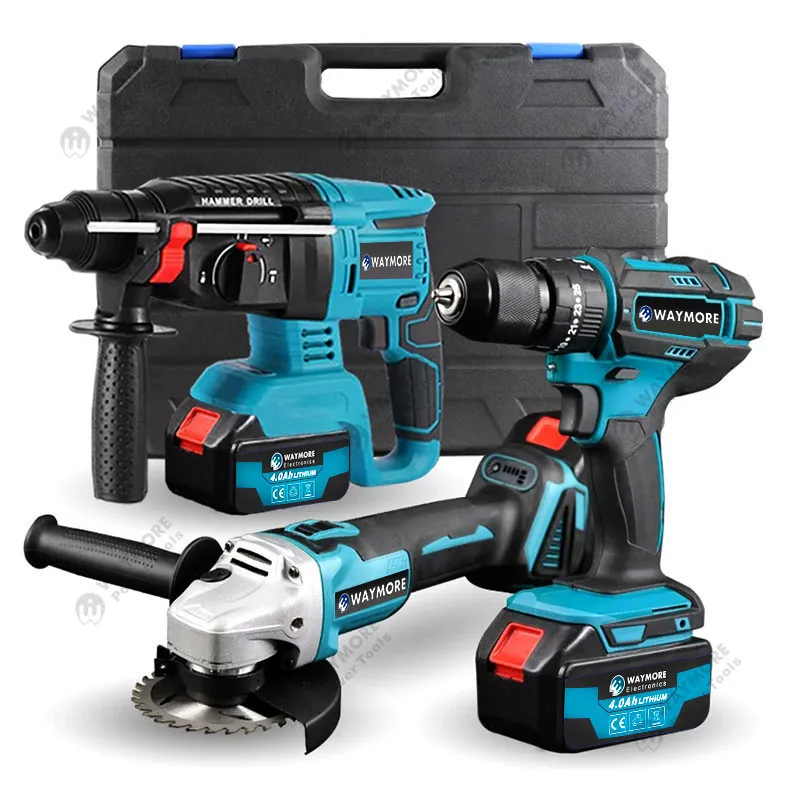
If you’re planning to take on DIY or woodworking projects, the first tool you need is a cordless drill. You’ll use it more than any other tool in your arsenal. Choose a model with a half-inch chuck to avoid limitations with bit sizes. When it comes to voltage, 12V is great for smaller tasks, while 18V is better for heavier work. For example, if you’re drilling into concrete, the extra power will come in handy.
2. Impact Driver
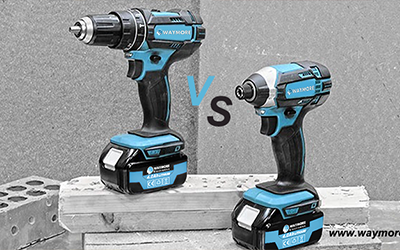
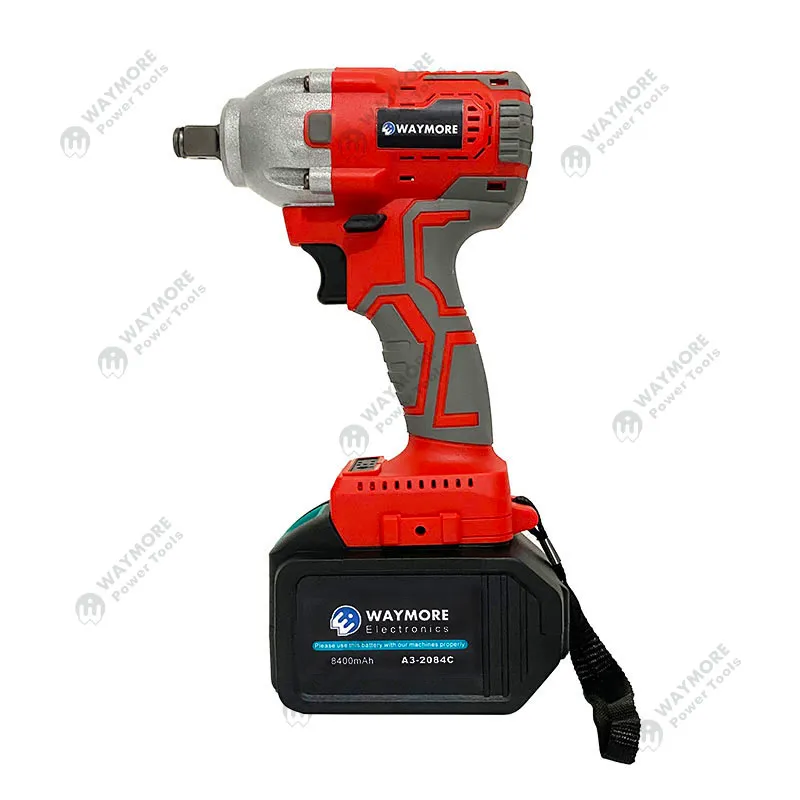
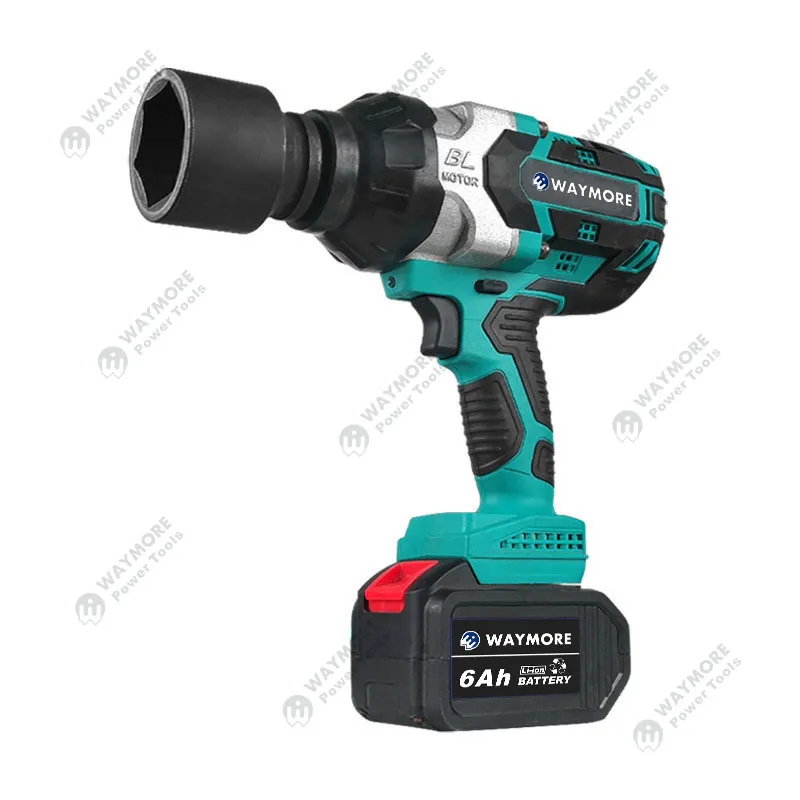
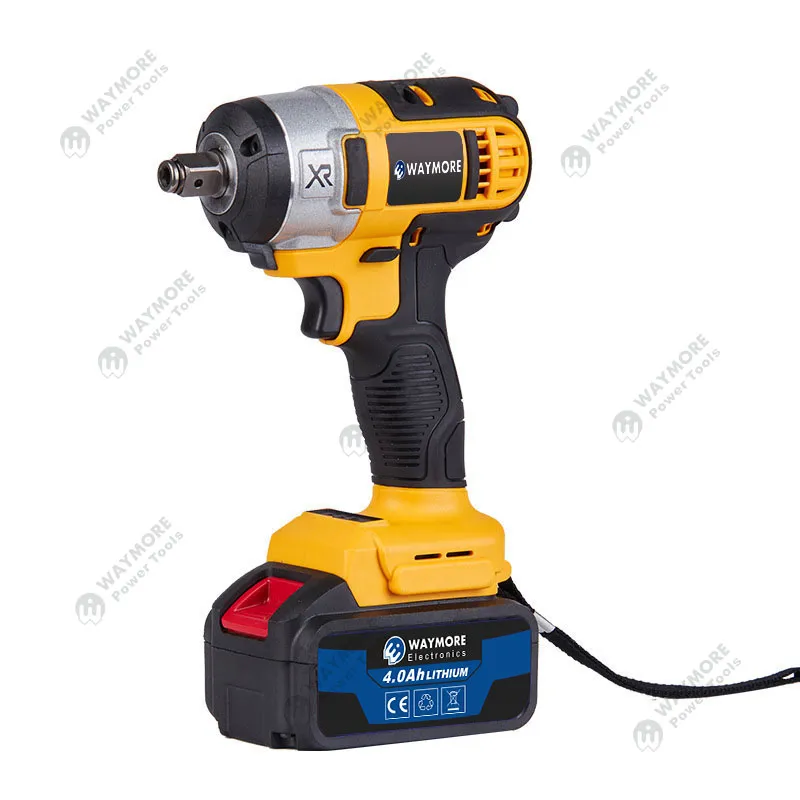
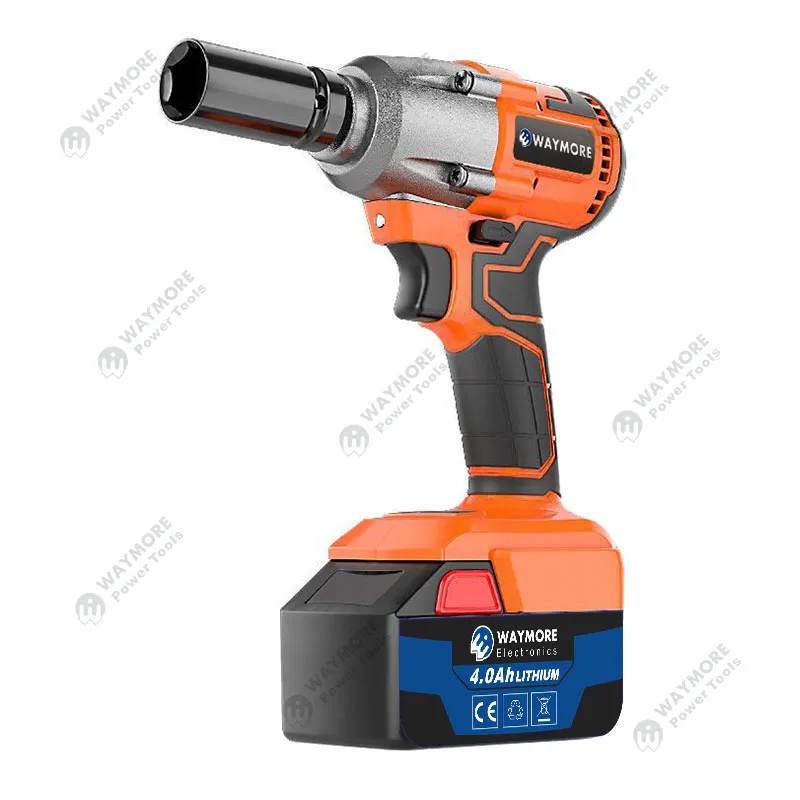
Though not essential, an impact driver can make driving screws much easier, especially when dealing with resistant materials. It often comes as a combo with a drill, saving you money in the long run. The impact driver’s hammer and anvil mechanism deliver extra power right when a drill starts to struggle.
3. Random Orbit Sander
Minimize sanding marks and achieve a smoother finish with a random orbit sander. Opt for a model that accepts hook-and-loop sandpaper for quicker changes. A vacuum attachment or a dust bag can help keep your workspace cleaner.
4. Jigsaw
Jigsaws are perfect for curved cuts and other intricate shapes, though they can be finicky to use. Look for a jigsaw that accepts T-shank blades for easier blade changes. A cordless jigsaw provides extra mobility, preventing the cord from getting in the way during complex cuts.
5. Circular Saw
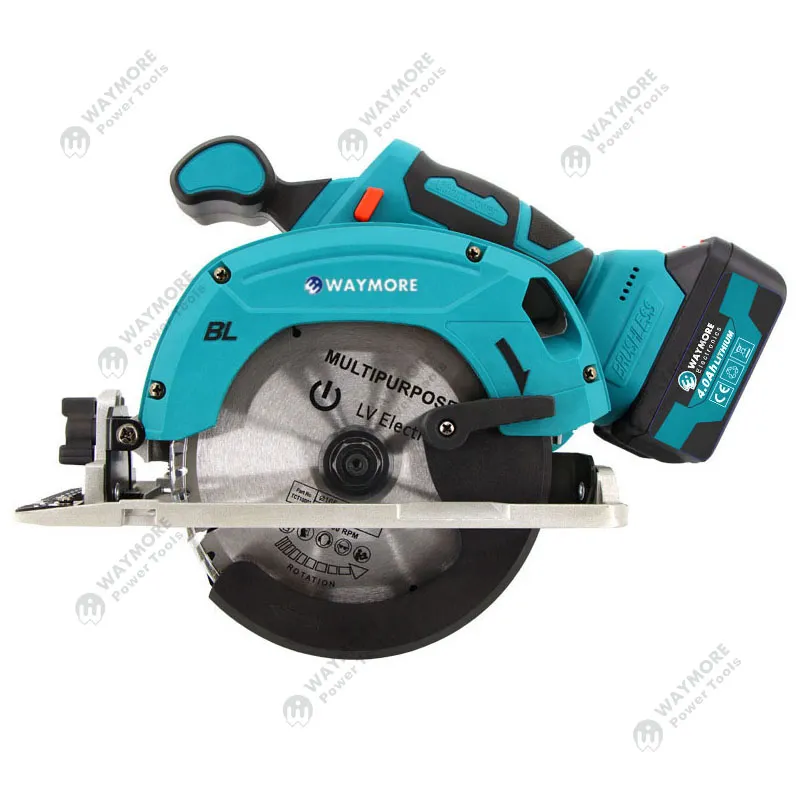
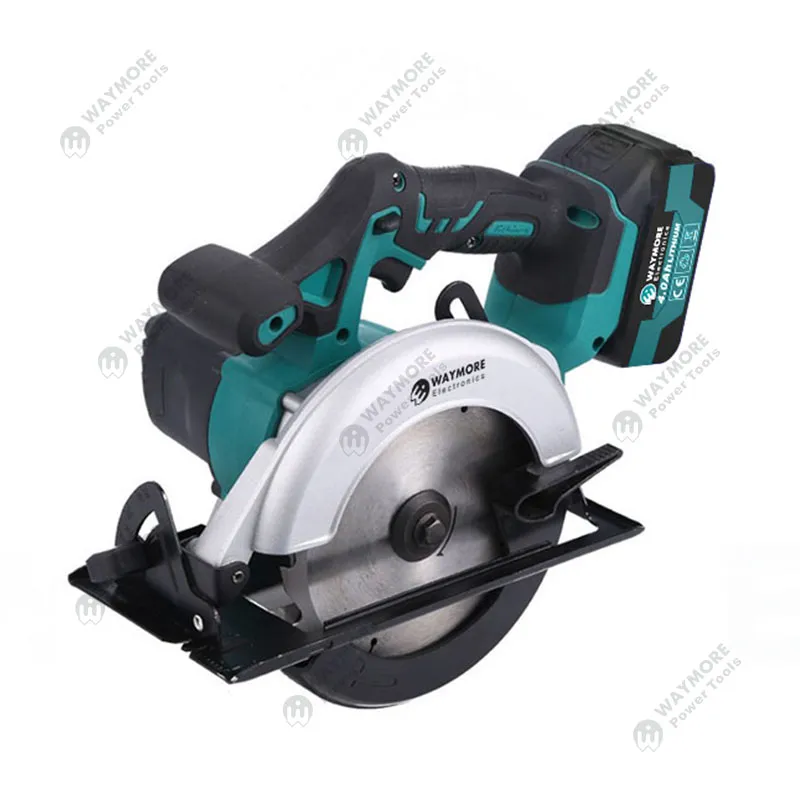
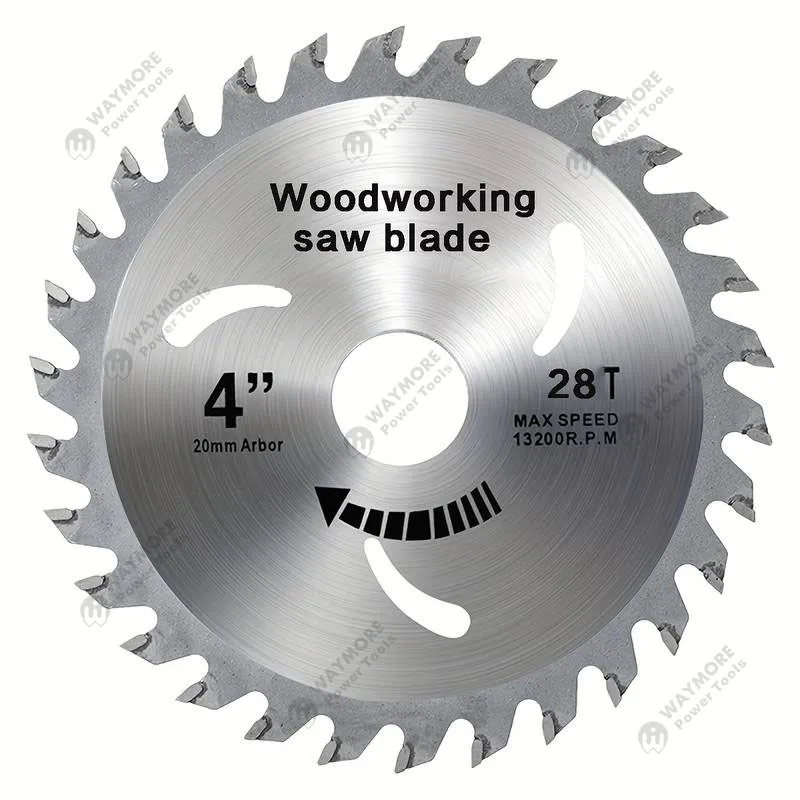
A circular saw is a versatile but potentially dangerous tool. It’s perfect for dimensioning lumber and cutting large pieces. When using a circular saw, always pay attention to safety and hand placement. Corded models work well, but a cordless version offers added mobility for moving around larger materials.
6. Miter Saw
A miter saw is crucial for making accurate angled cuts. For versatility, go for a 12-inch blade and consider a sliding compound model, which allows for a wider range of cuts. The repeatability and precision of a miter saw make it perfect for trim work and framework.
7. Table Saw
The table saw is the heart of any serious woodworking setup. A job site table saw is a great starting point, but if space and budget allow, a cabinet saw offers even more power and capacity. Table saws also work with various jigs to expand their functionality.
8. Router
Routers, especially trim routers, are highly versatile and can handle detailed edge work, such as roundovers and chamfers. If possible, opt for a cordless trim router to avoid issues with the cord snagging during intricate tasks. Router bits can be swapped to suit different jobs, giving you flexibility in your projects.
As our company continues to participate in this grand event, we remain committed to offering the best power tools and machinery solutions to meet the needs of our global partners. Whether you are a wholesaler, importer, or distributor, we are ready to collaborate and support your business growth.
If you are interested in our Power Tools, welcome to contact with us, and we are here to offer you best service and great products, thank you!
Contact: Daniel
Email: daniel@waymoretools.com
Website: www.waymoretools.com