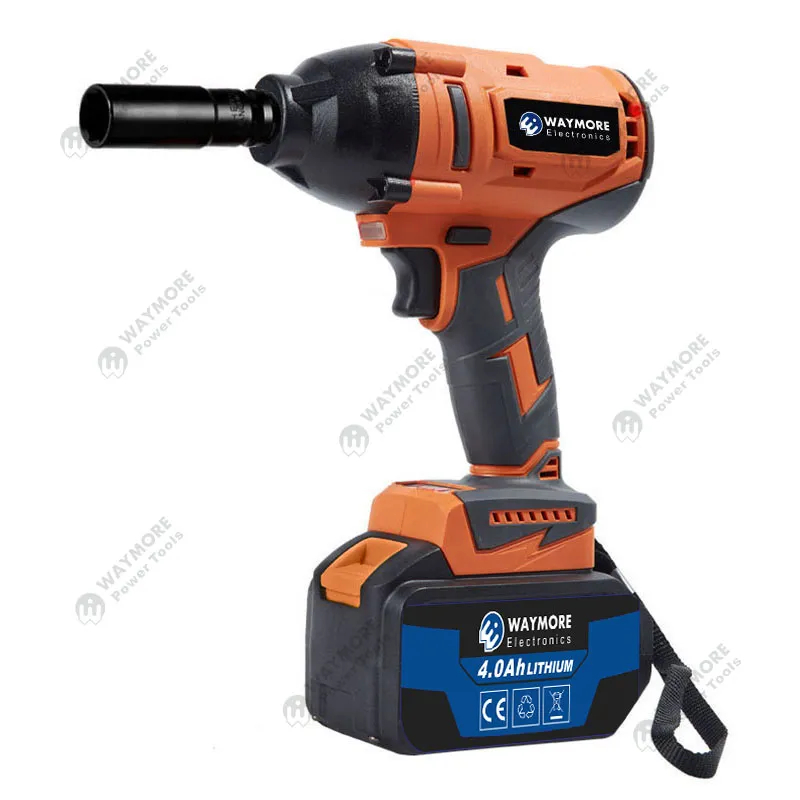
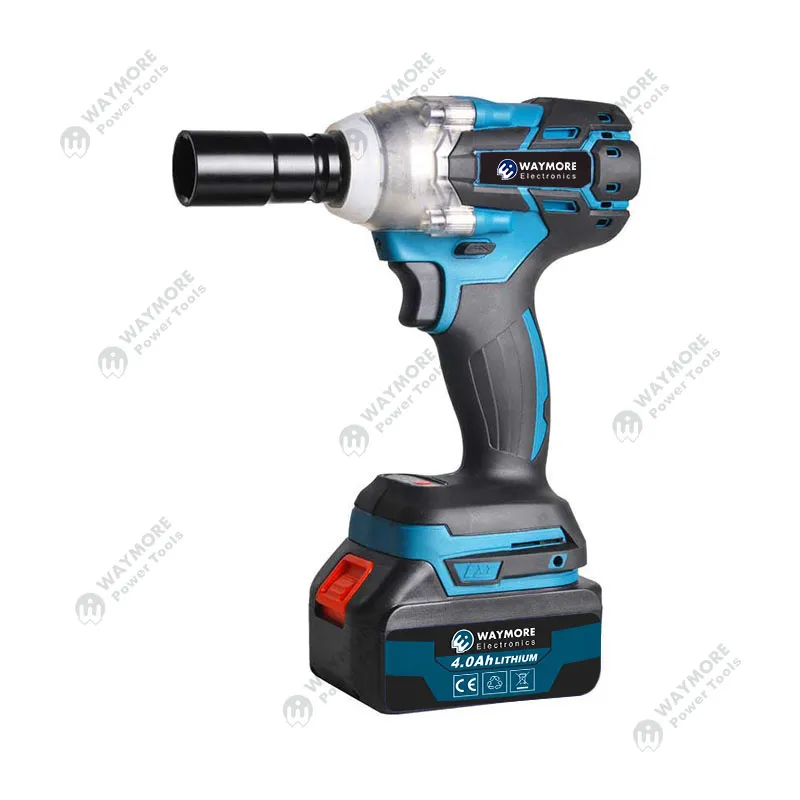
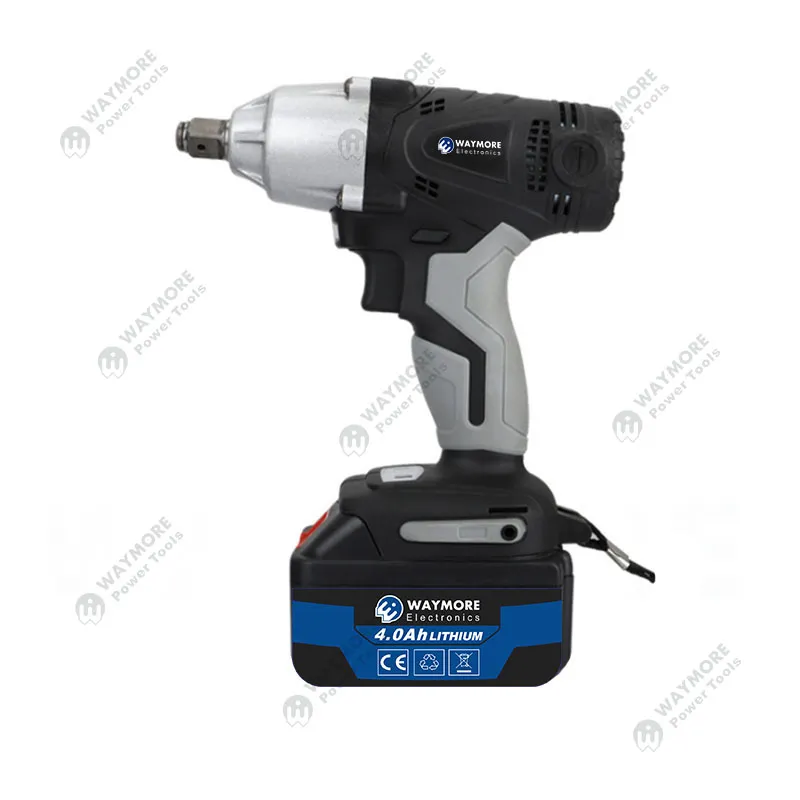
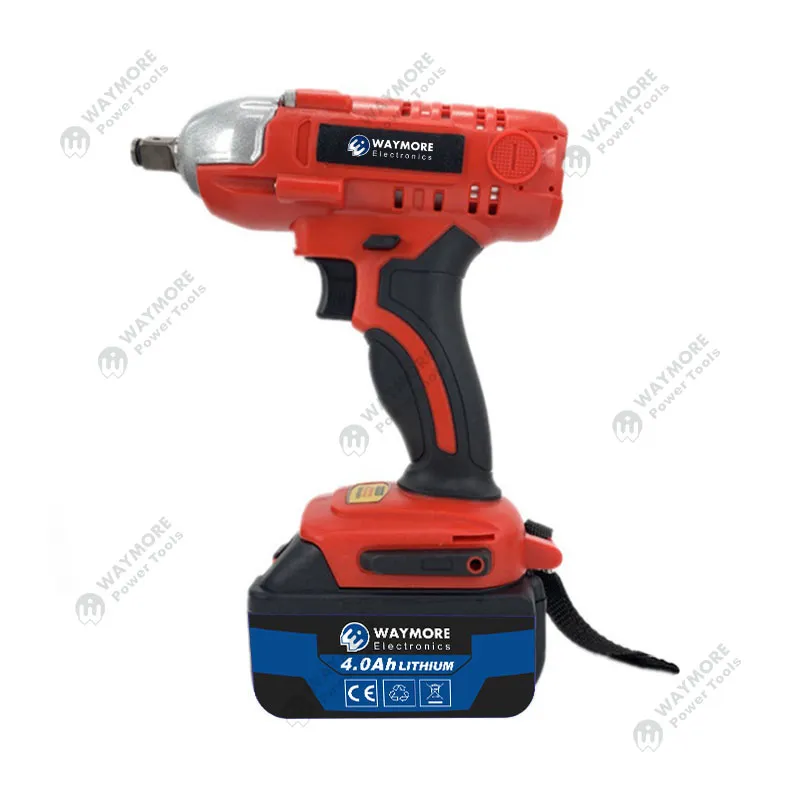
Waymore Tools
Today's Insights: What's the Difference Between a $19 and a $109 Power Drill? | Waymore Tools
Table of Contents
- Overview
- Size Comparison
- Speed Performance
- Torque Test
- Battery Comparison
- Motor and Gearbox Analysis
- Long-Term Costs
- Conclusion: Which One to Choose?
Overview
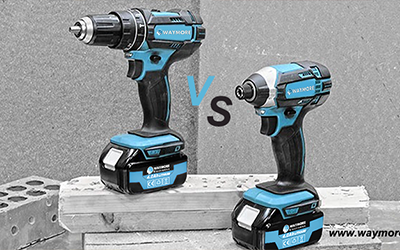
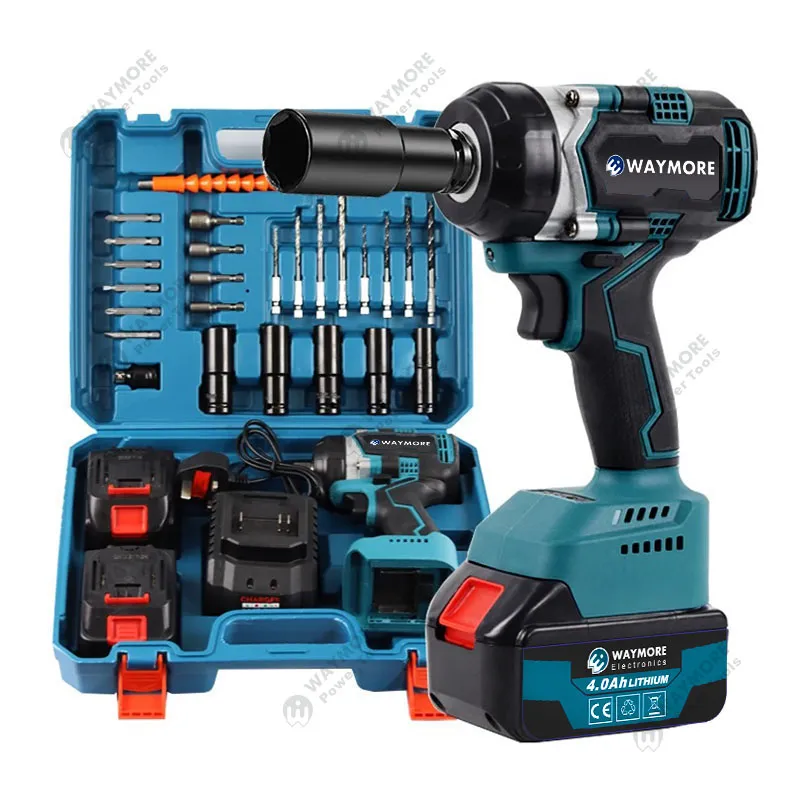
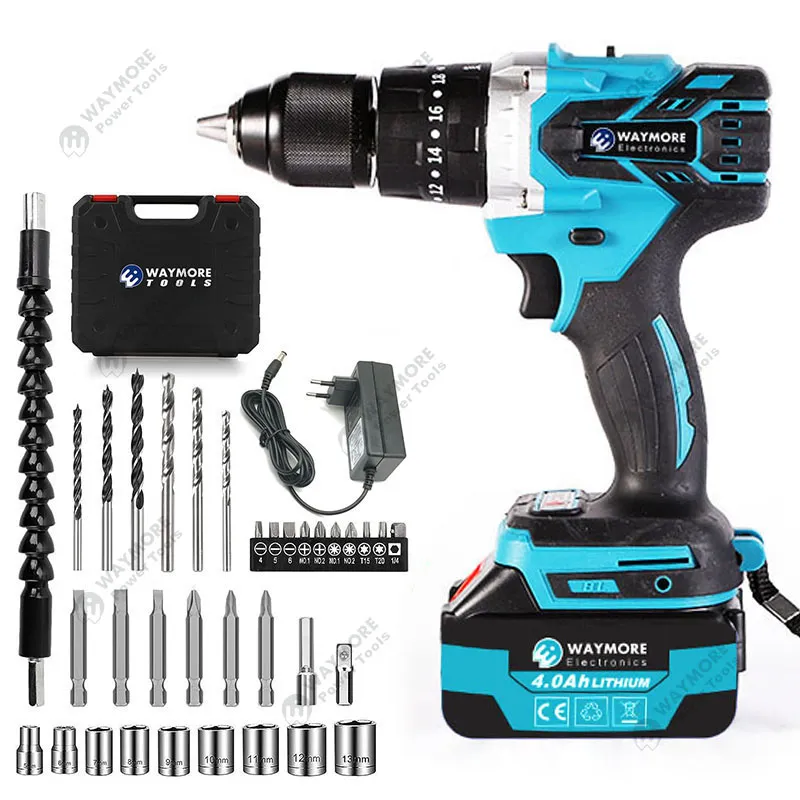
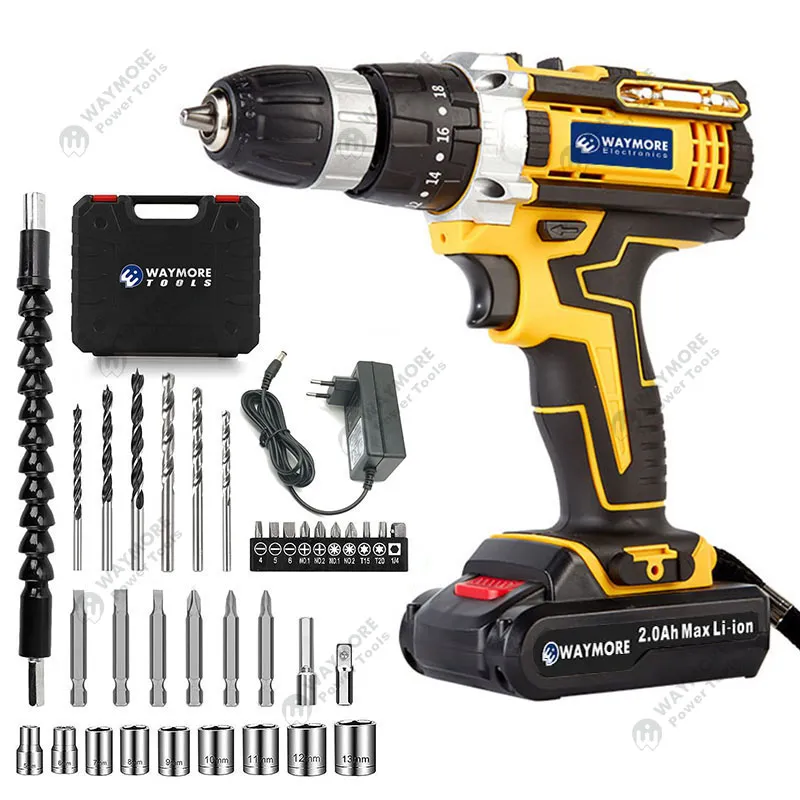
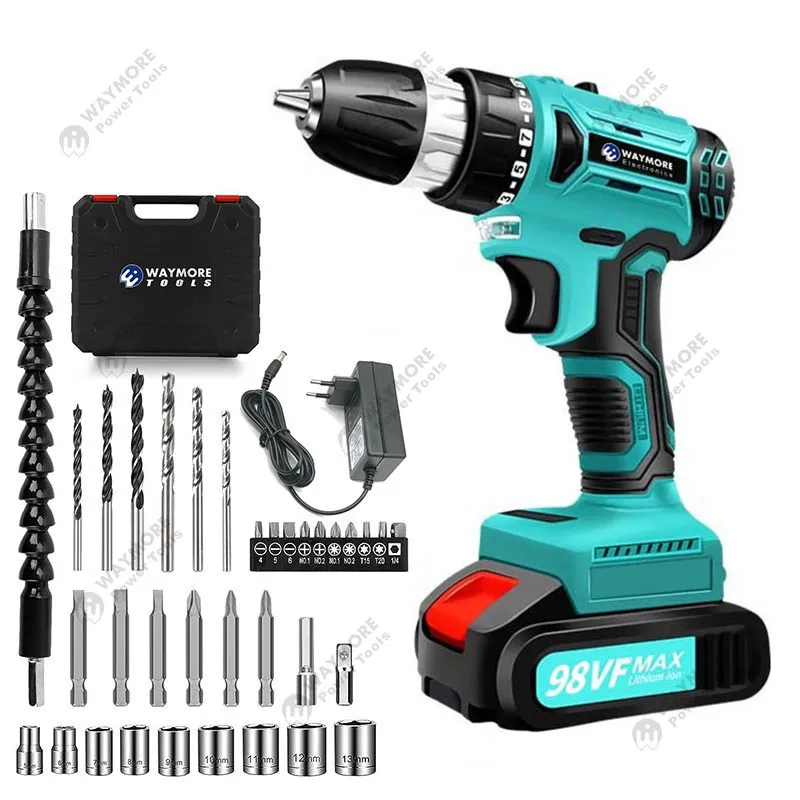
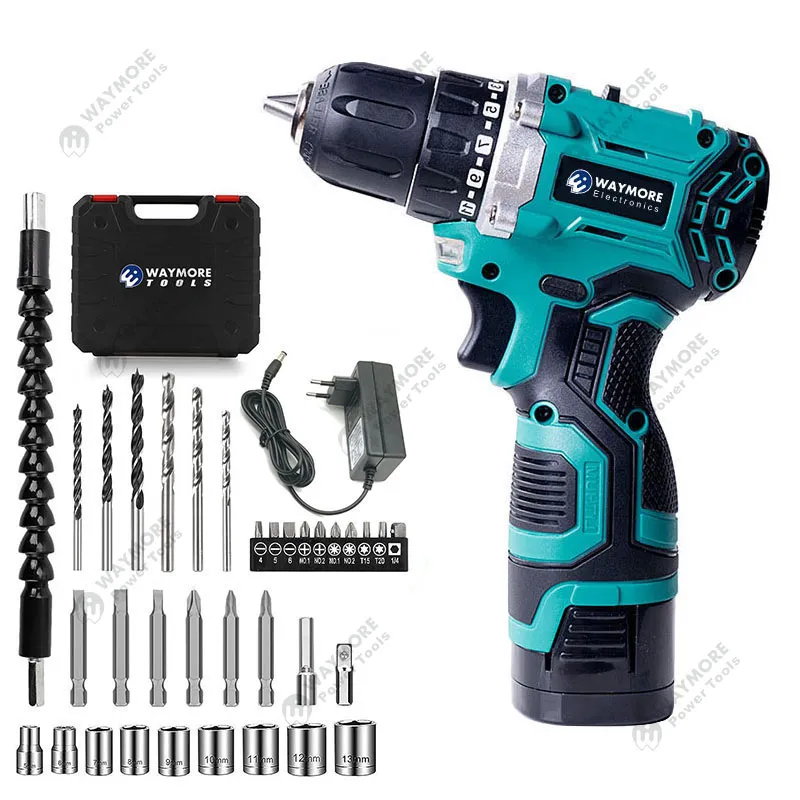
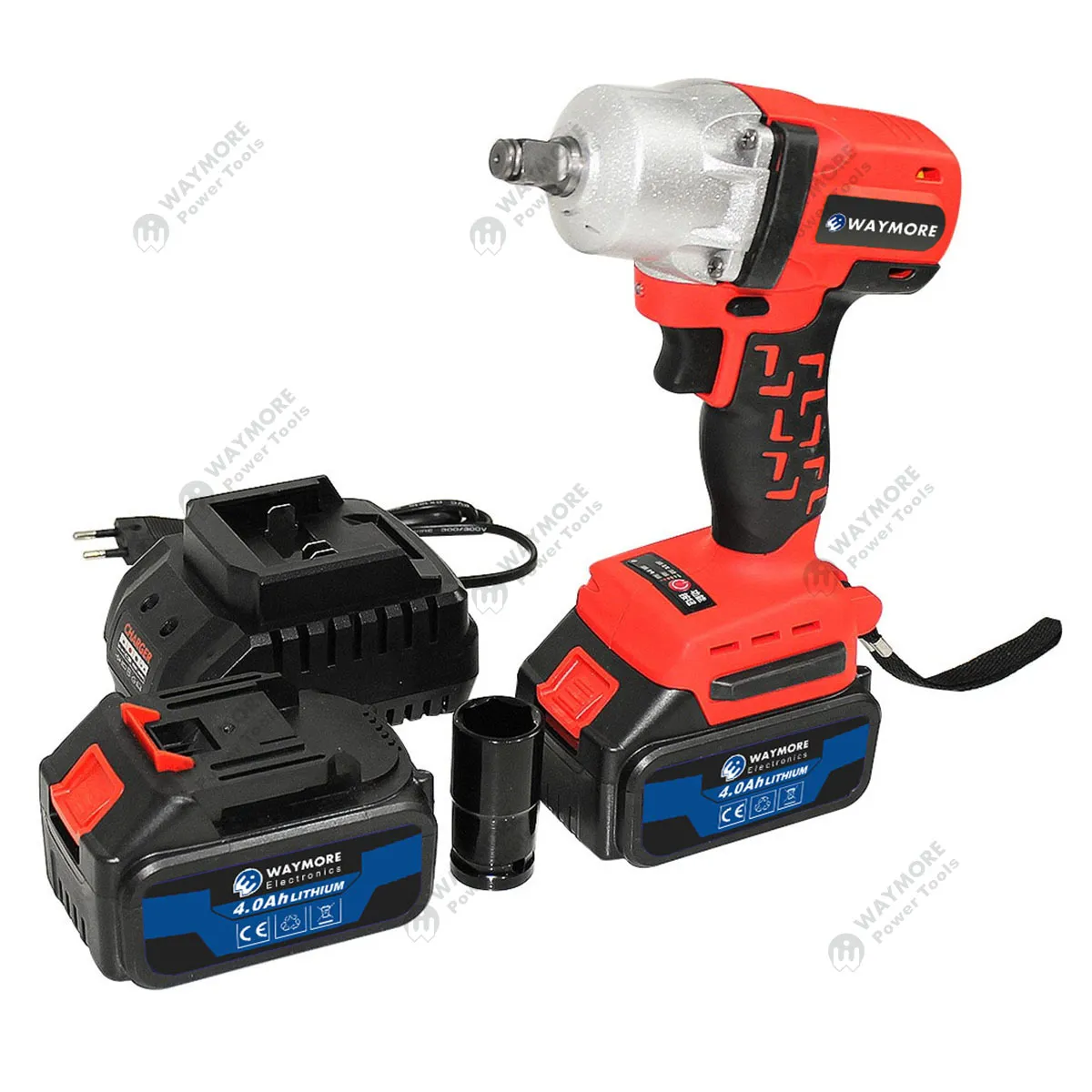
Many people wonder why some power drills are so much more expensive than others. Today, we will compare a $19 brushless power drill and a $109 brushless power drill, breaking down the differences in performance, components, and overall build quality. Why does the $109 drill come at a much higher price, and how big is the gap between the two in terms of functionality? Both drills come as a set with two batteries and one charger. The $19 drill features an 18V lithium battery, while the $109 drill is equipped with a 12V lithium battery, a common trend in lower-cost drills.
Size Comparison
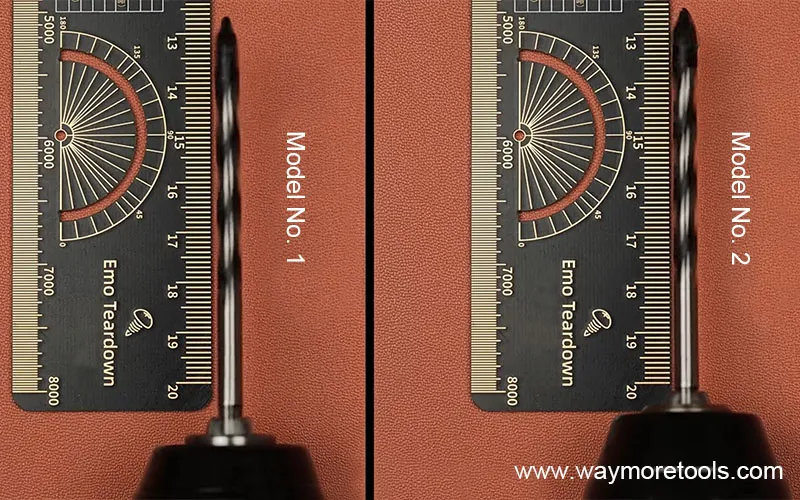
Let’s first look at their dimensions. The $19 brushless drill is 145mm long, while the $109 drill measures 162mm. Surprisingly, the cheaper model is shorter. However, when examining the handles, we find that the $109 drill has a shorter handle. In terms of appearance and size, the $19 drill actually seems more compact, which may appeal to some users.
Speed Performance
Next, we tested their speed. The $19 drill is labeled to have a maximum speed of 1650 RPM, and in our actual tests, it reached 1580 RPM. The $109 drill is marked at 1600 RPM, but during testing, it achieved 1500 RPM. It’s unexpected, but the cheaper drill has a slightly higher speed. However, speed isn’t everything in a power drill, and there are other factors to consider.
Torque Test
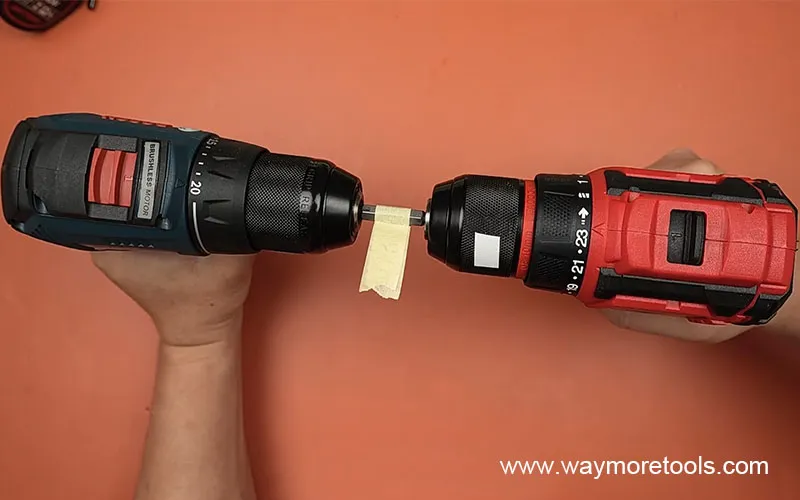
We then tested the torque of both drills. Both were set to the first gear, with their torque rings adjusted to the maximum level. We observed that the $19 drill’s torque was greater, which could be seen from the direction the tape moved during testing. When looking at both speed and torque together, the $19 drill outperforms the $109 model, which makes sense given its higher voltage of 18V versus 12V. Similar to the difference between a three-cylinder engine and a four-cylinder engine, a higher voltage battery can enhance the drill’s performance.
Battery Comparison
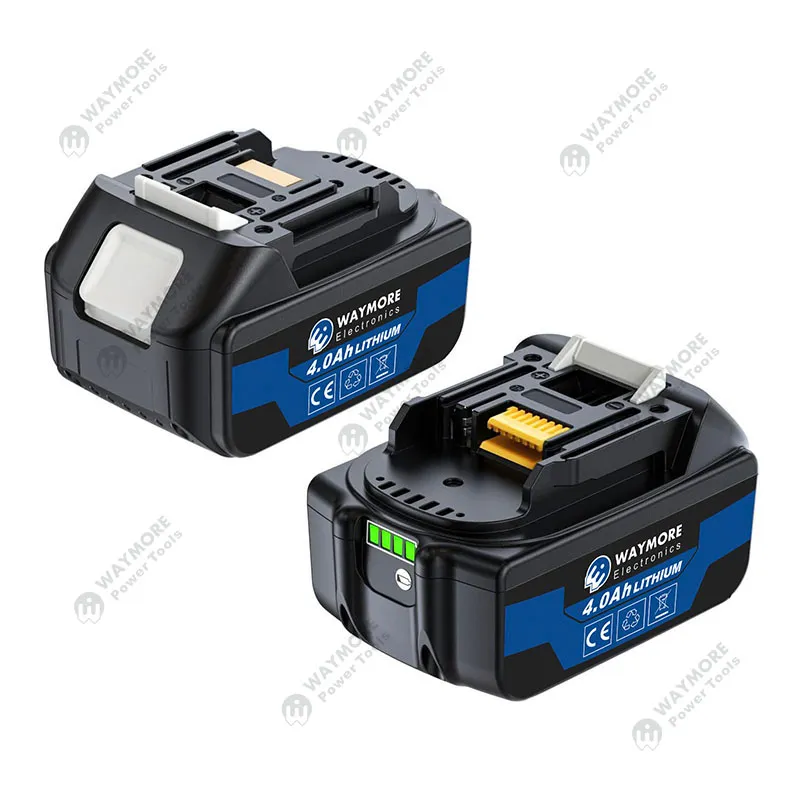
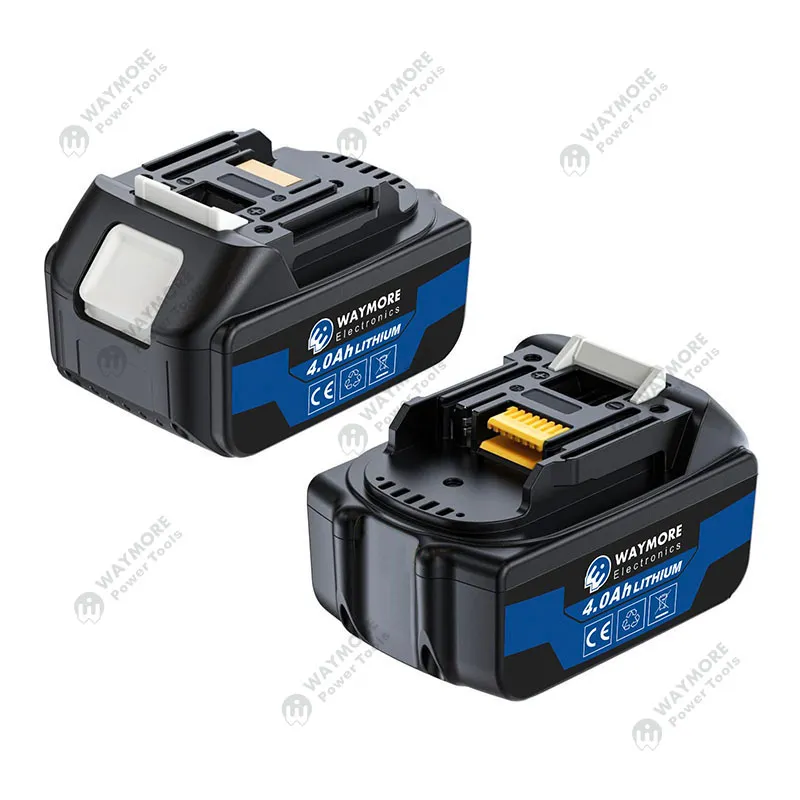
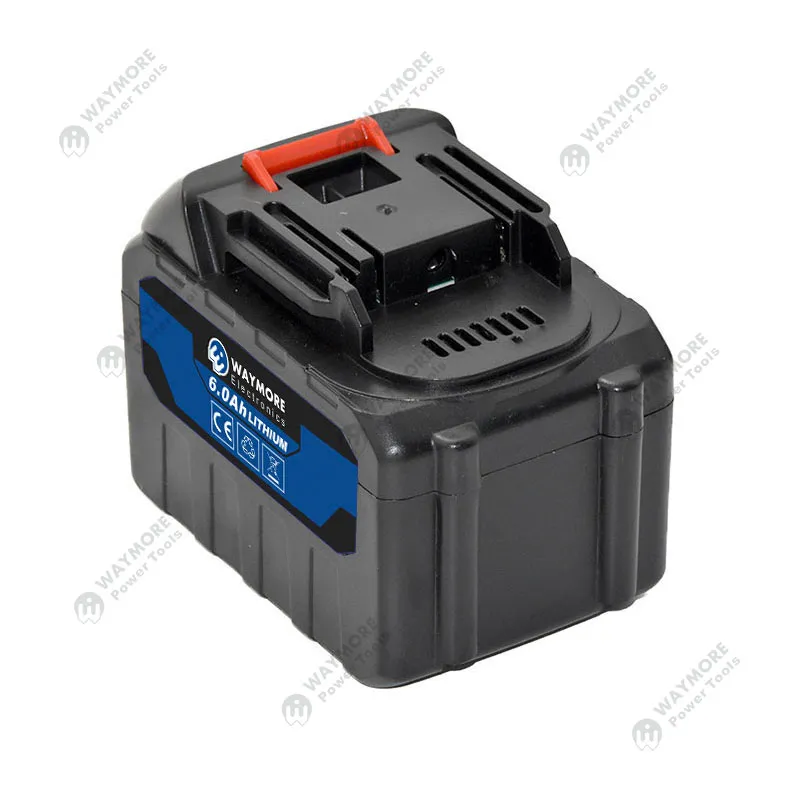
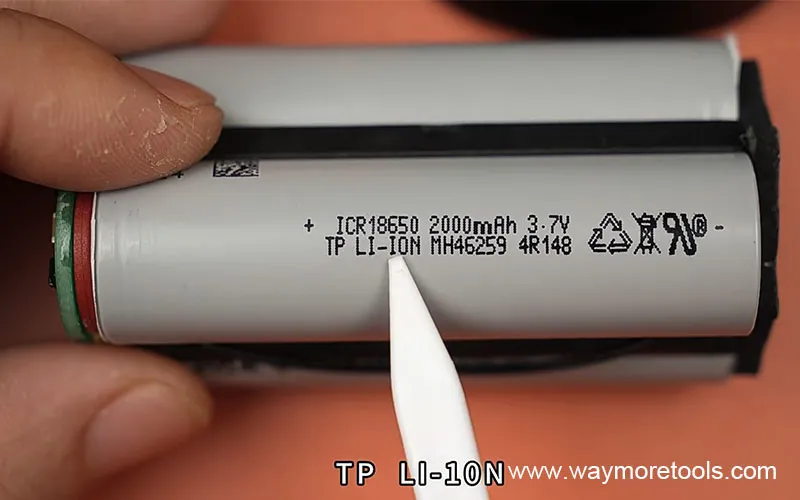
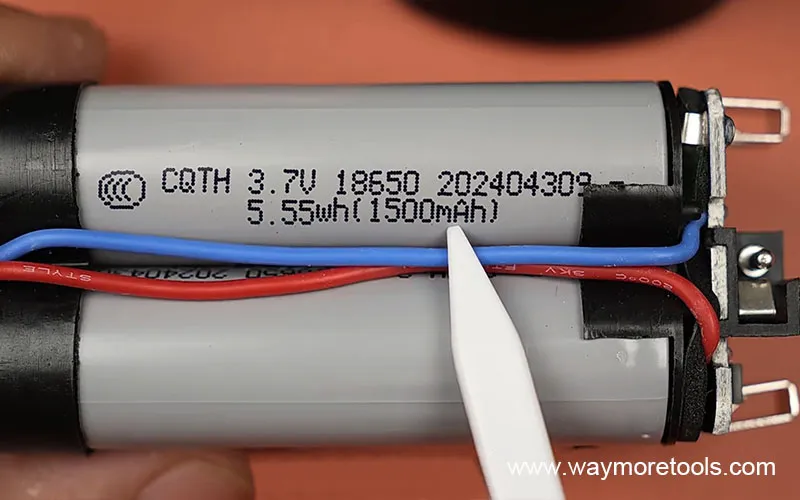
Now, let’s take a closer look at the batteries. The $109 drill uses a 12V 2.0Ah battery, while the $19 drill uses an 18V 1.5Ah battery. Based on these specifications, the two batteries are quite similar, and we couldn’t definitively declare one better than the other. However, the higher voltage in the $19 drill does give it an edge in performance, though this might not always translate to real-world use depending on the tasks being performed.
Motor and Gearbox Analysis
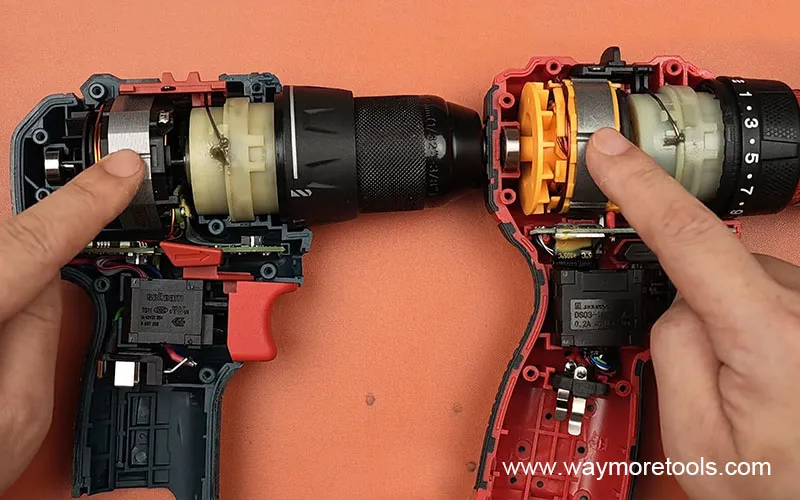
When we disassemble the two drills, we find that their internal structures are mostly the same, including components like the variable speed switch, driver board, brushless motor, and gearbox. However, there are important differences in the details. The speed switch in the $19 drill appears to be much better in terms of build quality.
The motors in these drills are also different. The $109 drill features a brushless motor with Hall sensors, which are used to detect the rotor's position, making the motor control more accurate and increasing the cost. The $19 drill, on the other hand, uses a sensorless brushless motor with copper wiring, which is of higher quality than the aluminum wiring seen in some other cheap drills. Although simpler and less costly, the motor in the $19 drill is inferior to the one in the $109 drill.
The rotors also show differences, with the $109 drill's rotor being of higher craftsmanship. As for the driver boards, both feature six individual MOSFETs (metal-oxide-semiconductor field-effect transistors), but the $109 drill has a more advanced integrated design, which is superior for both efficiency and durability.
Long-Term Costs
Looking at the long-term costs, the battery replacement for the $109 drill is likely to be more expensive due to its higher quality and better performance. If you plan to use the drill frequently and for heavy-duty tasks, investing in a higher-quality drill like the $109 one could save you money in the long run by lasting longer and offering more consistent performance over time.
Conclusion: Which One to Choose?
In conclusion, if you’re choosing between a $19 drill and a $109 drill, it ultimately depends on your needs. The $19 drill offers surprisingly good performance in terms of speed and torque, making it a viable option for lighter tasks or occasional use. However, the $109 drill, with its superior motor, better components, and overall build quality, is the more reliable choice for long-term use, especially for professional tasks or heavy-duty applications.
At Waymore Tools, we offer a range of power drills to suit different needs and budgets. Whether you need an affordable drill for light DIY projects or a more robust model for professional work, we’ve got you covered. Explore our collection today to find the right power tool for your next job.
As our company continues to participate in this grand event, we remain committed to offering the best power tools and machinery solutions to meet the needs of our global partners. Whether you are a wholesaler, importer, or distributor, we are ready to collaborate and support your business growth.
If you are interested in our Power Tools, welcome to contact with us, and we are here to offer you best service and great products, thank you!
Contact: Daniel
Email: daniel@waymoretools.com
Website: www.waymoretools.com