Waymore Tools
Today's Insights: Will Lithium Iron Phosphate Batteries Be Eliminated
Table of Contents
- Introduction
- Key Advantages of Lithium Iron Phosphate Batteries
- Comparison with Other Battery Technologies
- Temperature Sensitivity and Performance
- Conclusion
Introduction
Lithium iron phosphate batteries have sparked much debate in recent years. There was once a widespread belief that these batteries were simply a transitional technology that would soon be replaced. Many people expected that lithium iron phosphate would be phased out as newer, more advanced battery technologies emerged.
However, I have consistently argued that even if ternary lithium batteries are eventually replaced, lithium iron phosphate batteries will continue to thrive. In fact, a well-known figure in the automotive industry recently expressed a similar opinion, stating that lithium iron phosphate batteries will remain relevant for at least the next 20 years.
The reason for this is simple: lithium iron phosphate batteries offer a unique set of advantages that make them difficult to replace, even as new battery technologies such as semi-solid and solid-state batteries mature and become widely available.
Key Advantages of Lithium Iron Phosphate Batteries
Lithium iron phosphate batteries possess several characteristics that set them apart from other types of batteries, making them an essential component in various applications. Here are the key reasons why they will likely persist for the foreseeable future:
1. Voltage Stability and Long Life
One of the most significant advantages of lithium iron phosphate batteries is their stable voltage. This ensures consistent performance over time, which is especially important in applications that demand reliability. Additionally, these batteries have a long life span compared to other battery types, making them cost-effective in the long run.
2. Safety
Safety is a crucial factor when evaluating battery technology, and lithium iron phosphate batteries excel in this area. They are generally safer than other lithium-based batteries, with a lower risk of overheating, combustion, or explosion. This makes them a preferred choice in industries where safety is paramount.
3. Mature Technology and Low Cost
The technology behind lithium iron phosphate batteries is well-established. This maturity means that manufacturing processes are refined, and the overall production cost continues to decrease. Even as newer battery technologies develop, lithium iron phosphate batteries maintain a significant cost advantage, particularly in terms of raw materials, where they are estimated to be at least five times cheaper.
When considering the comprehensive cost, including factors like production, supply chain, and operational efficiency, lithium iron phosphate batteries are still 2 to 3 times cheaper than semi-solid or solid-state batteries.
4. Numerous Usage Scenarios
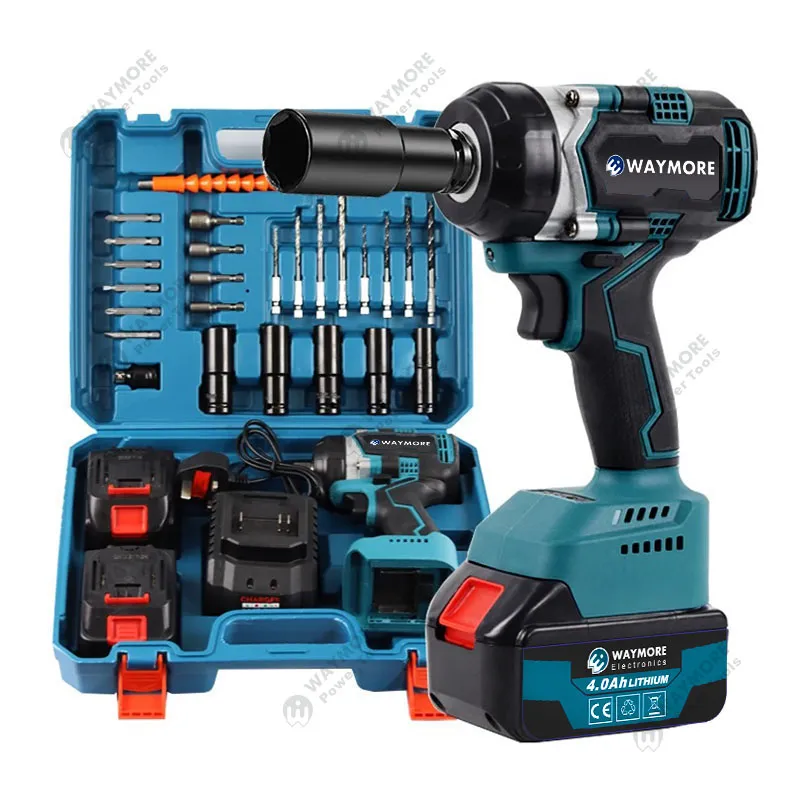
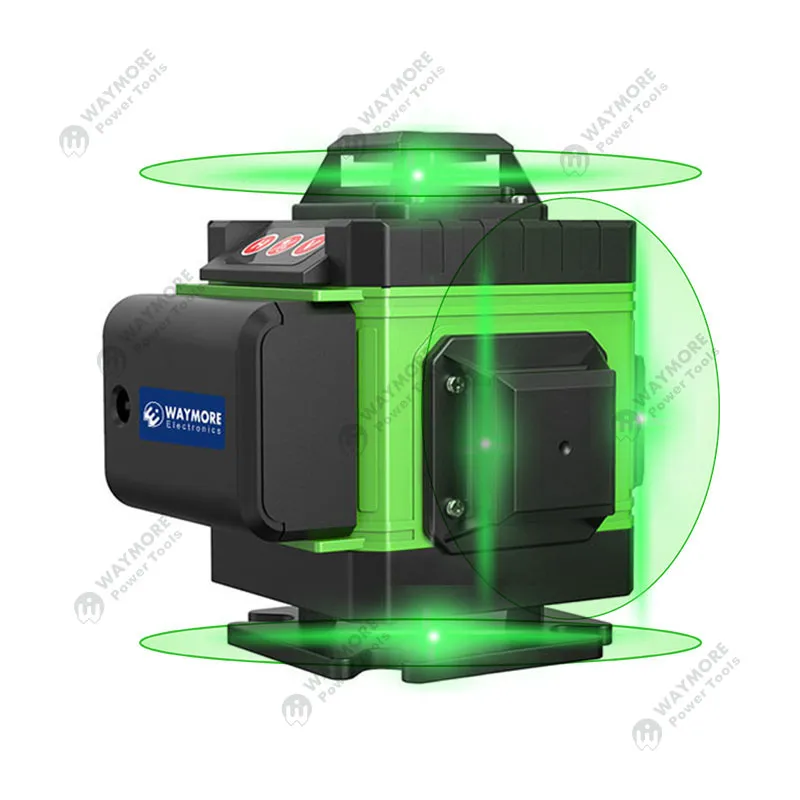
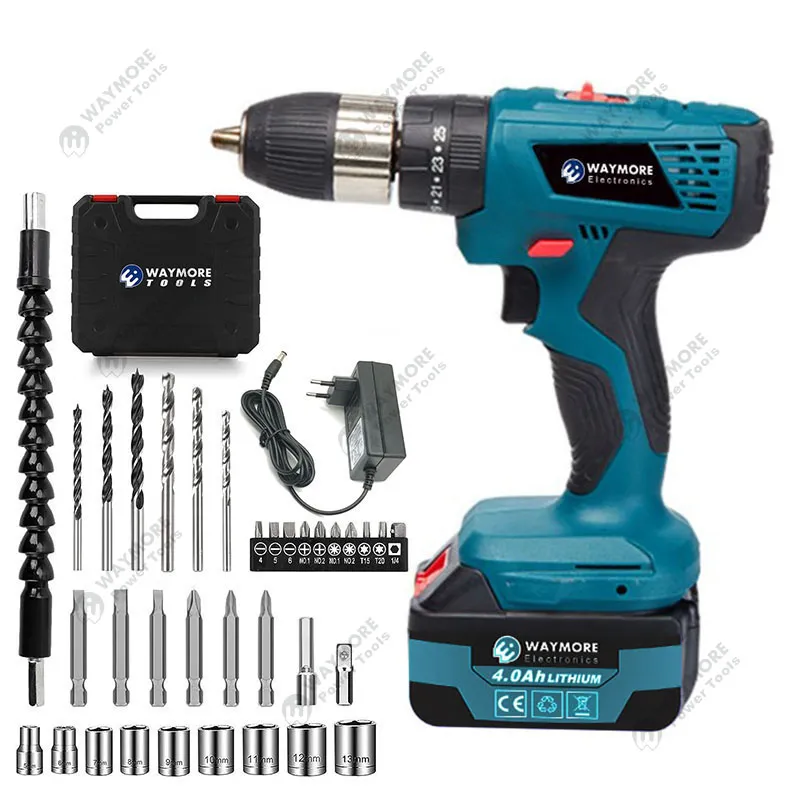
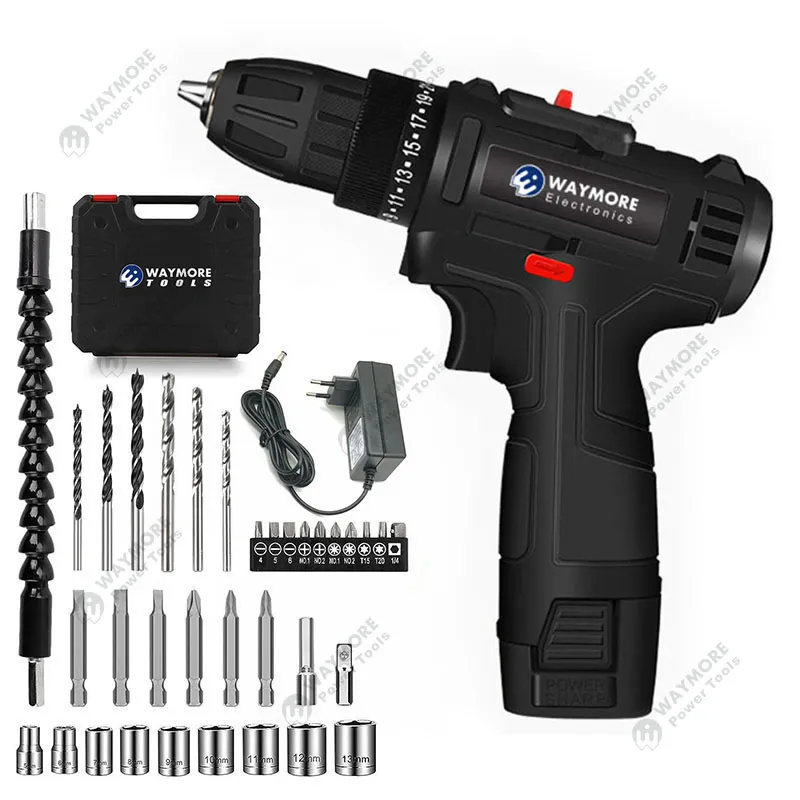
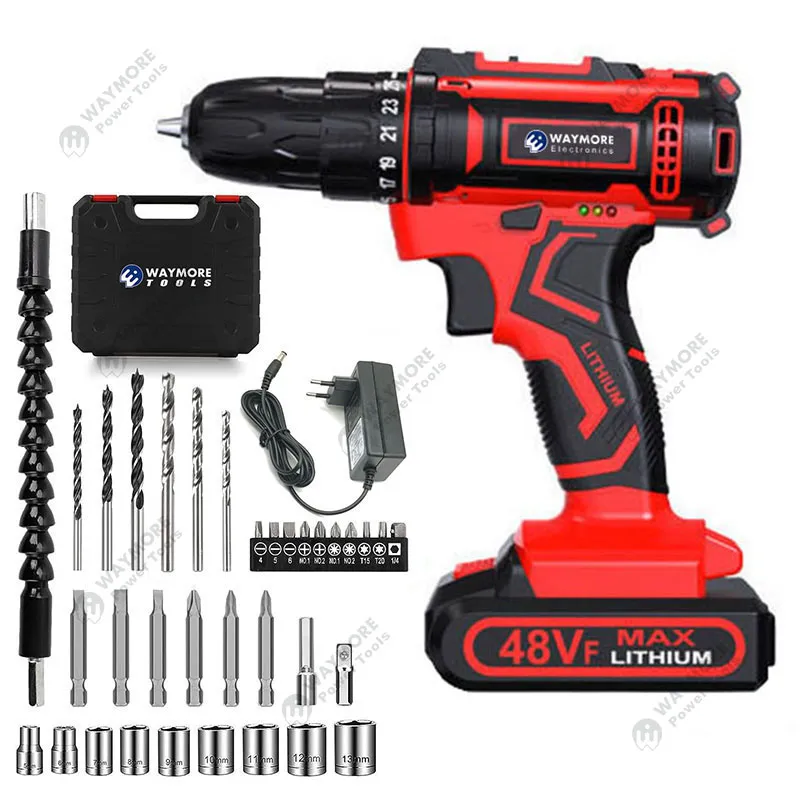
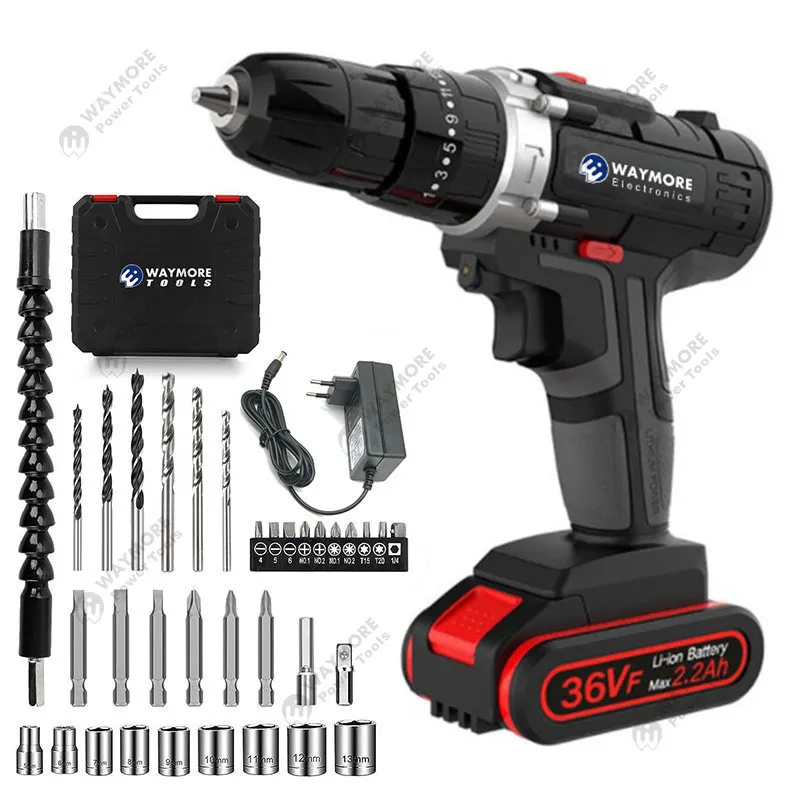
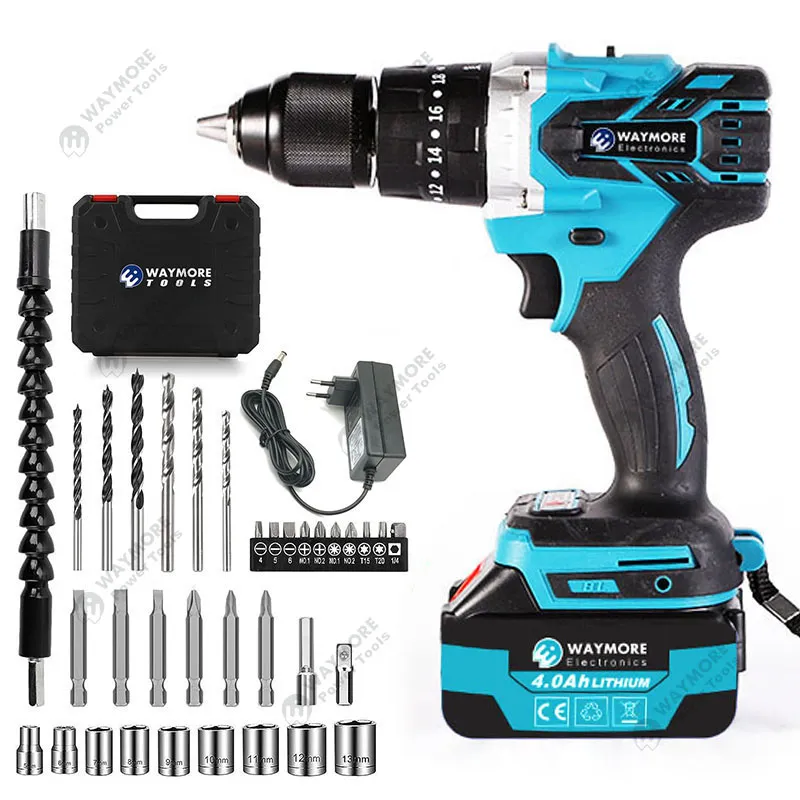
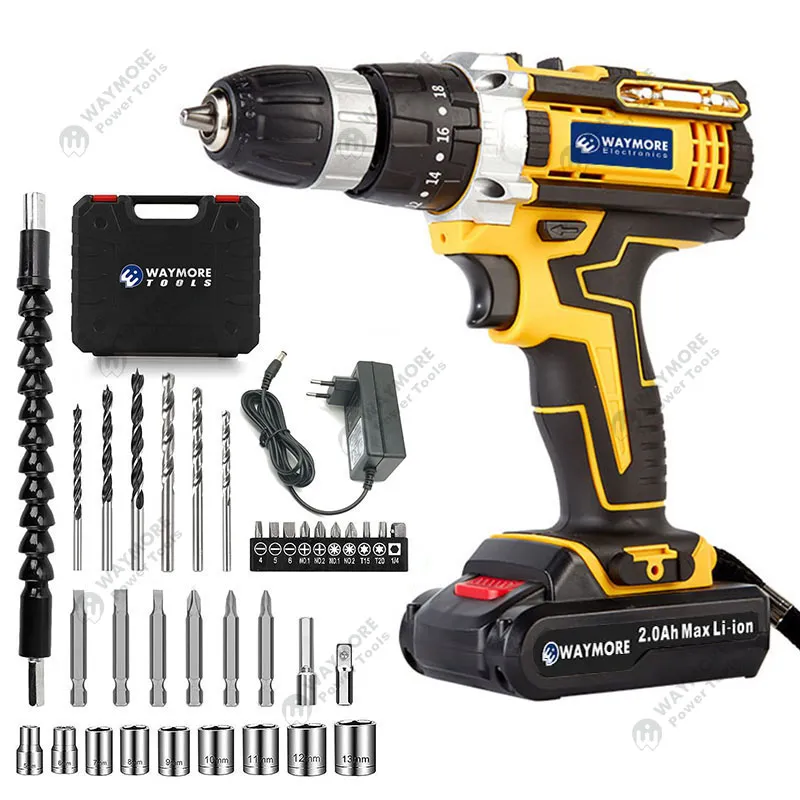
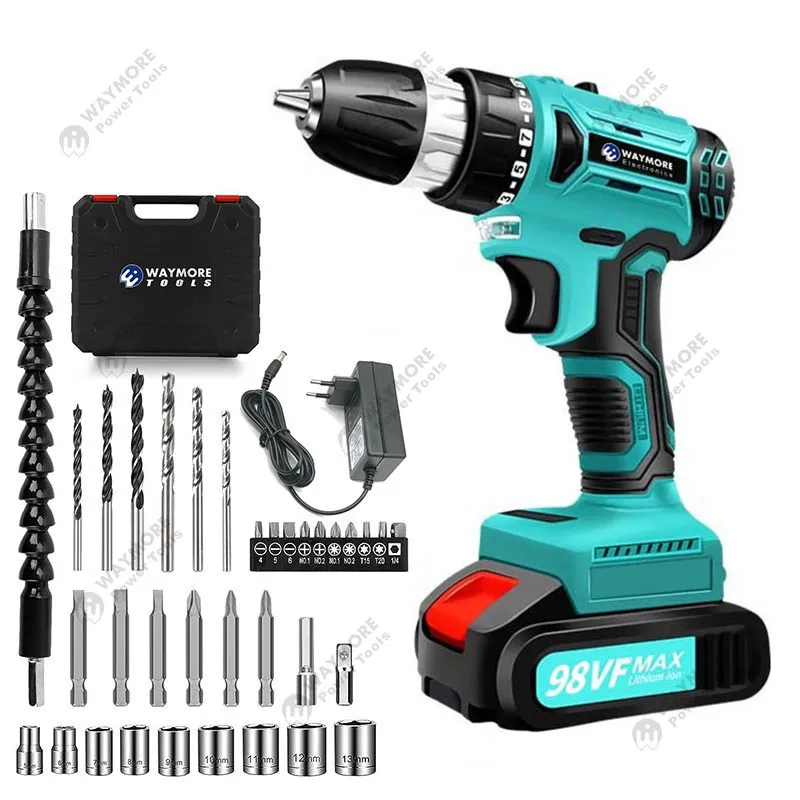
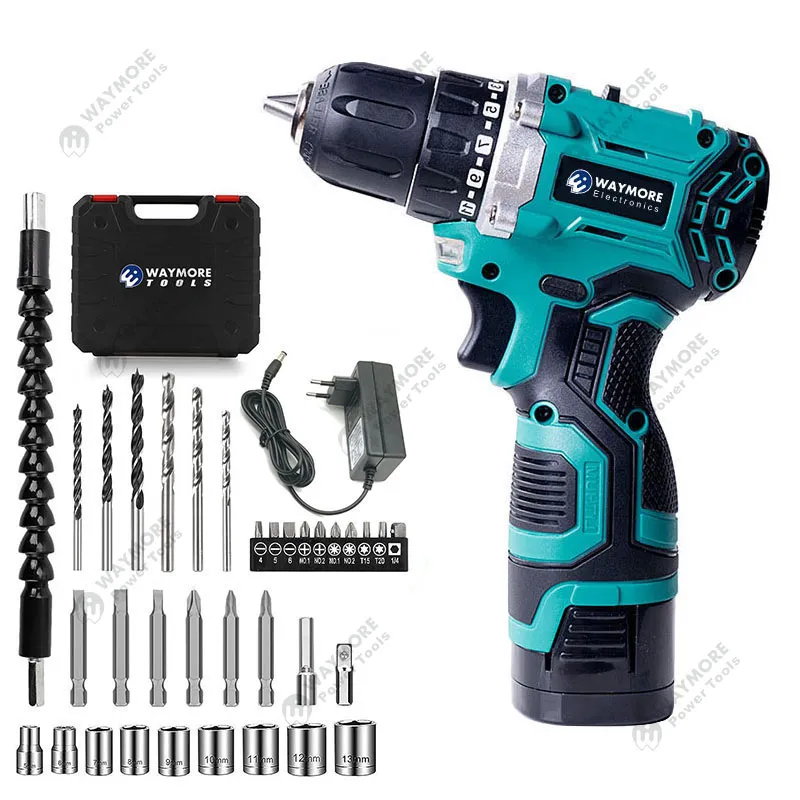
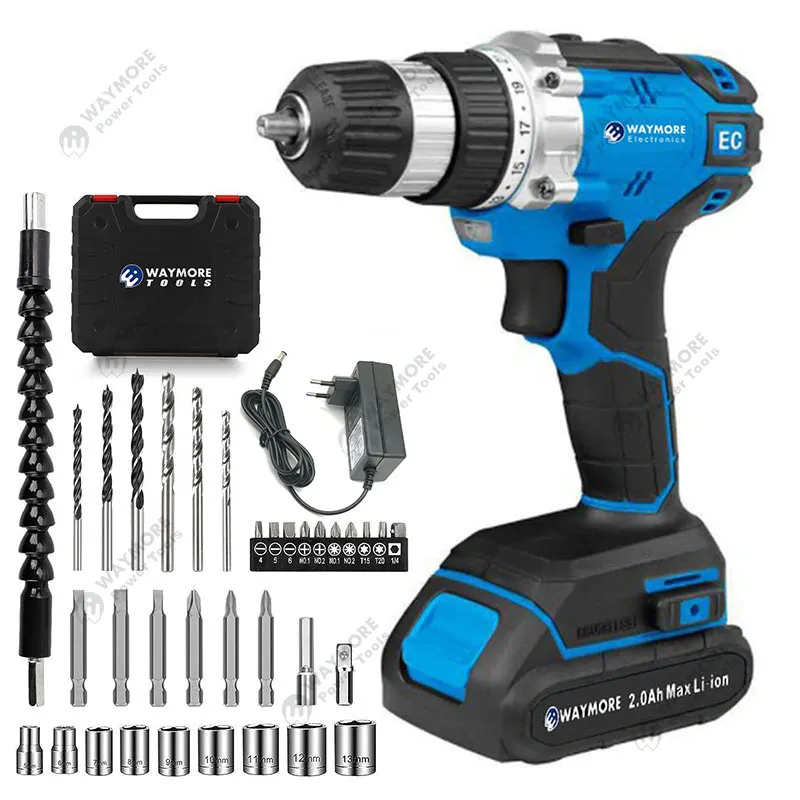
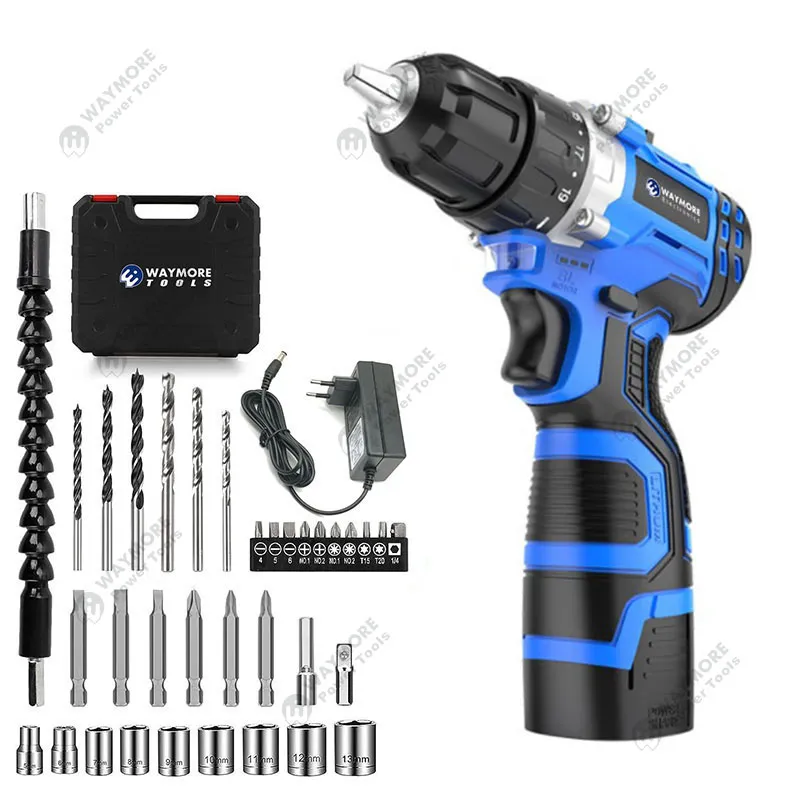
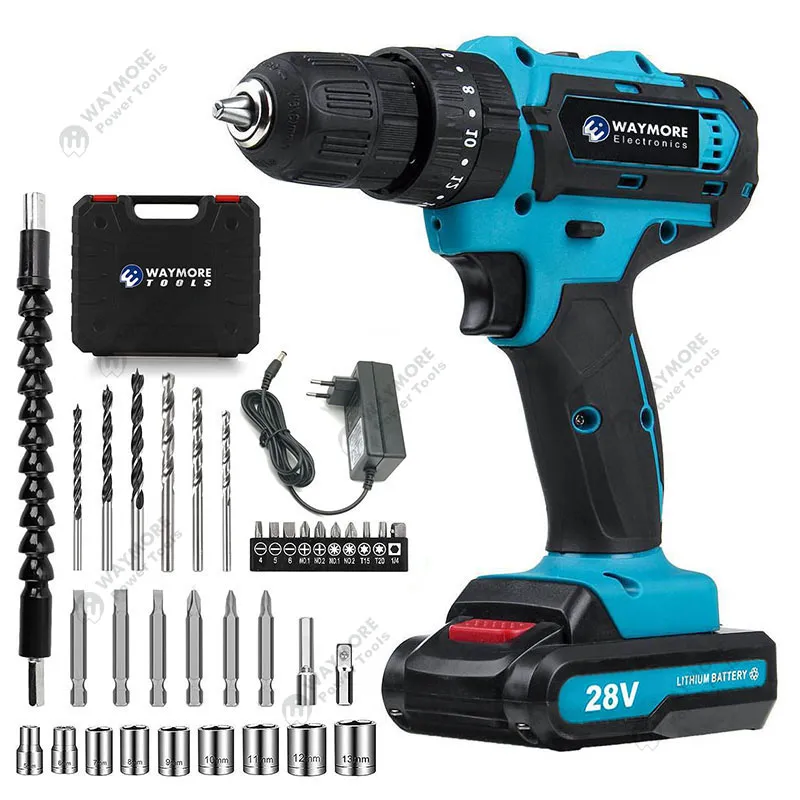
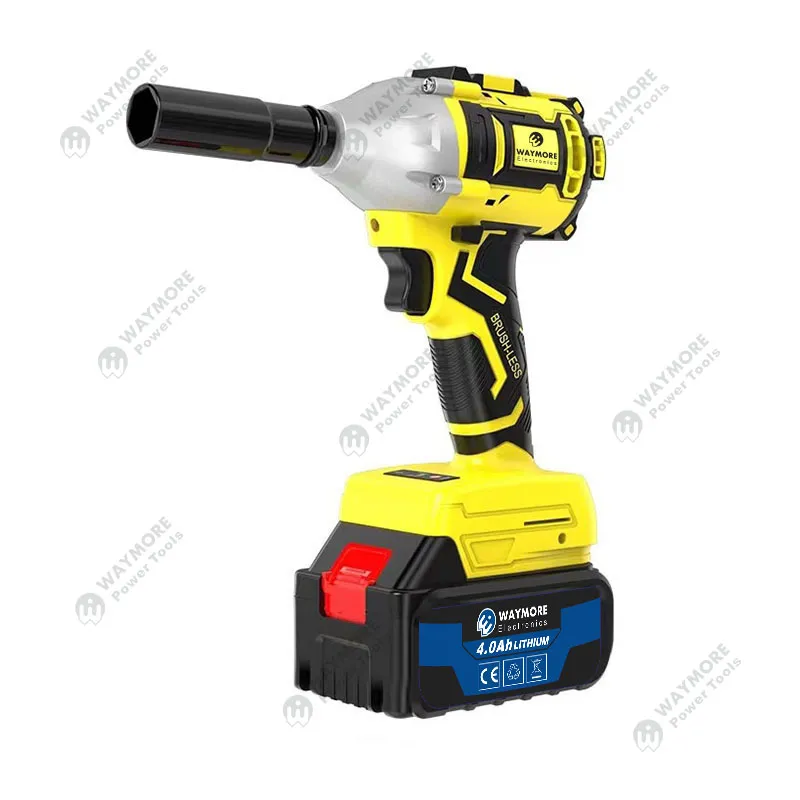
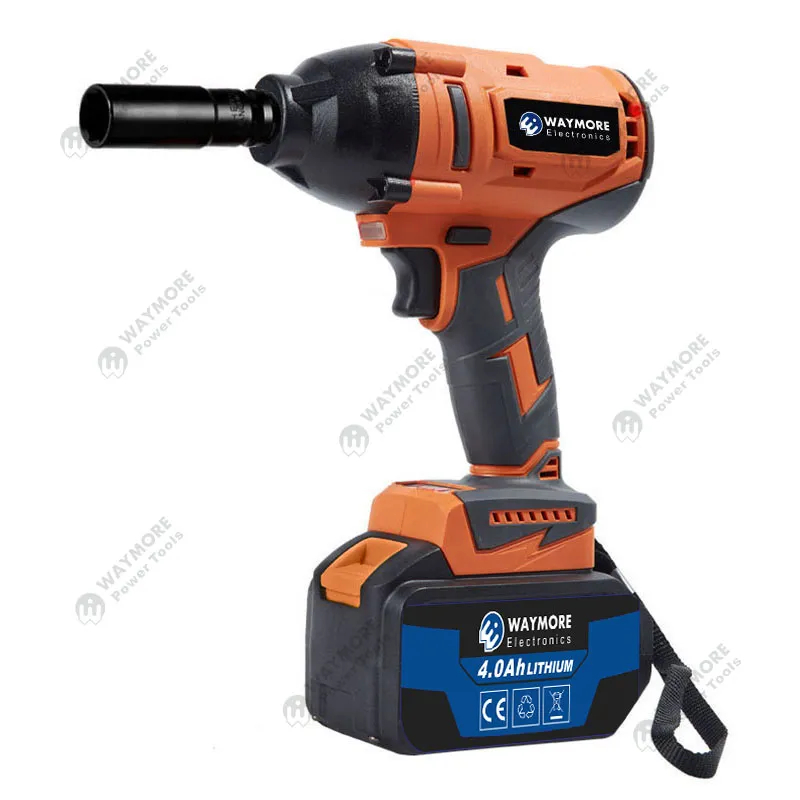
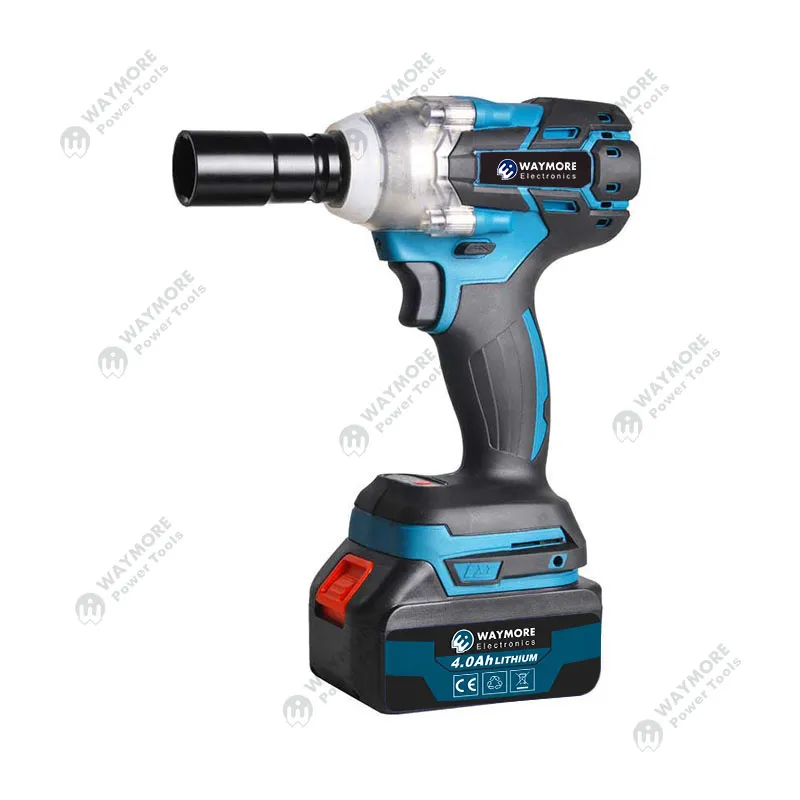
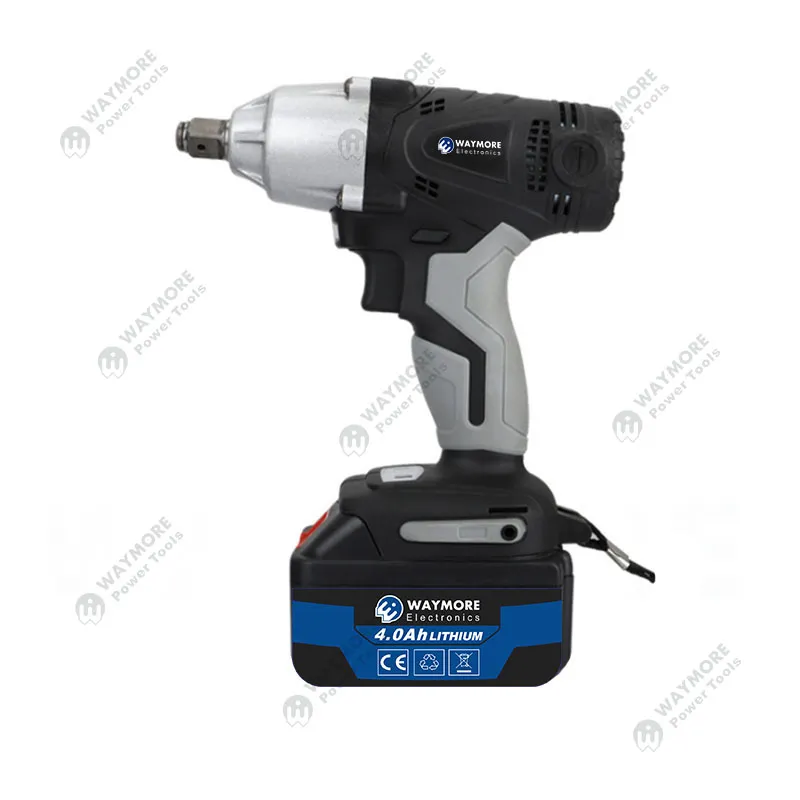
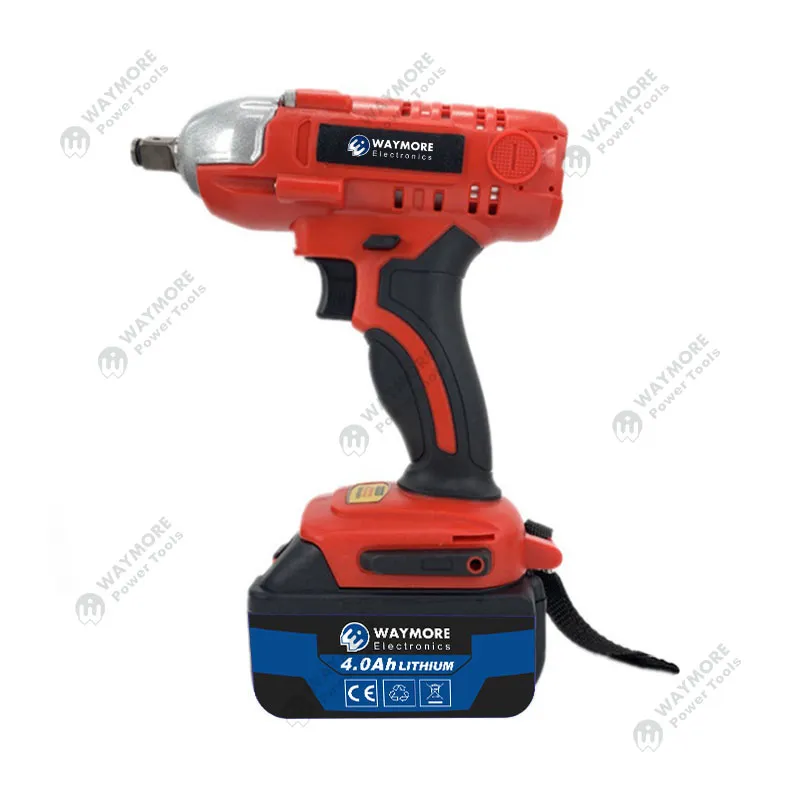
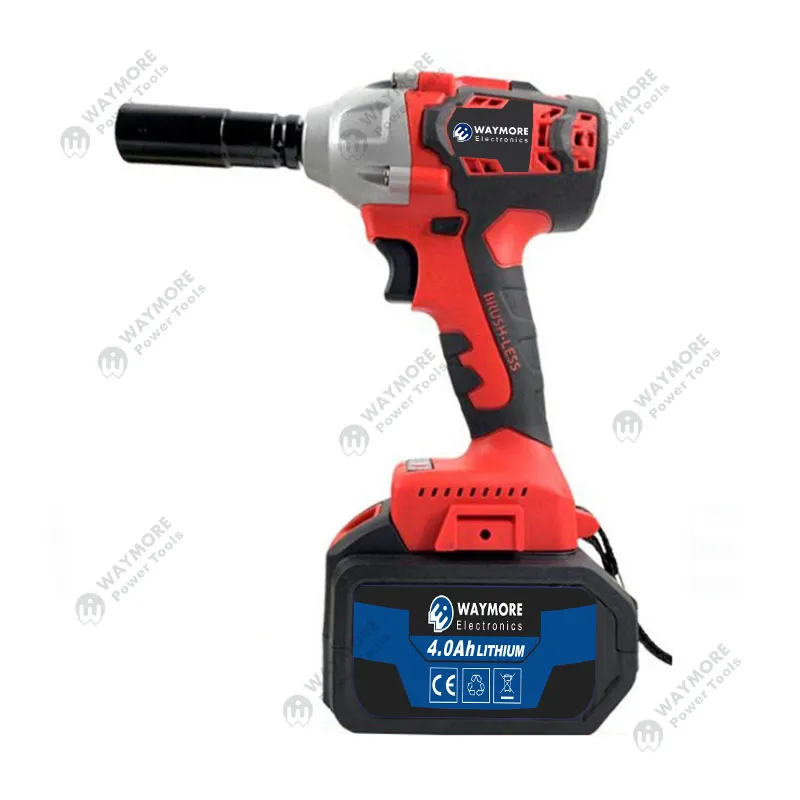
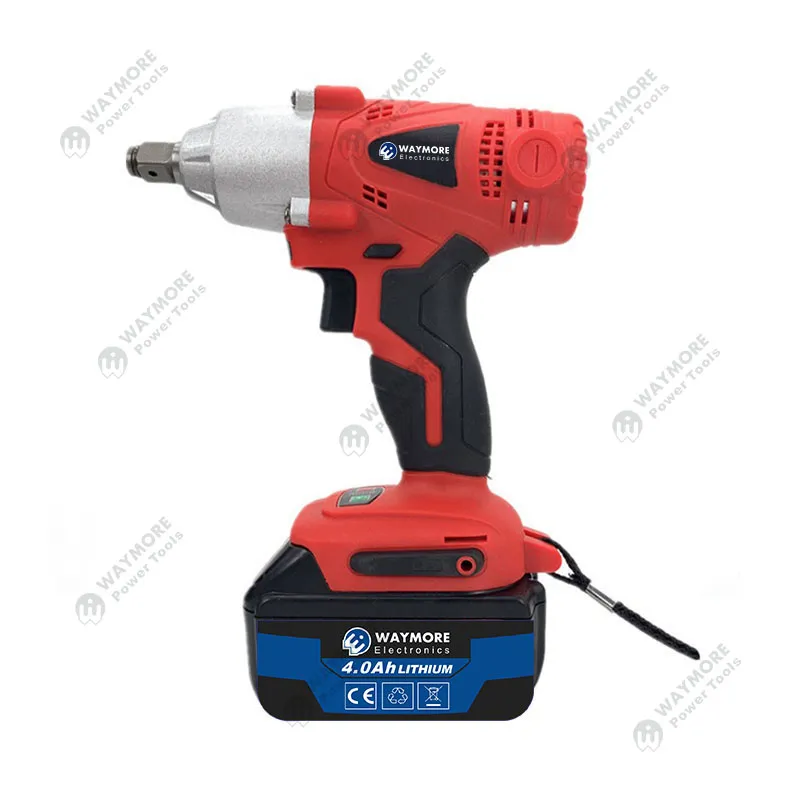
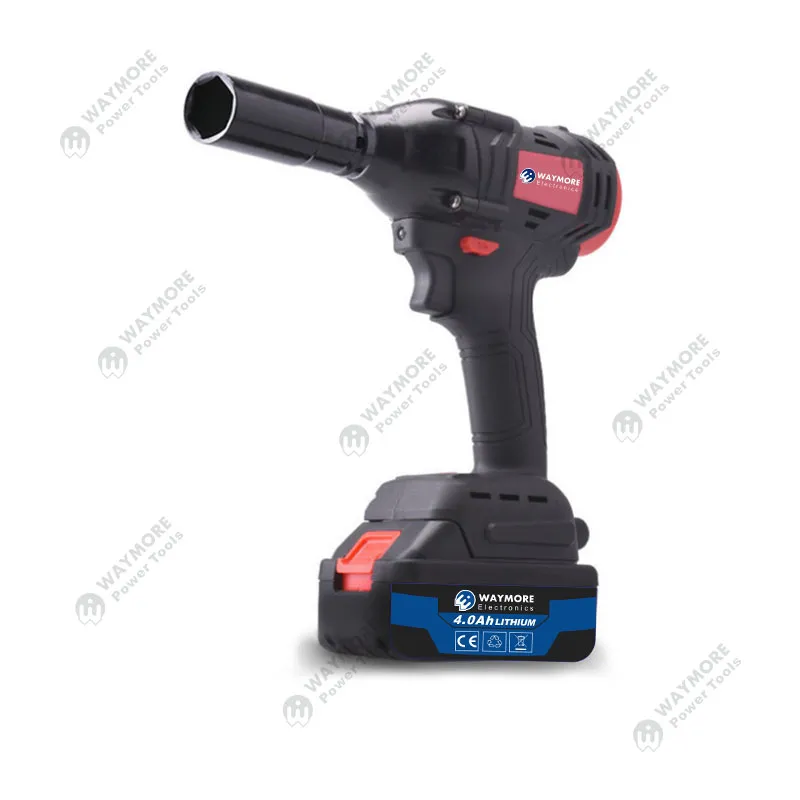
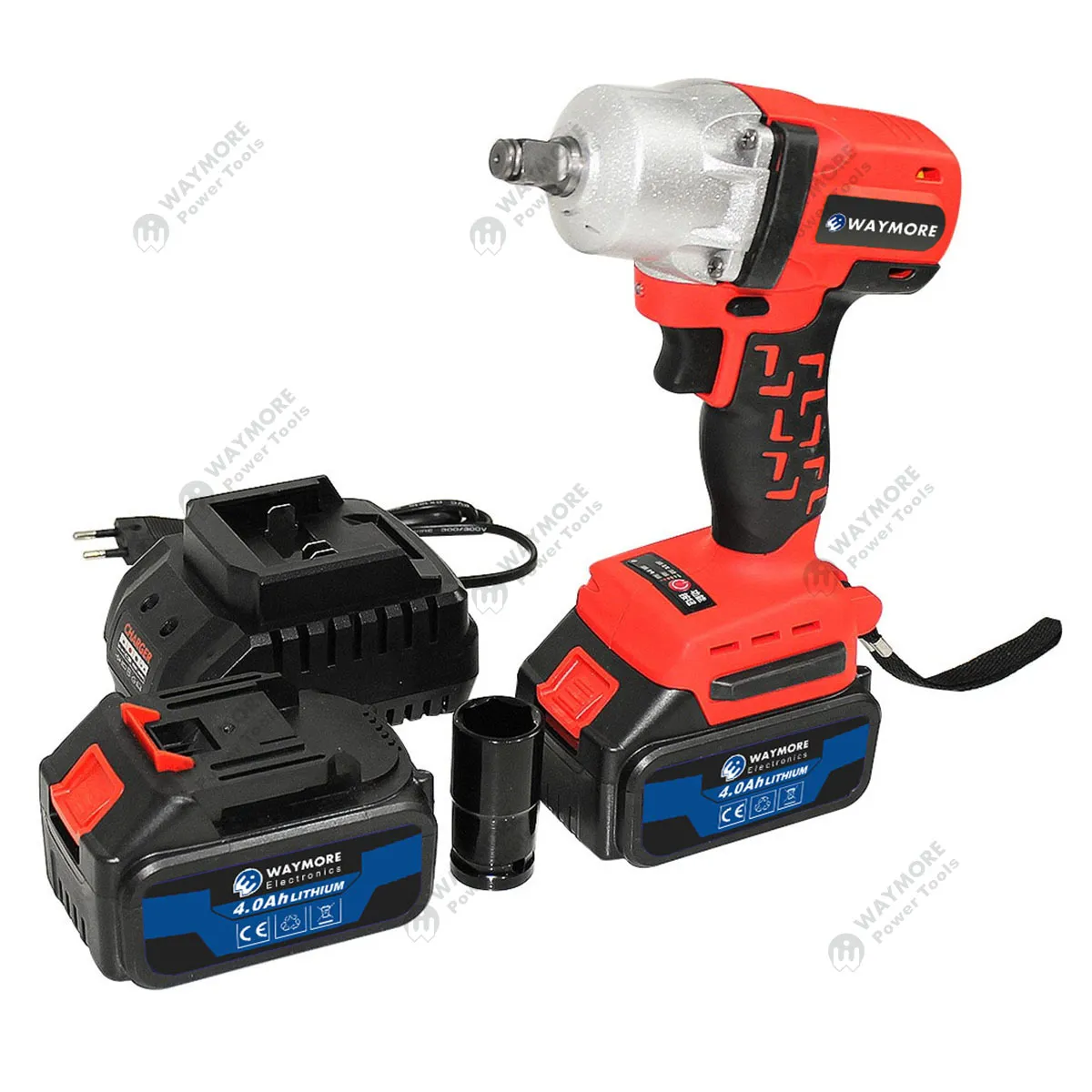
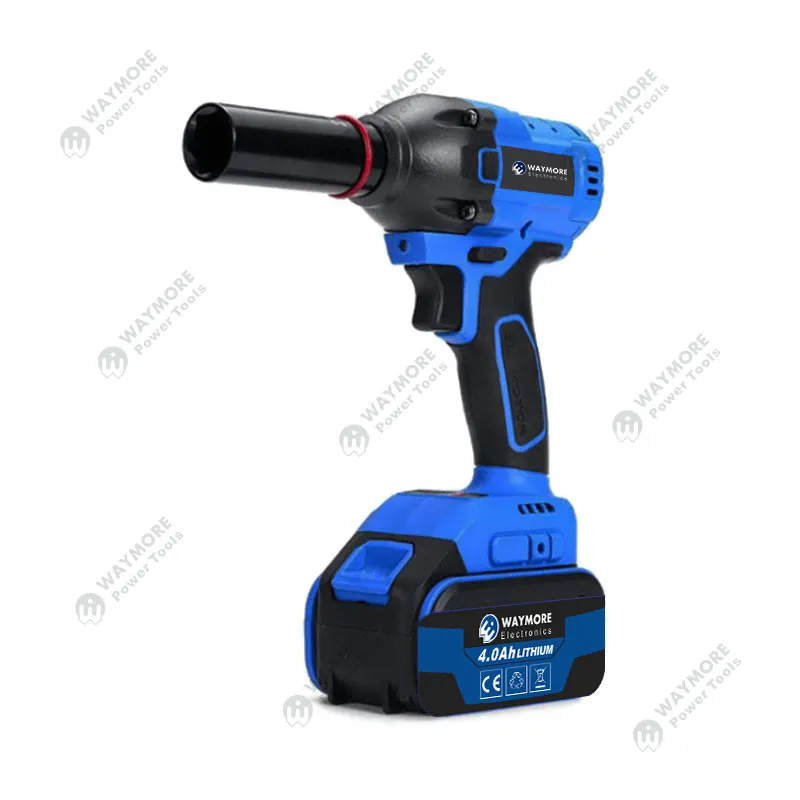
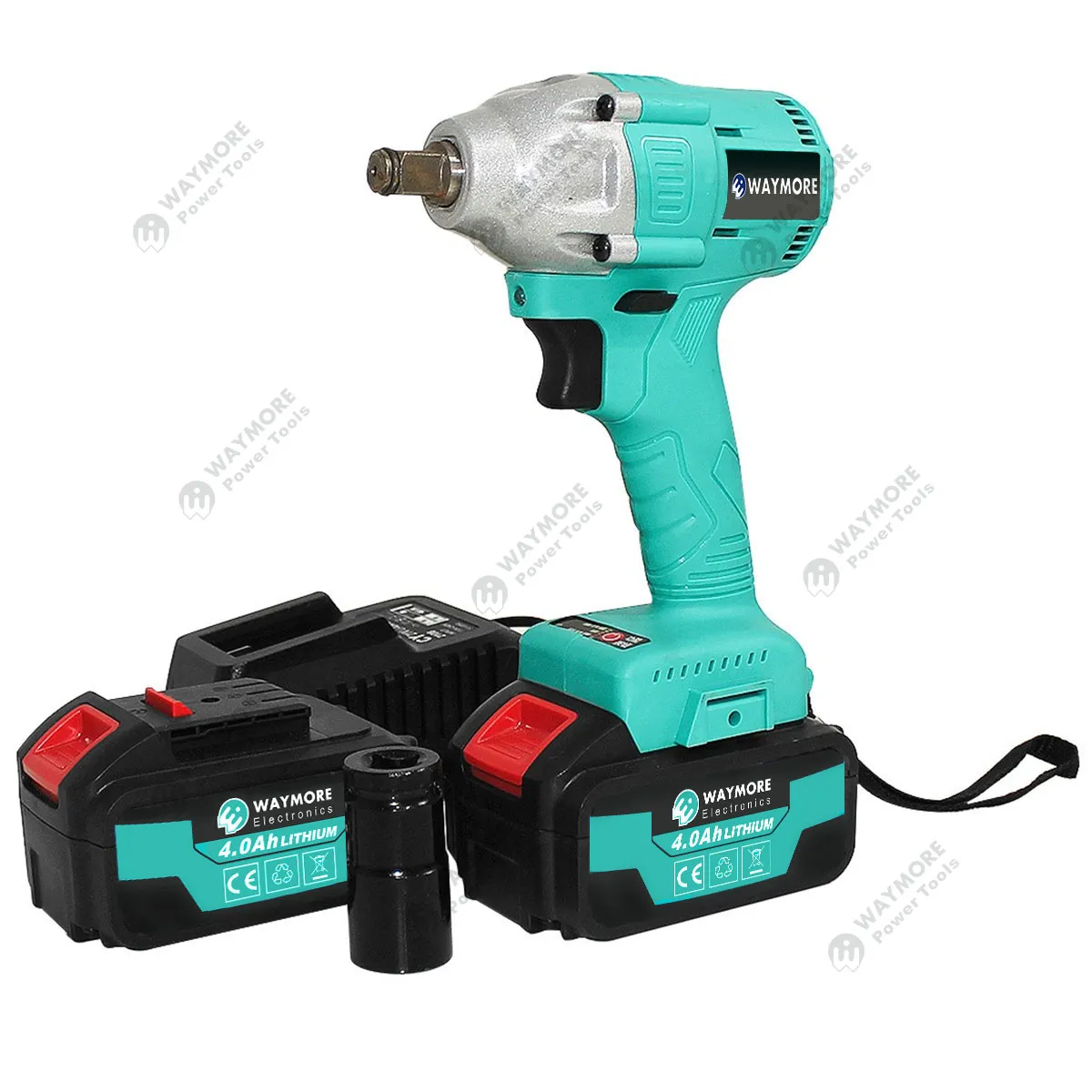
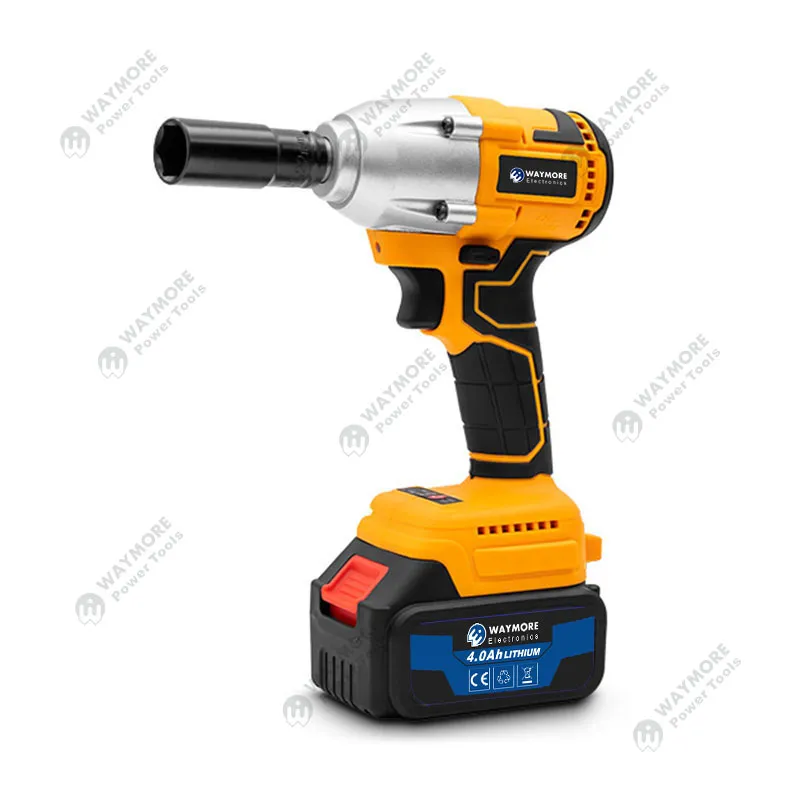
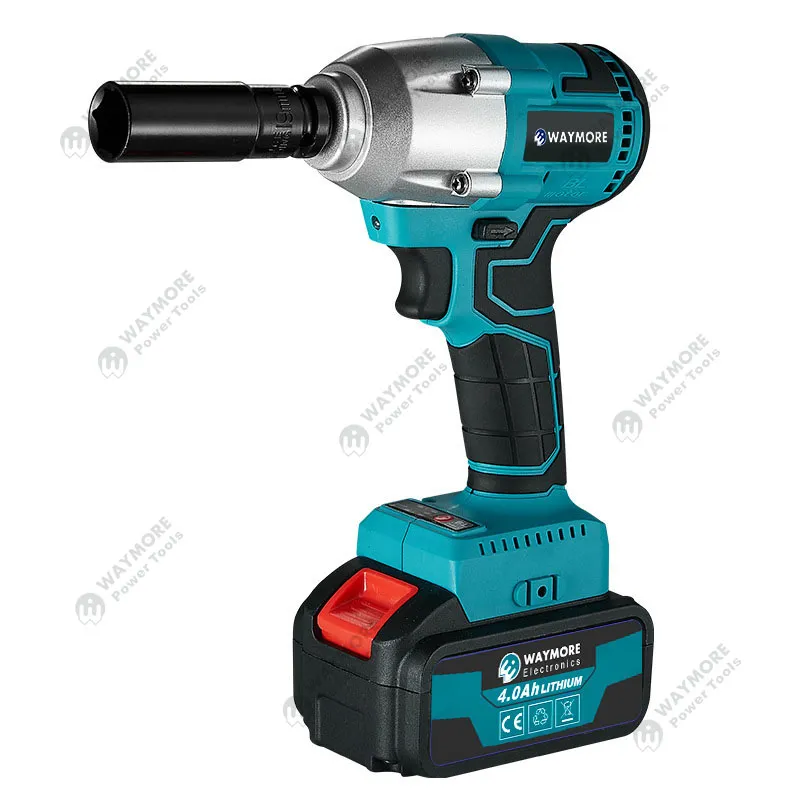
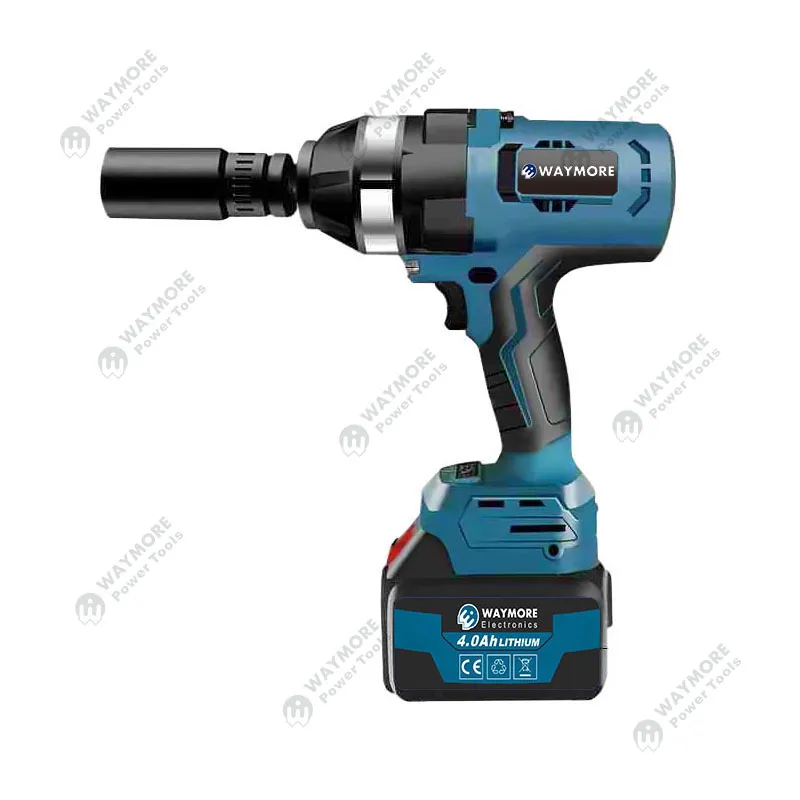
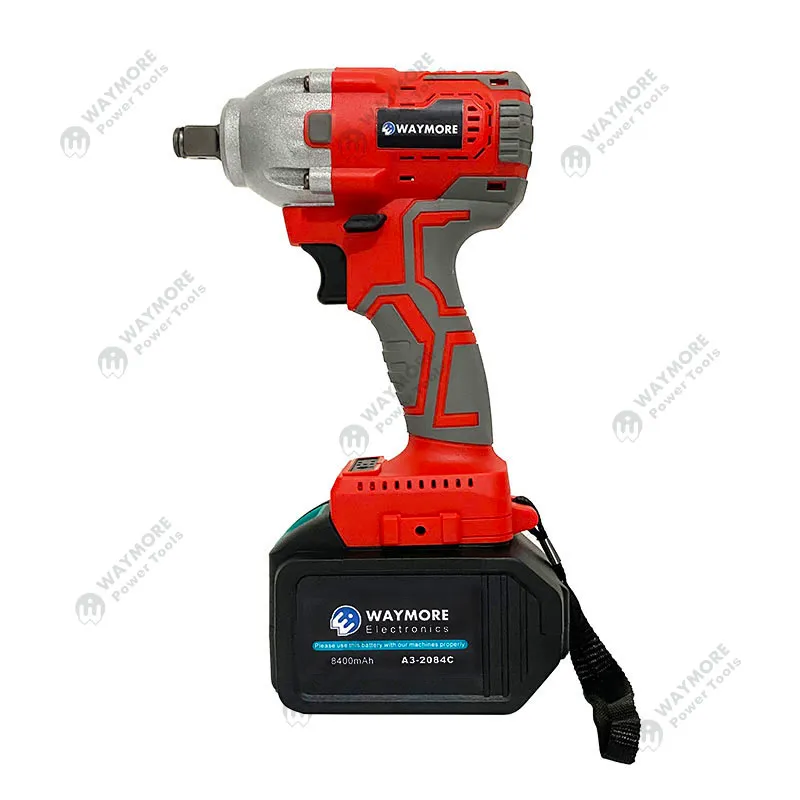
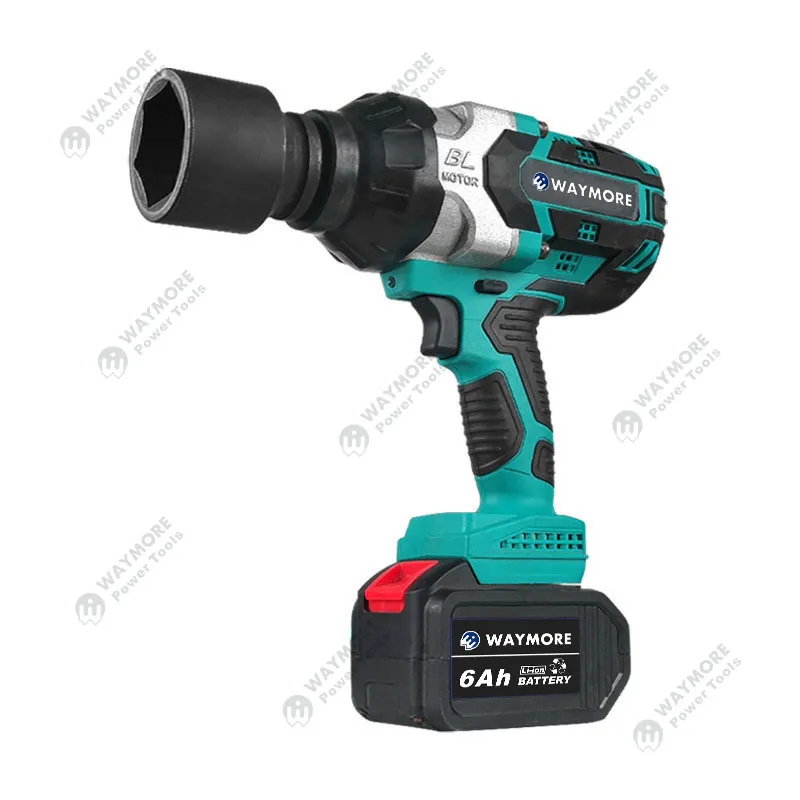
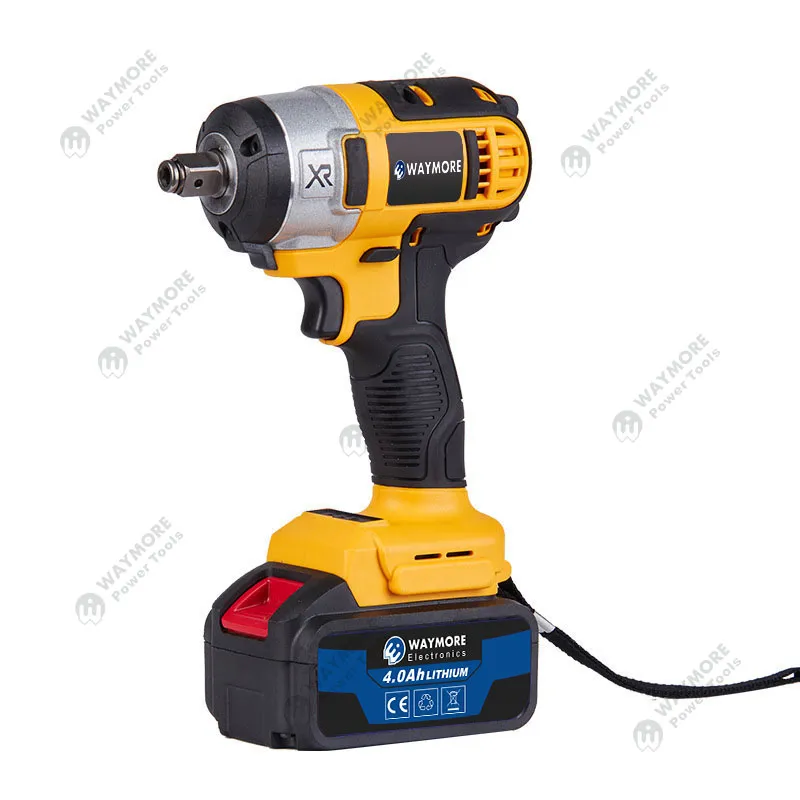
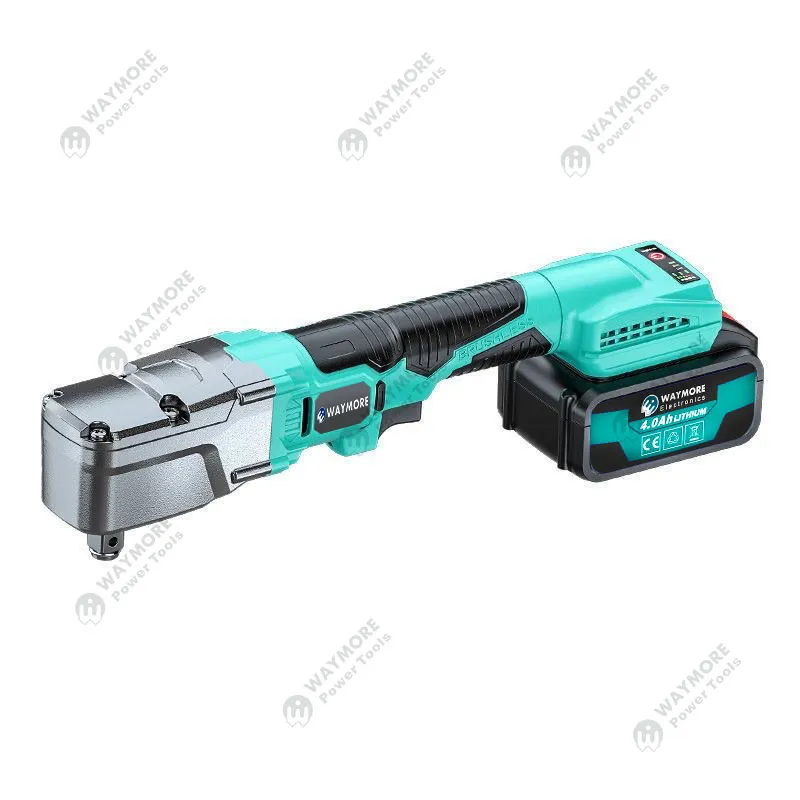
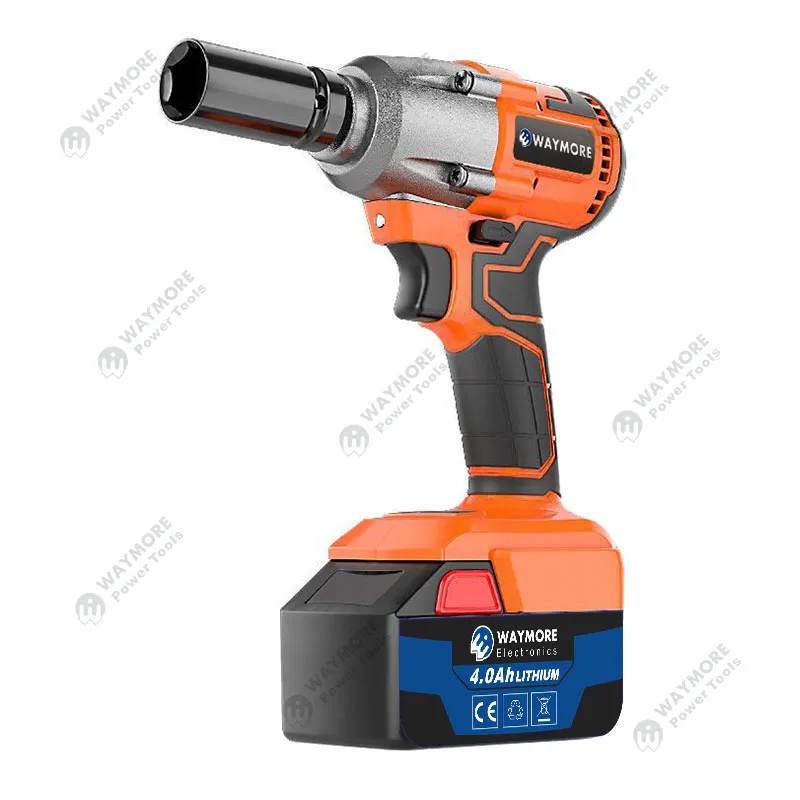
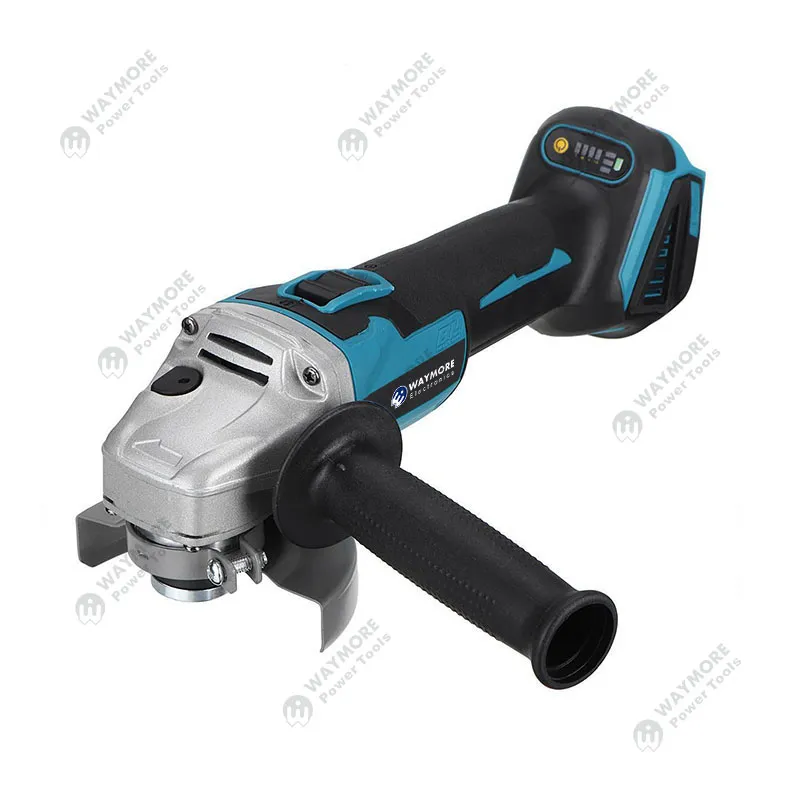
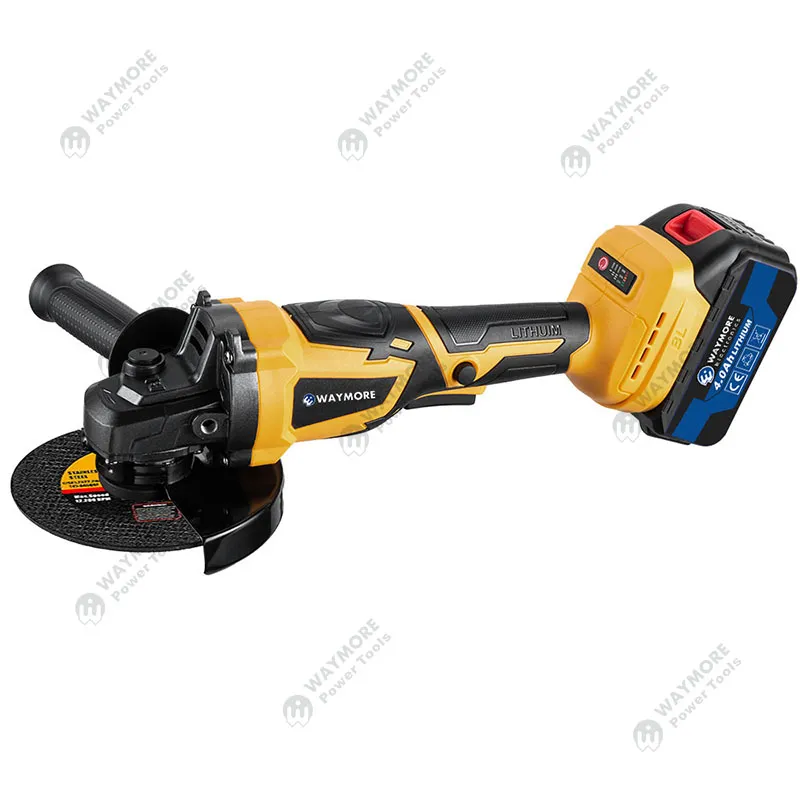
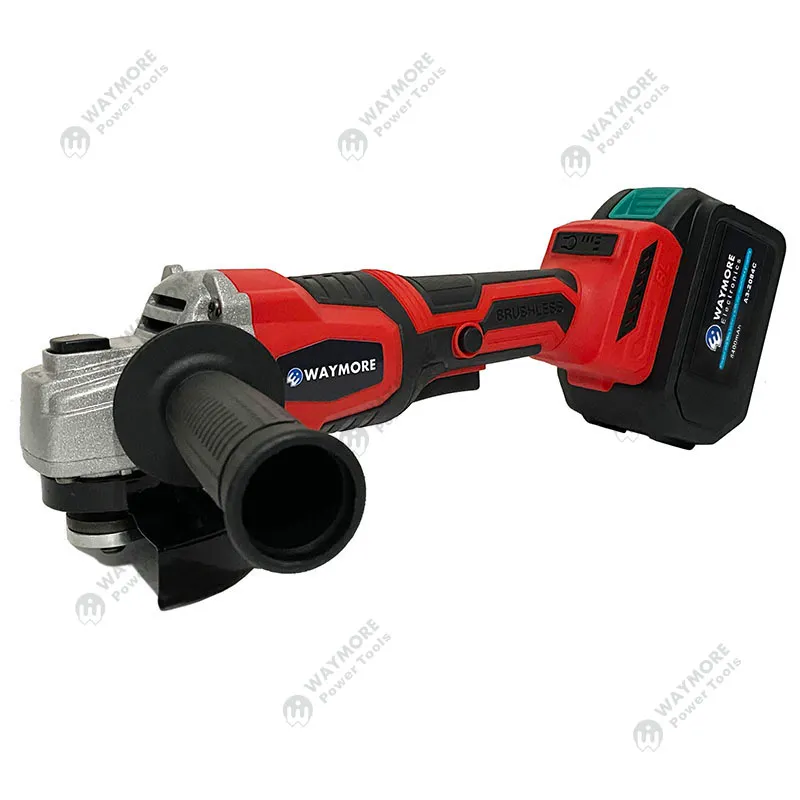
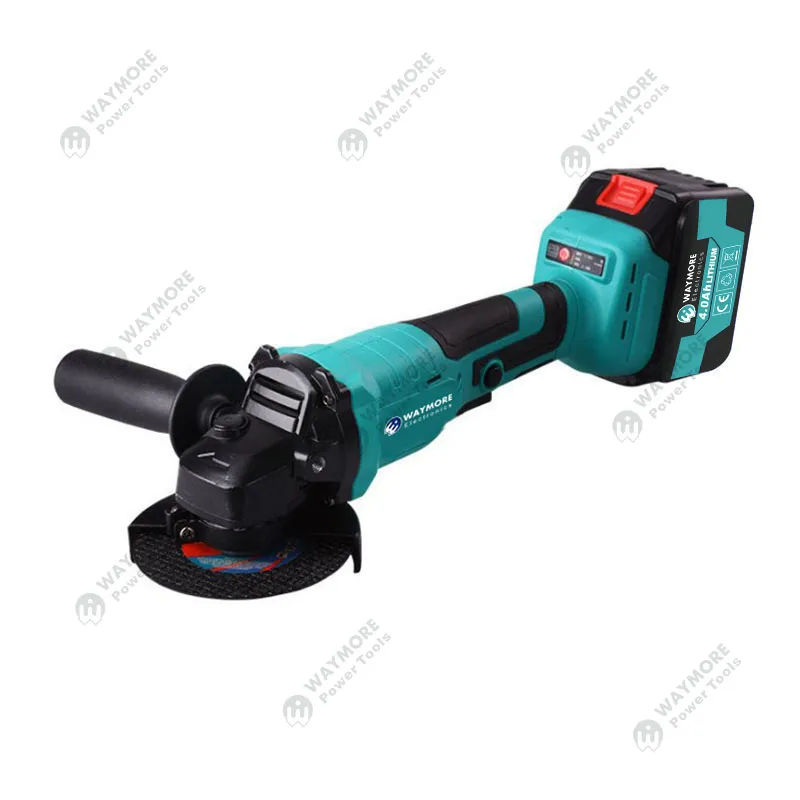
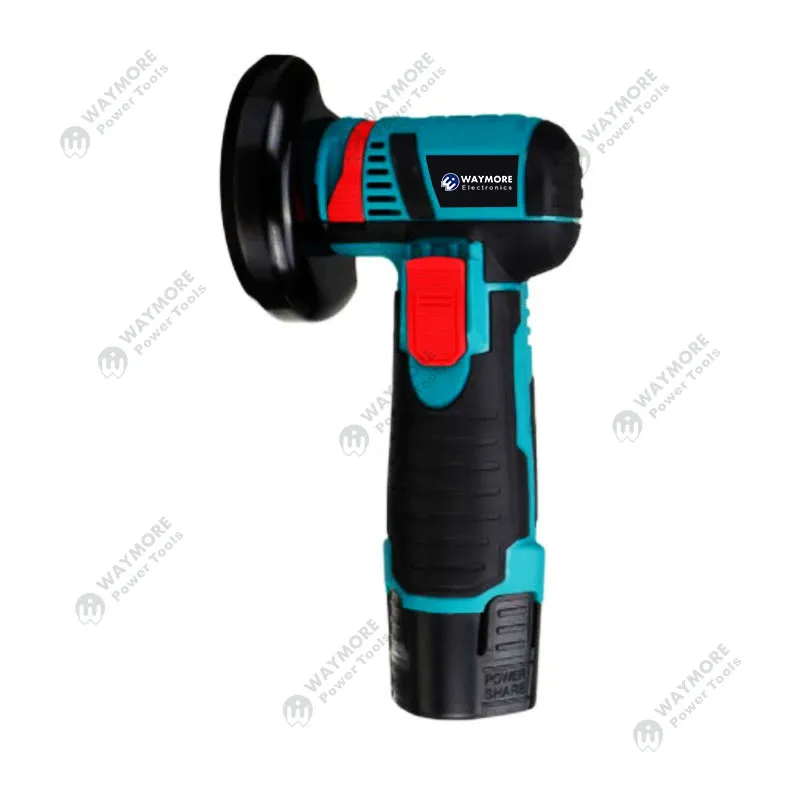
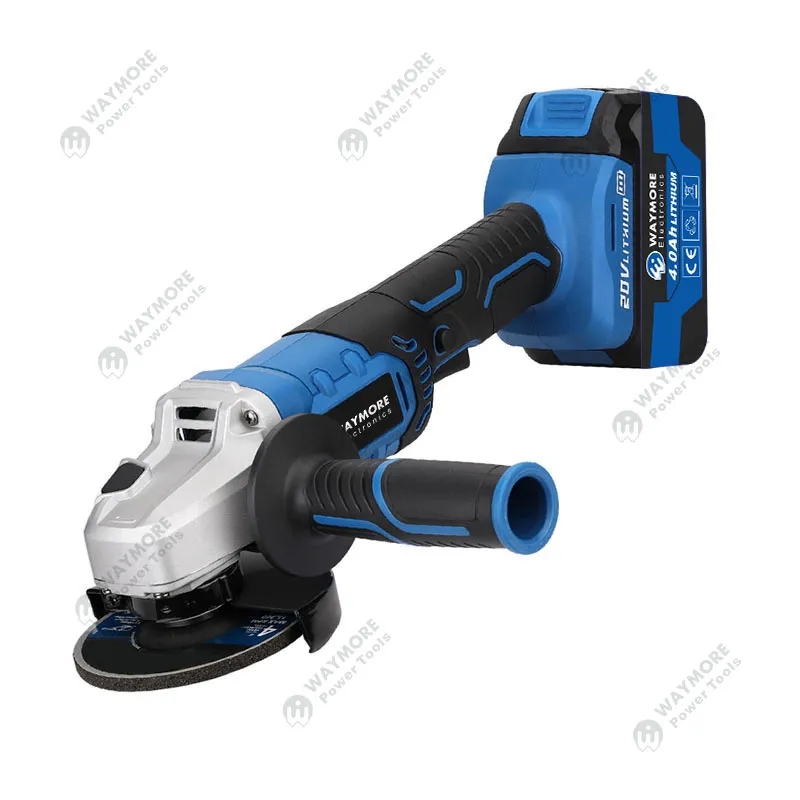
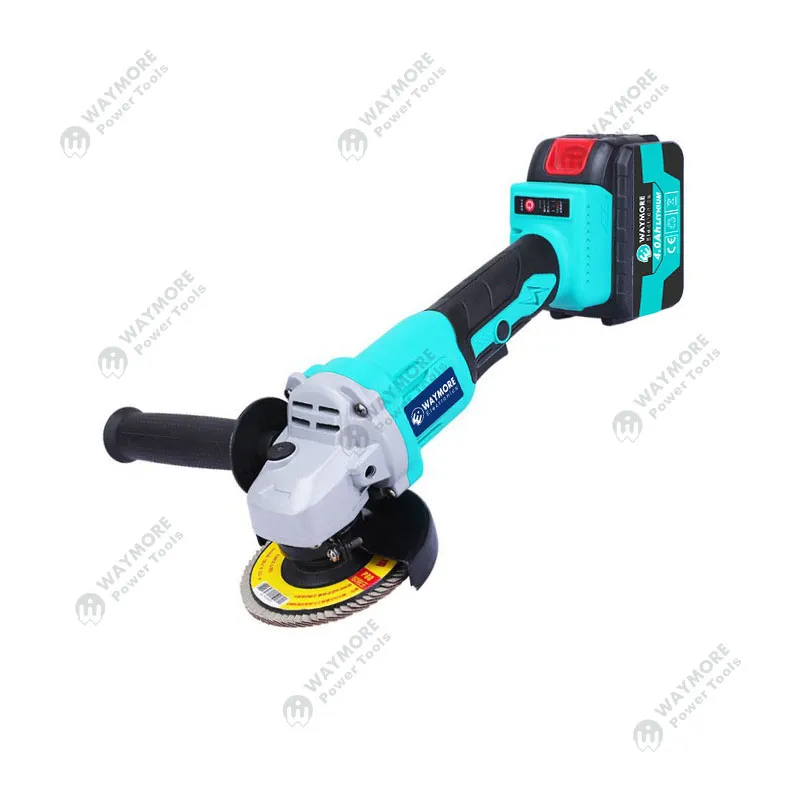
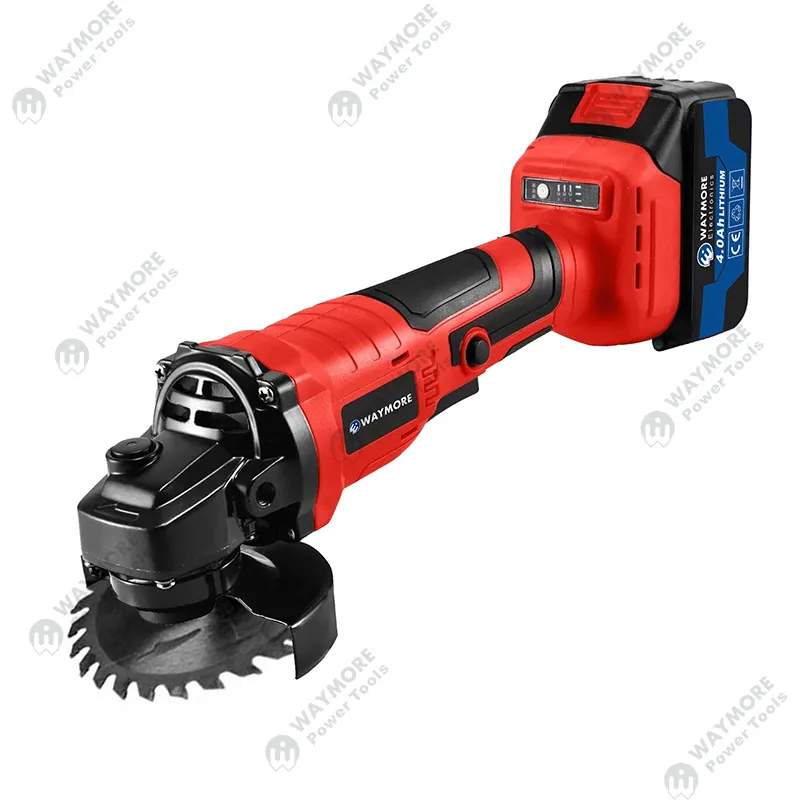
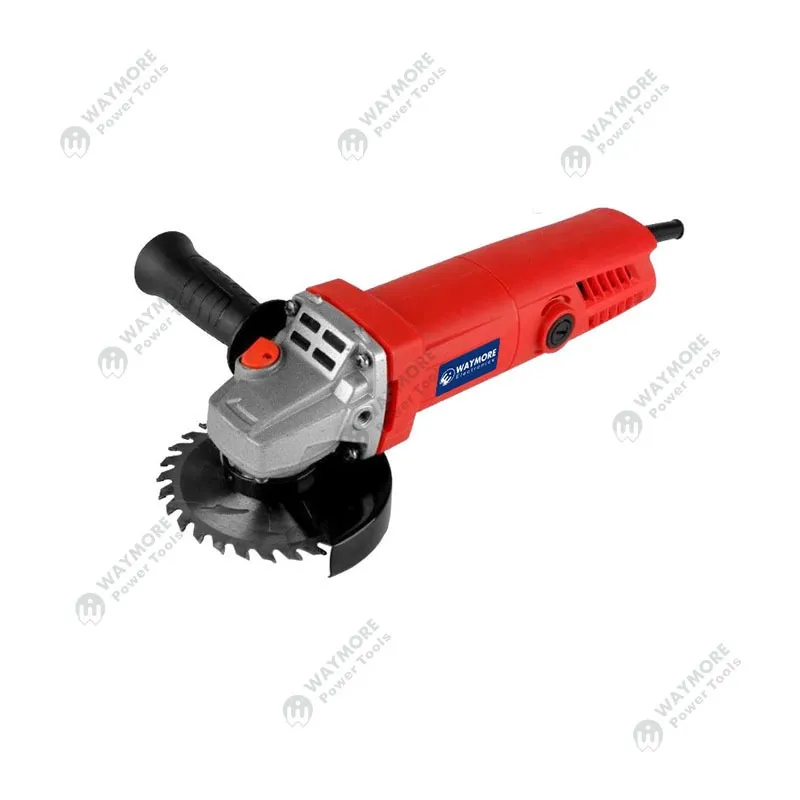
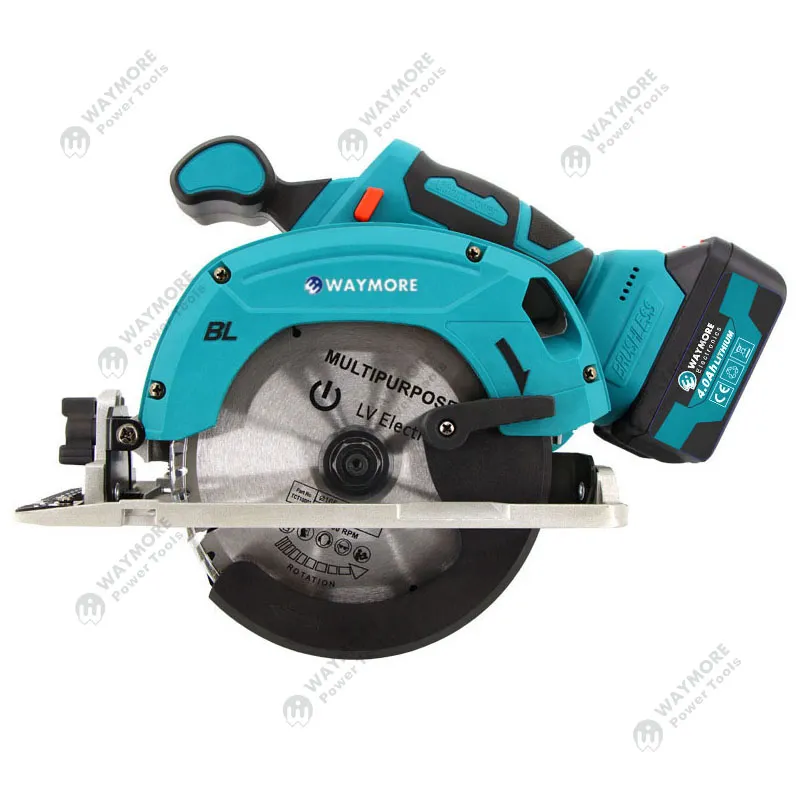
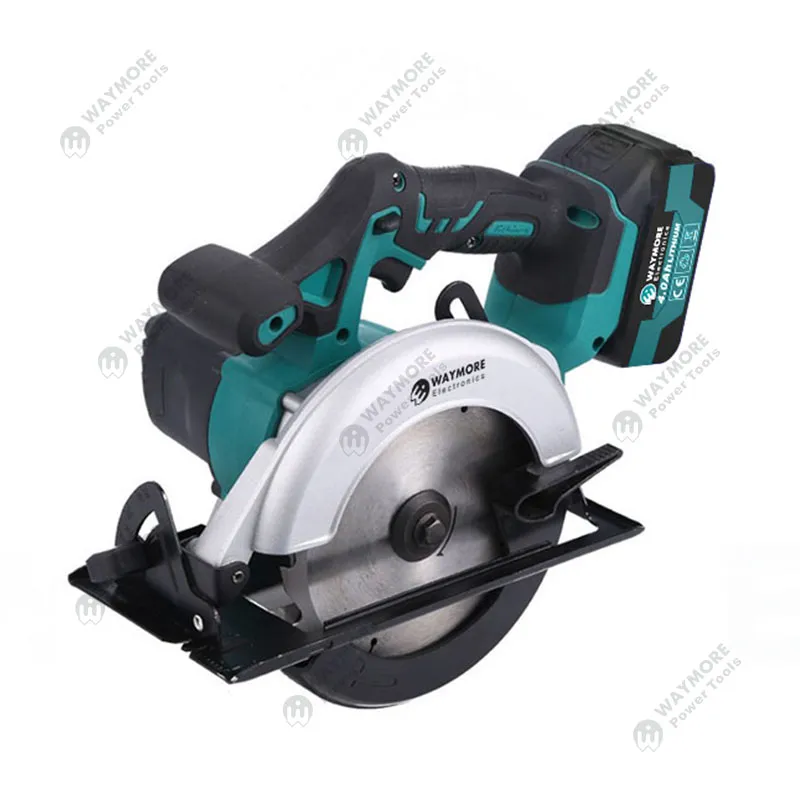
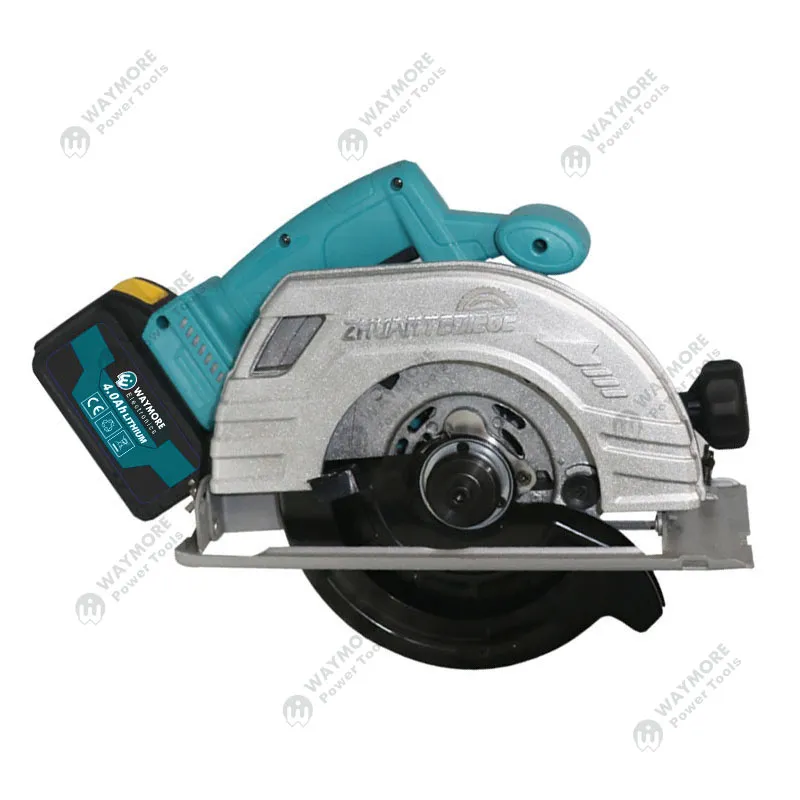
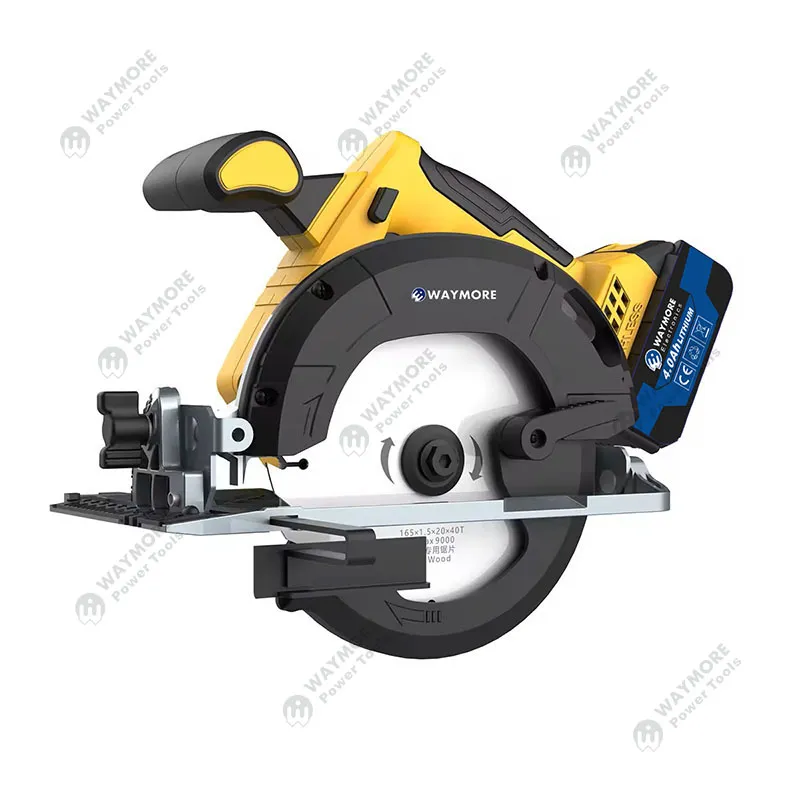
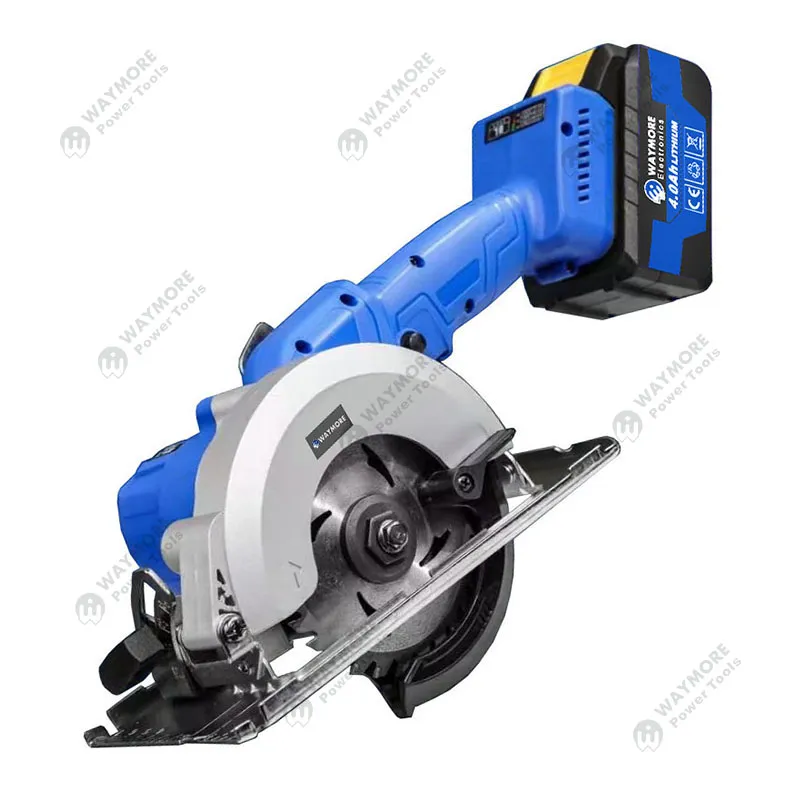
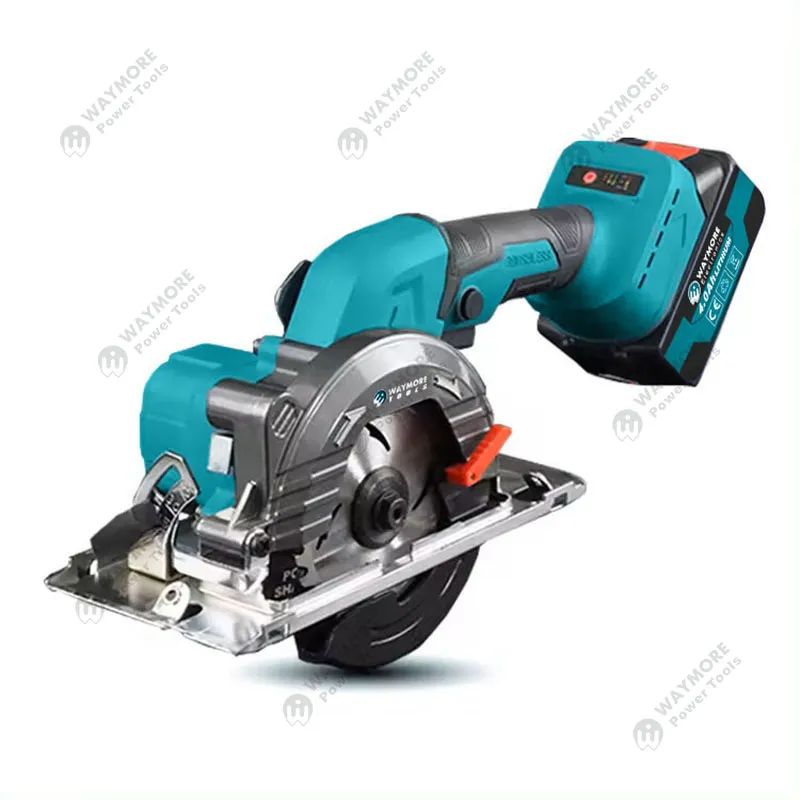
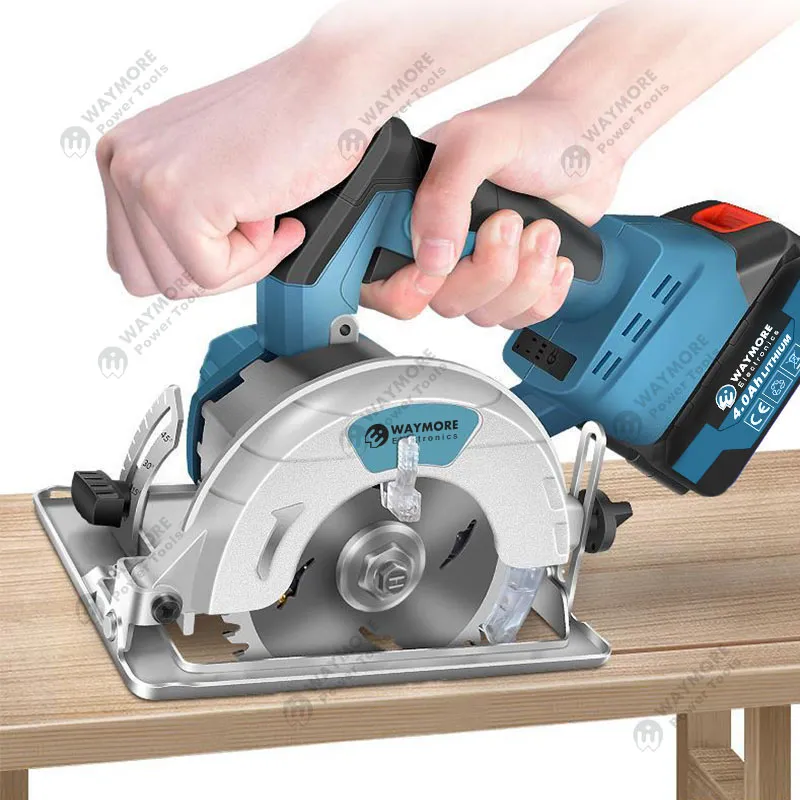
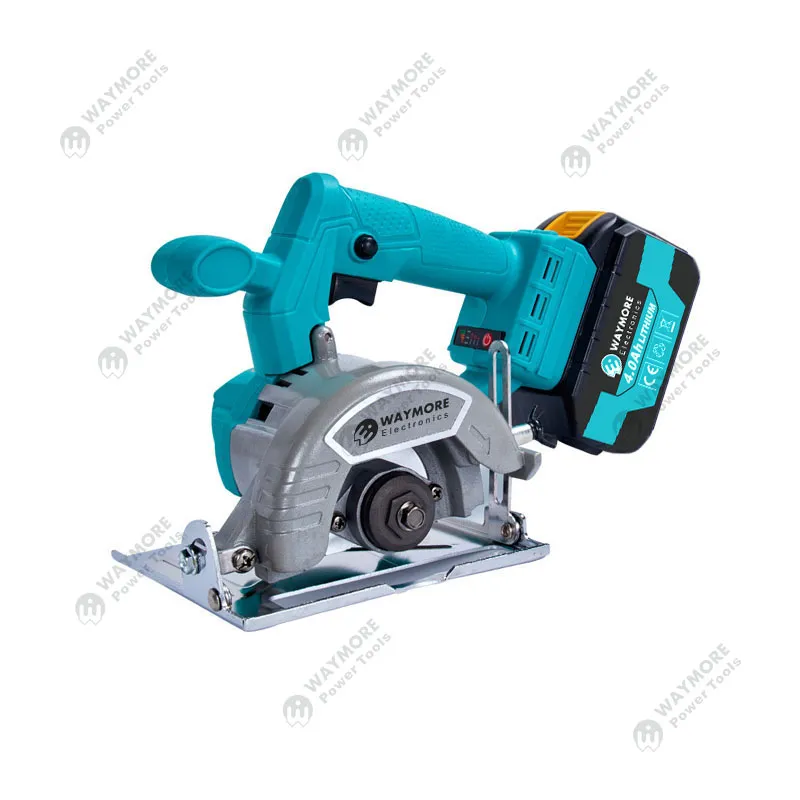
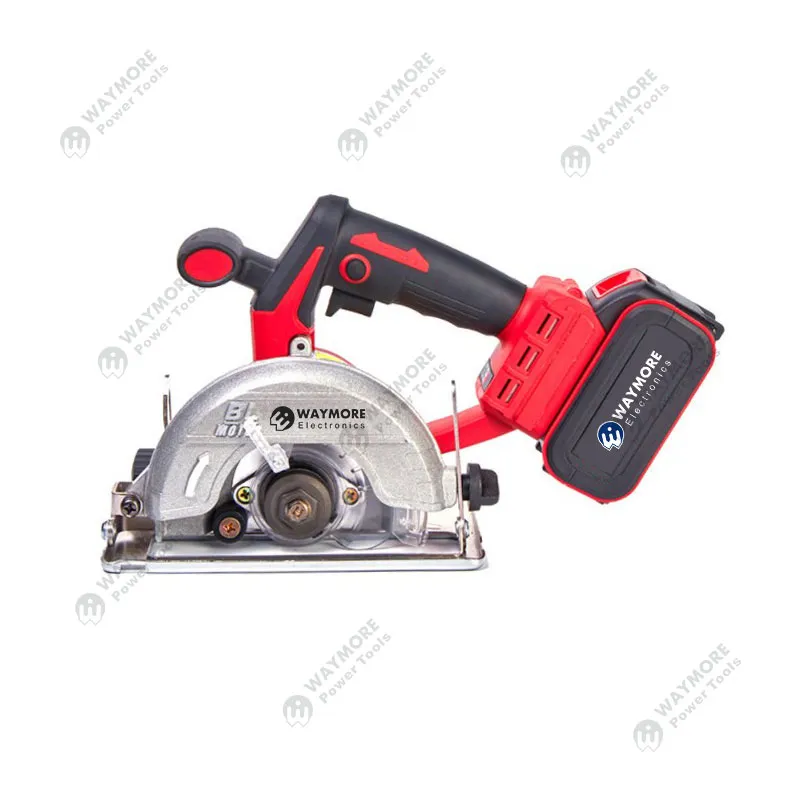
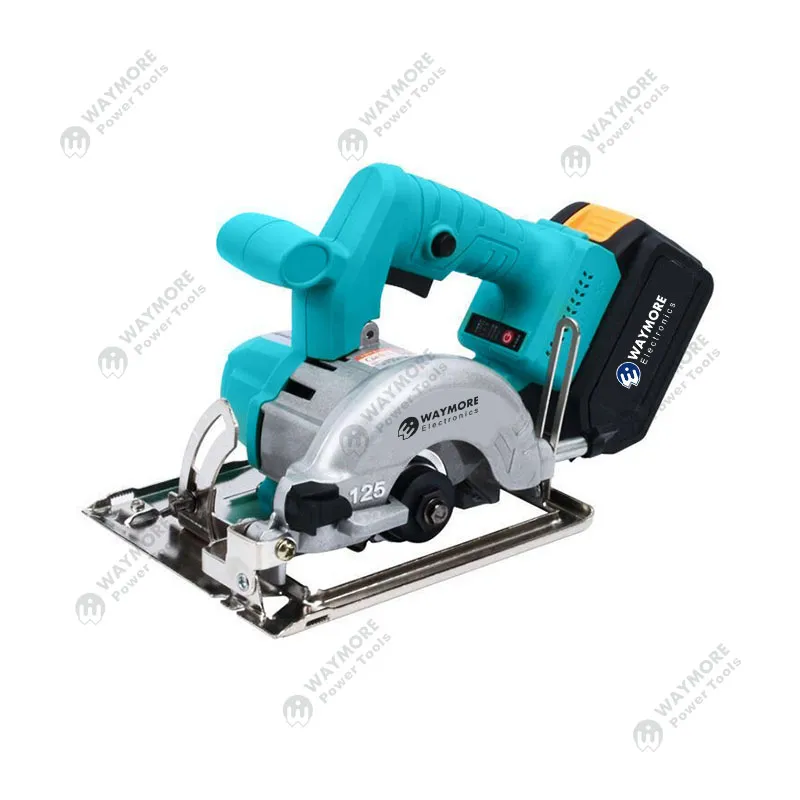
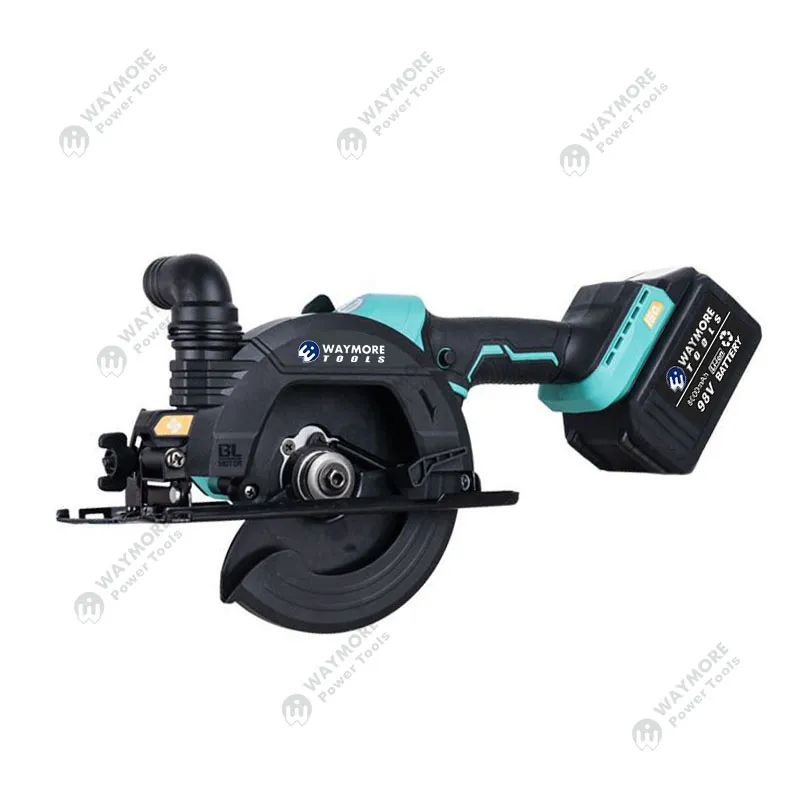
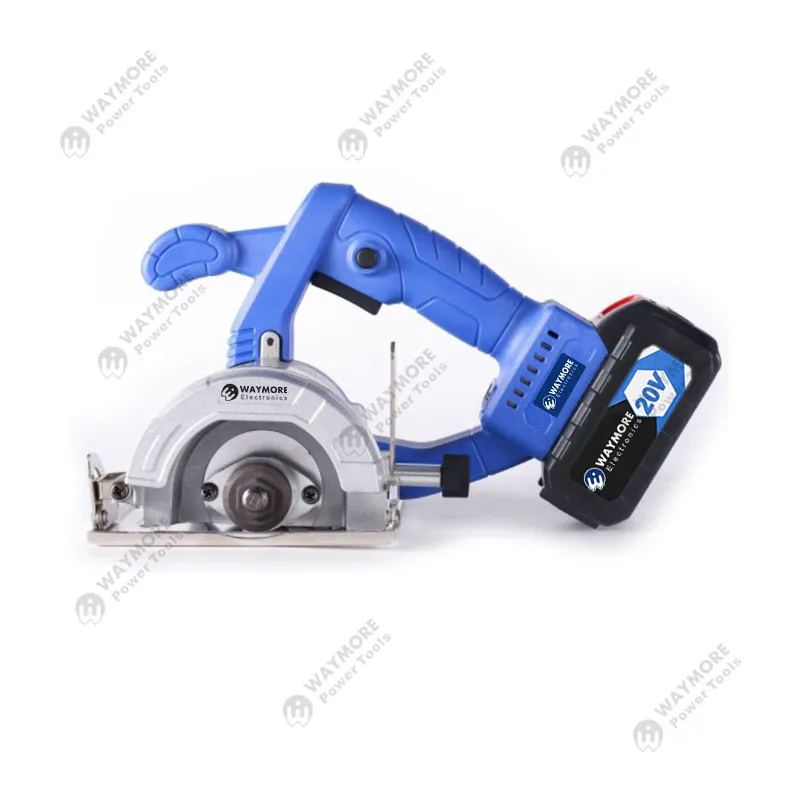
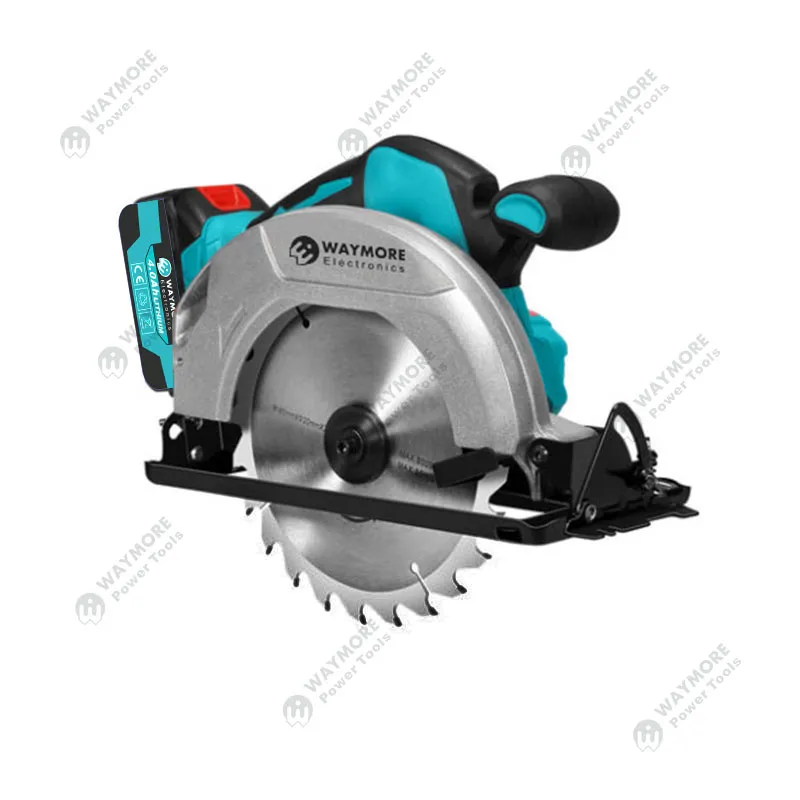
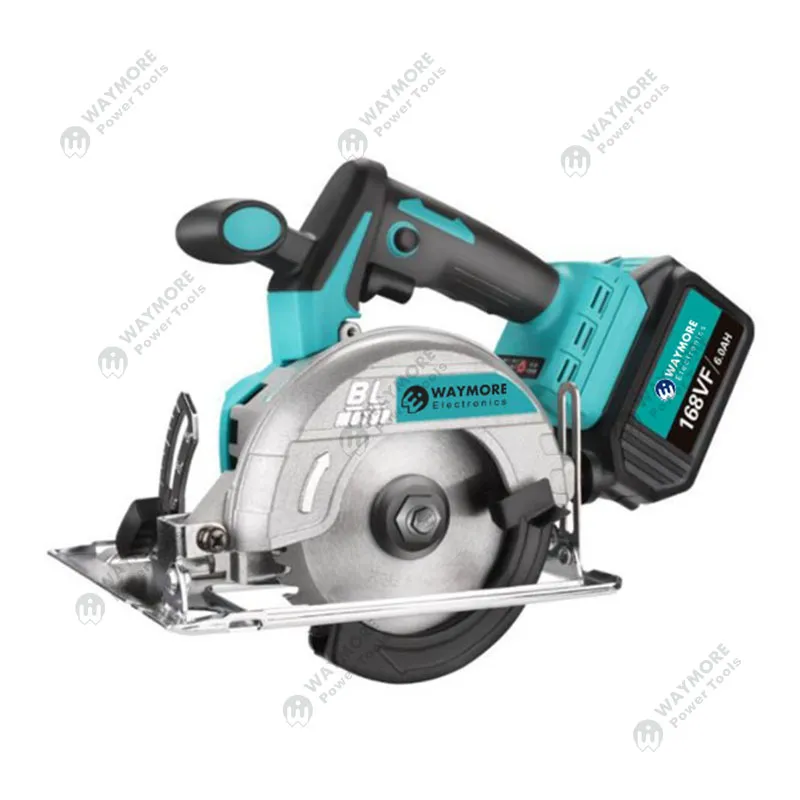
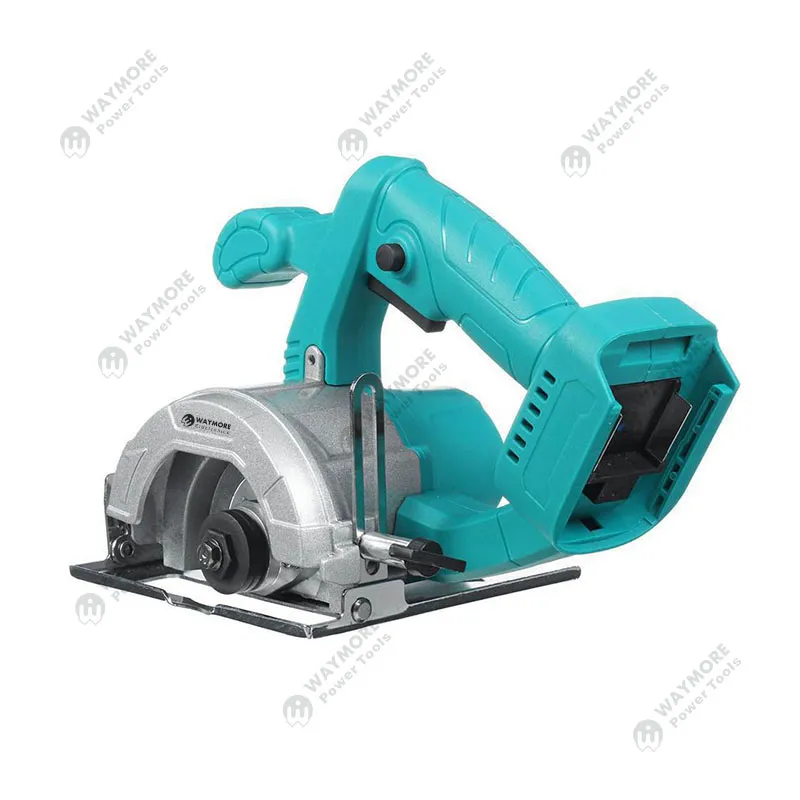
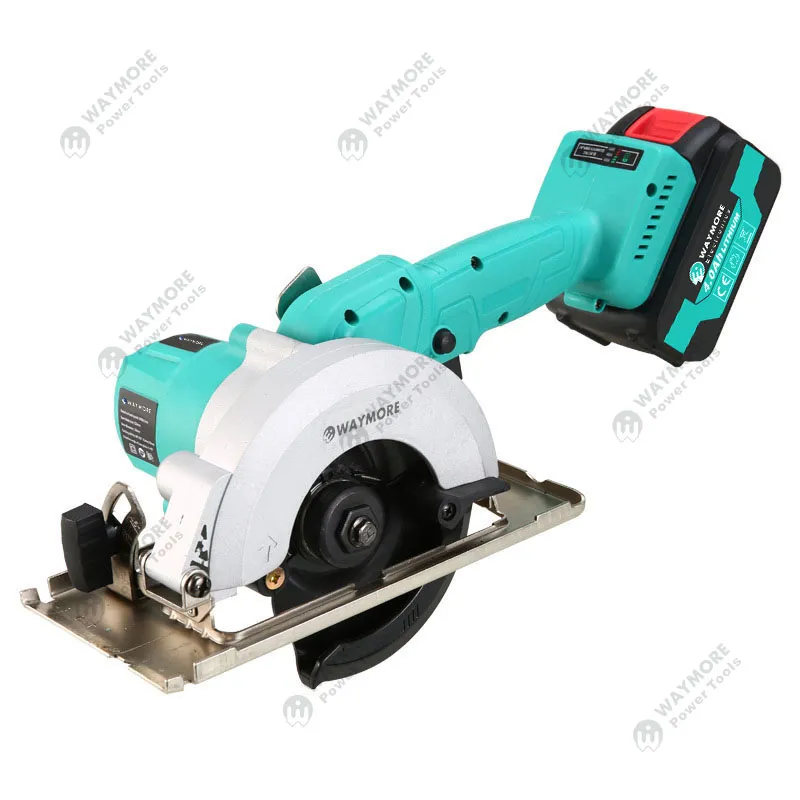
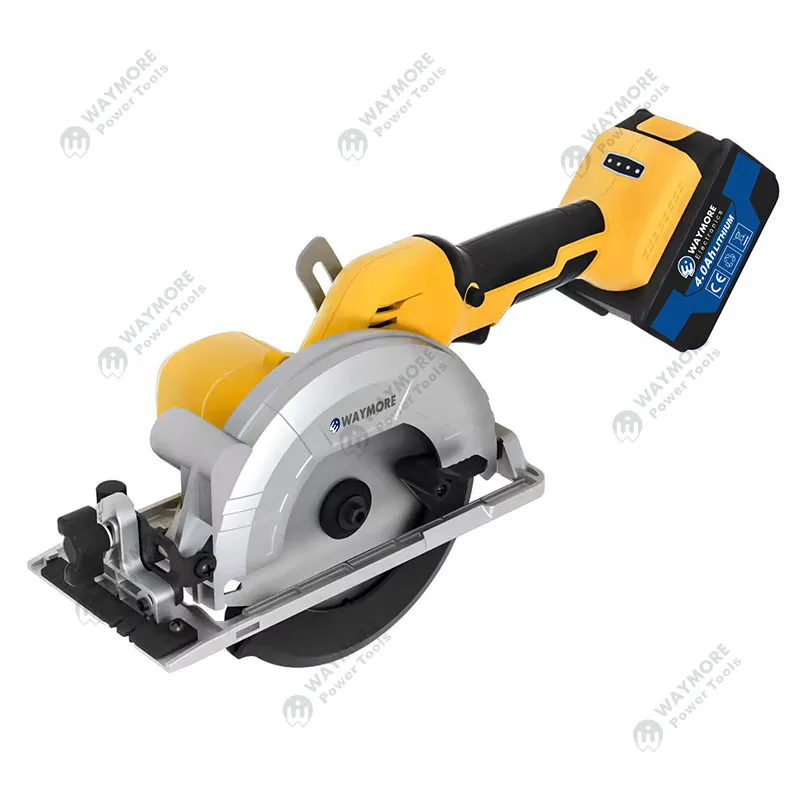
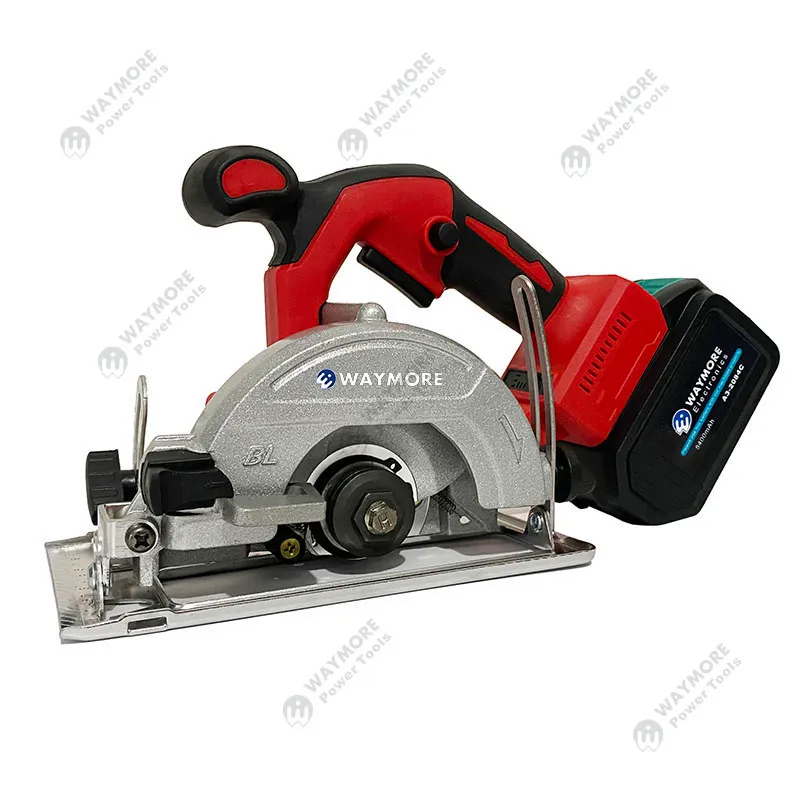
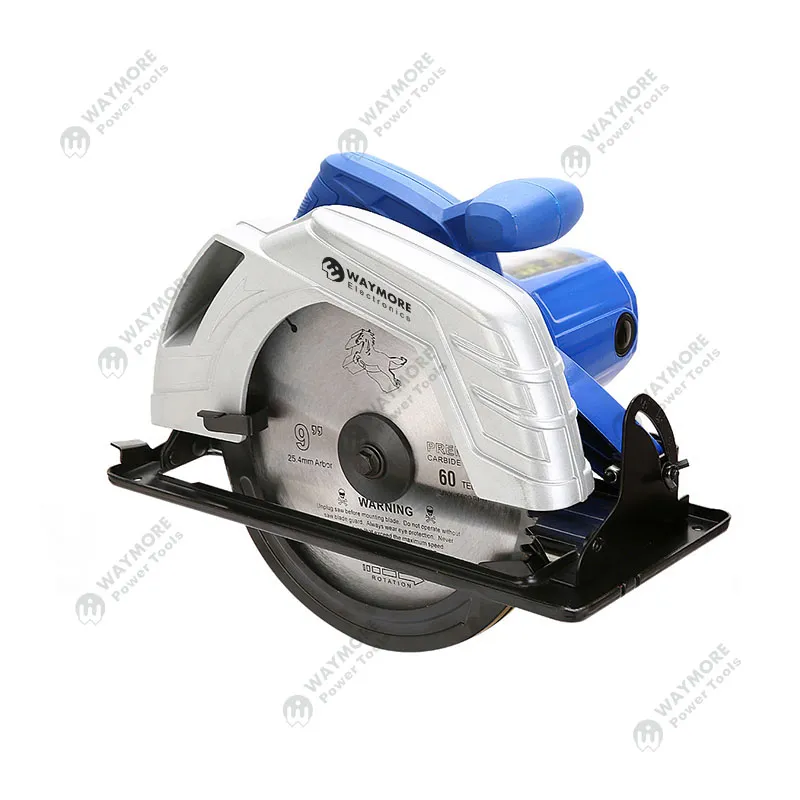
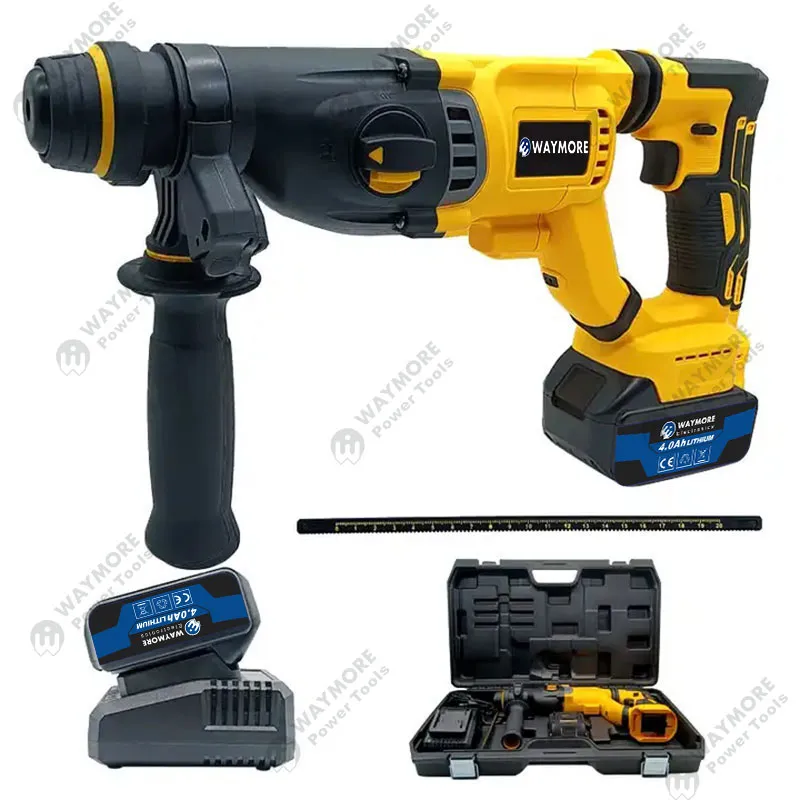
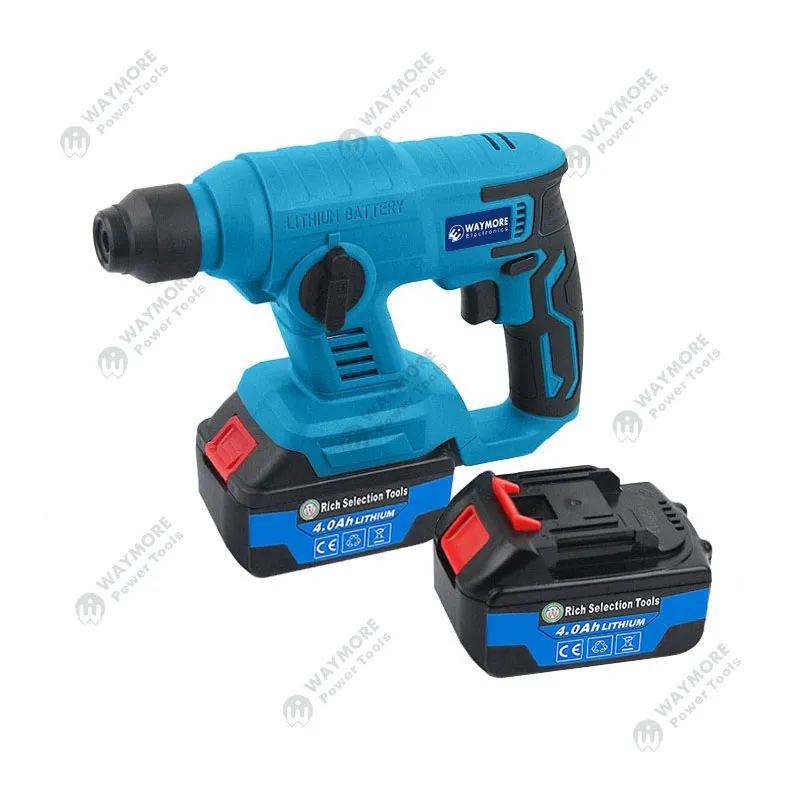
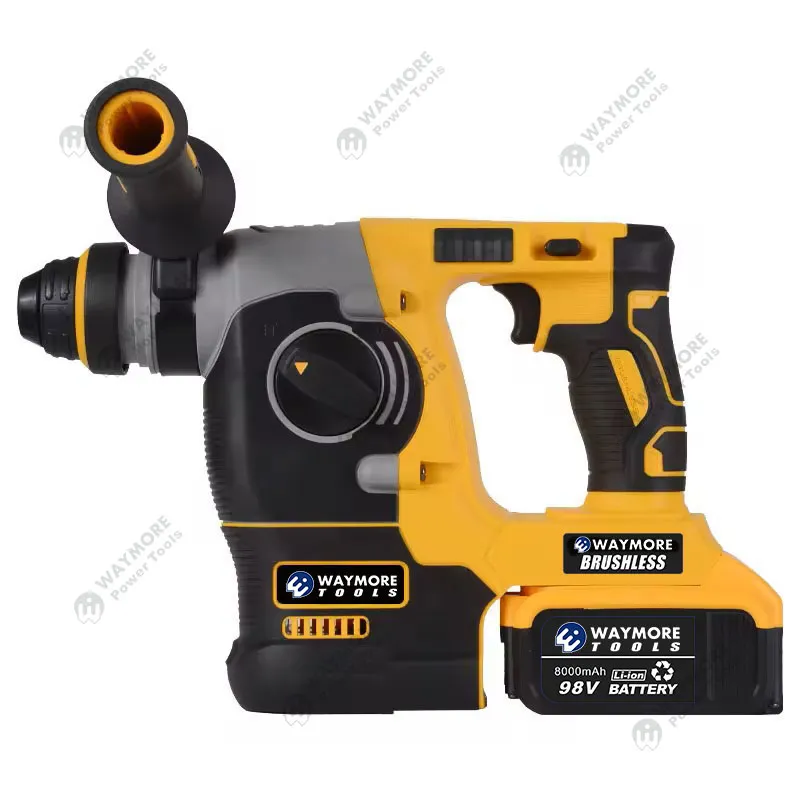
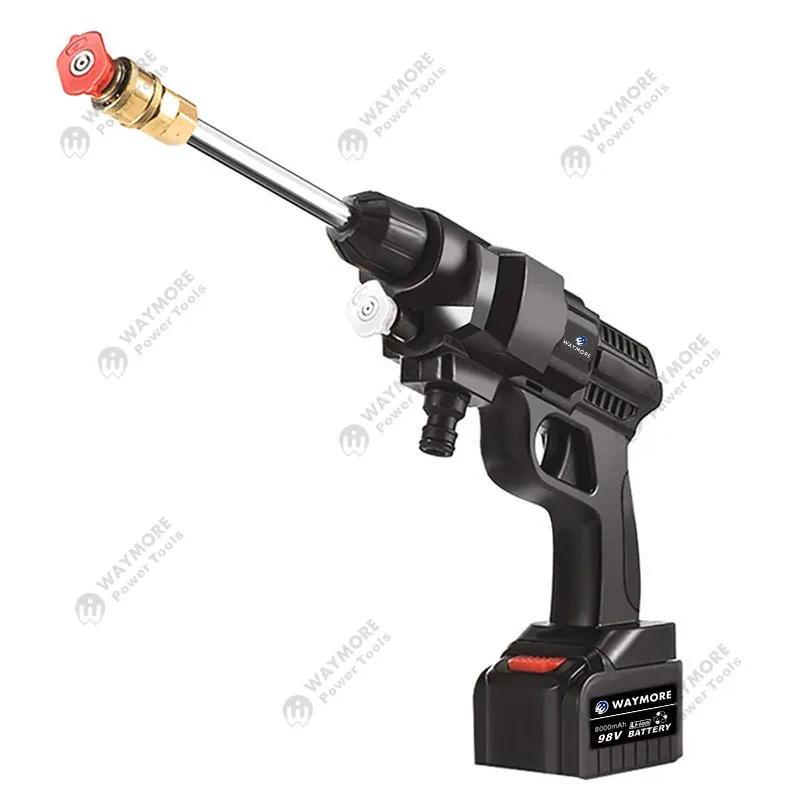
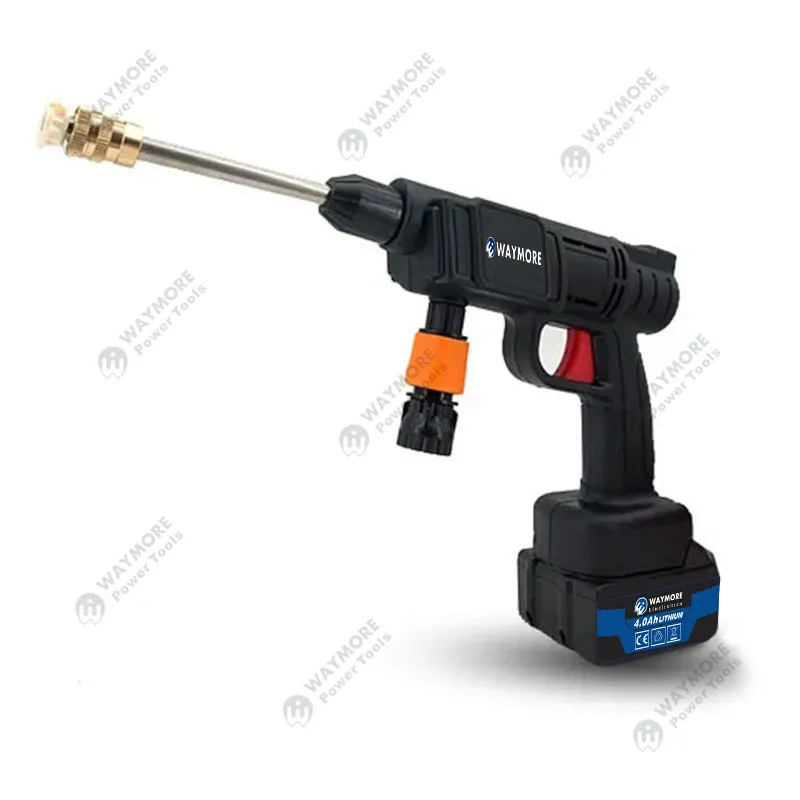
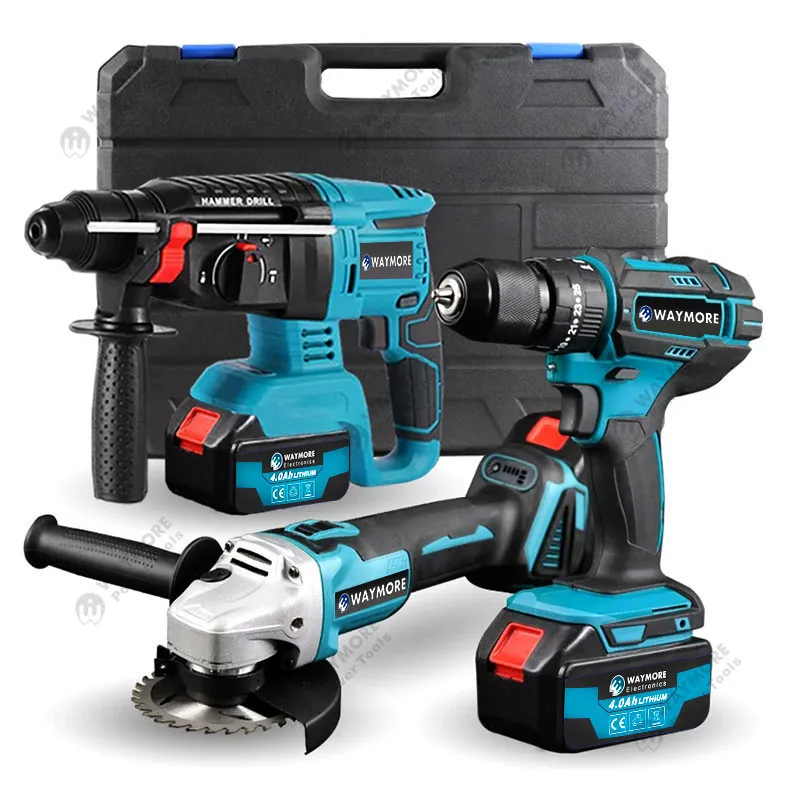
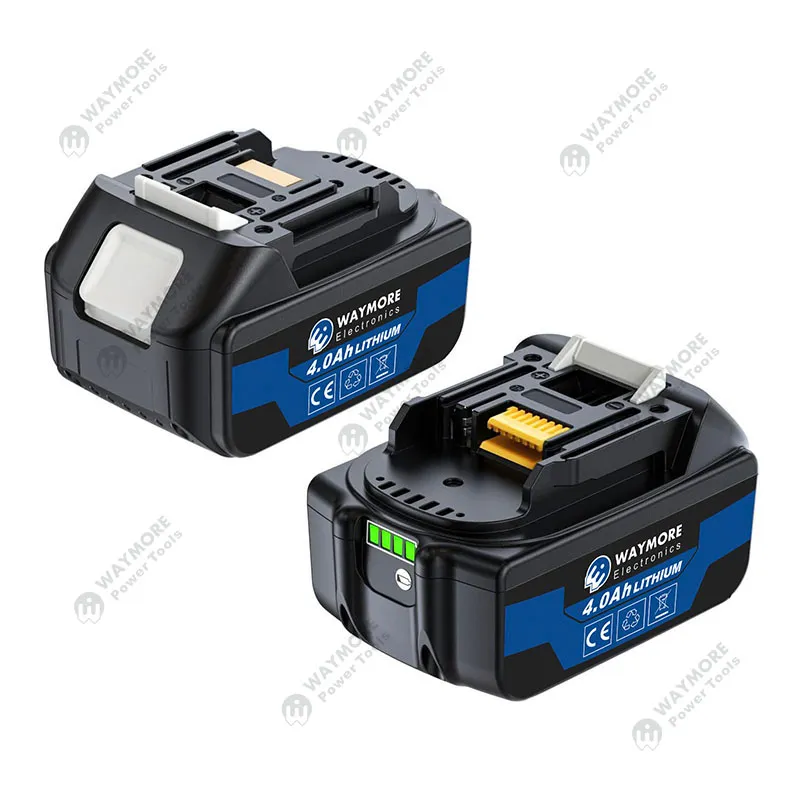
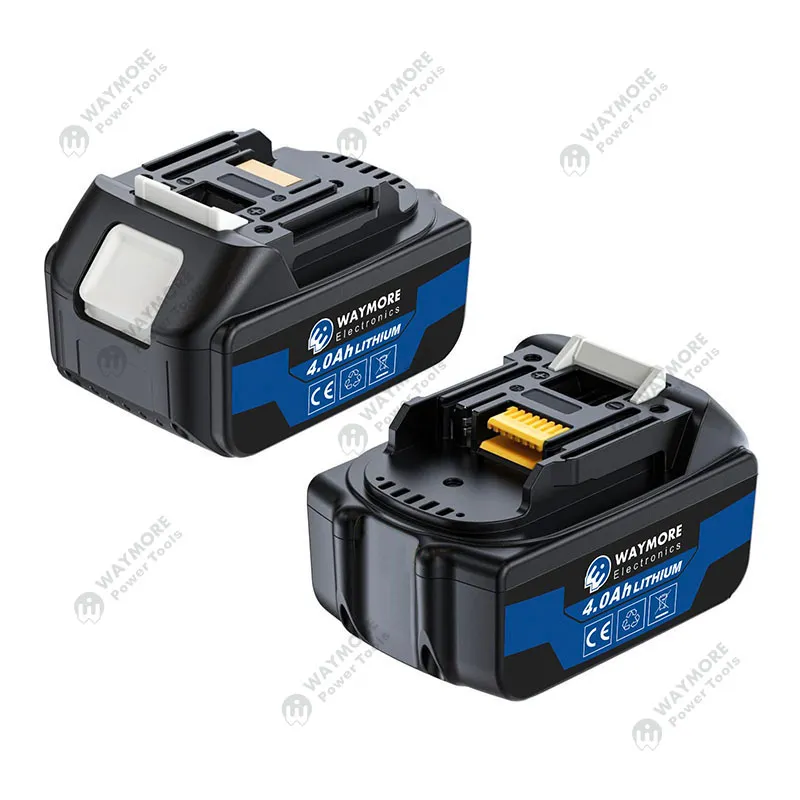
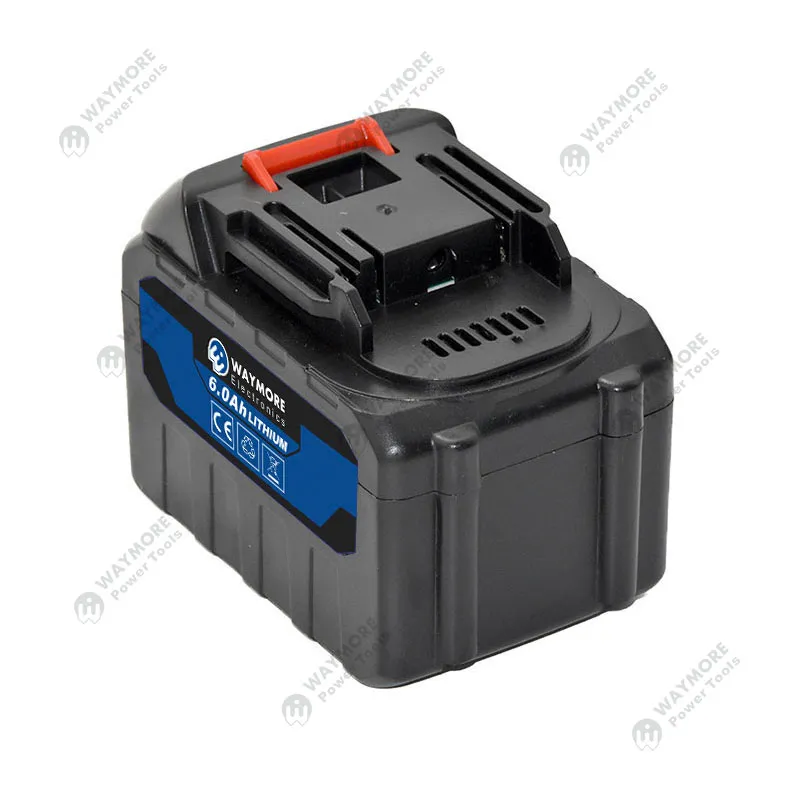
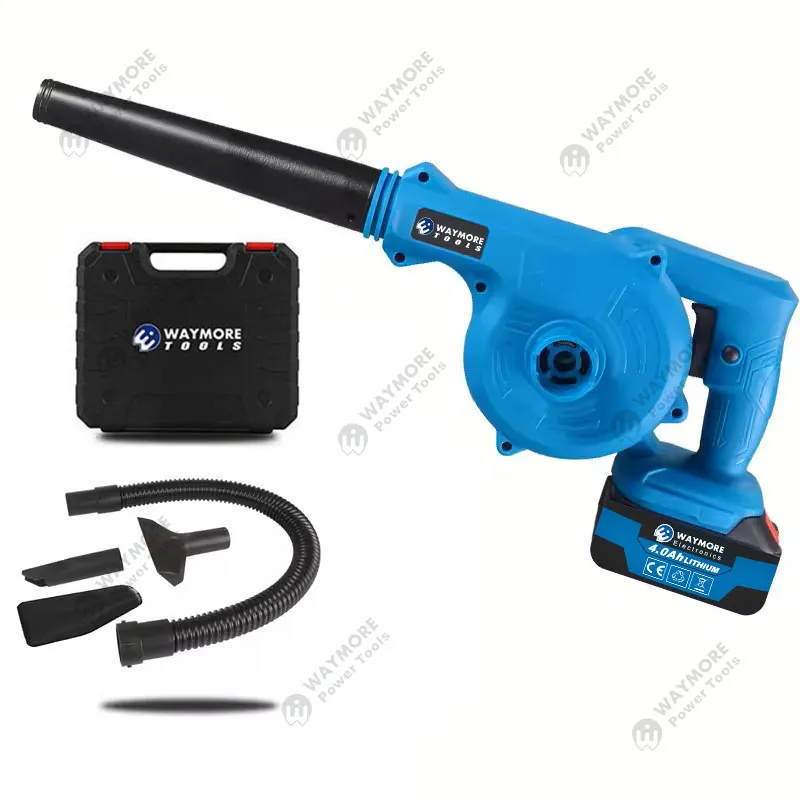
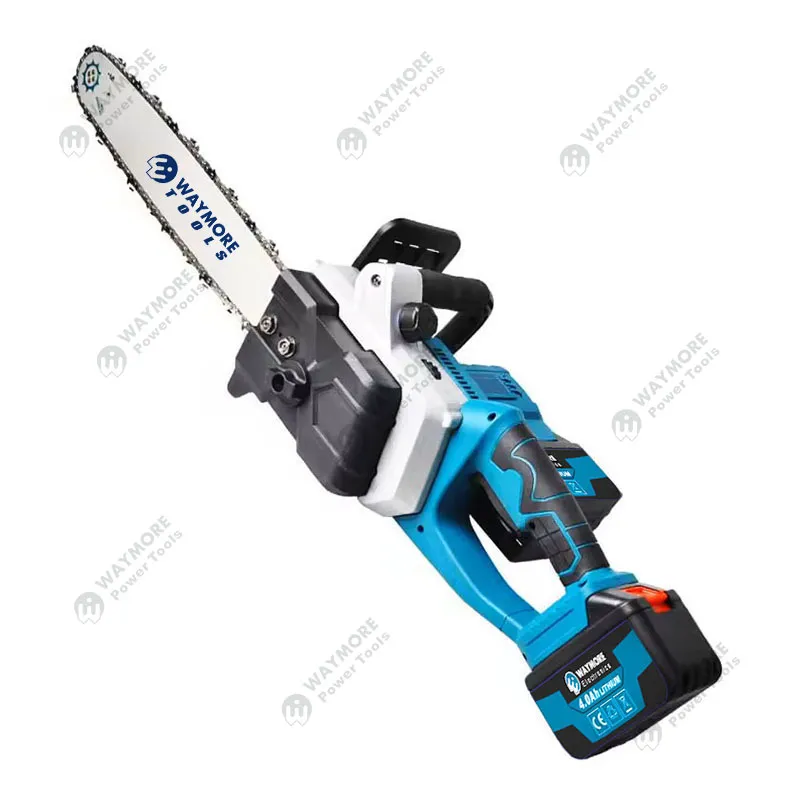
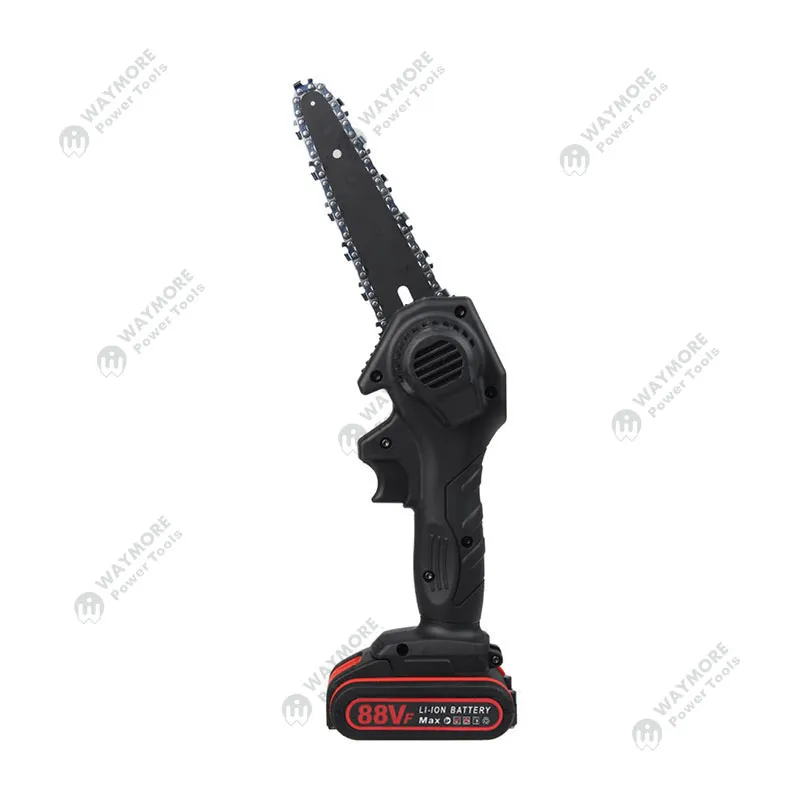
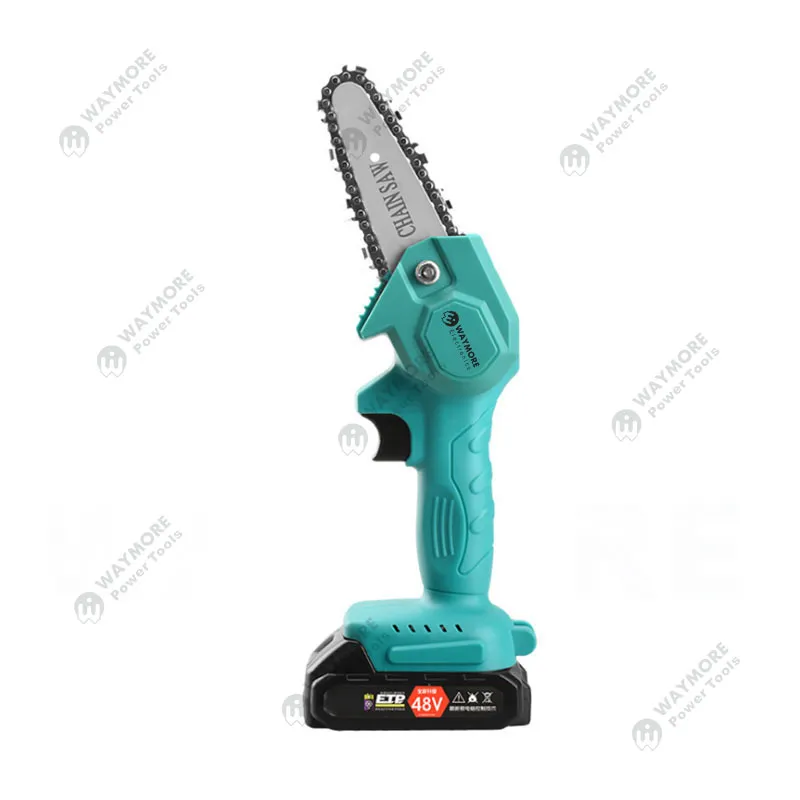
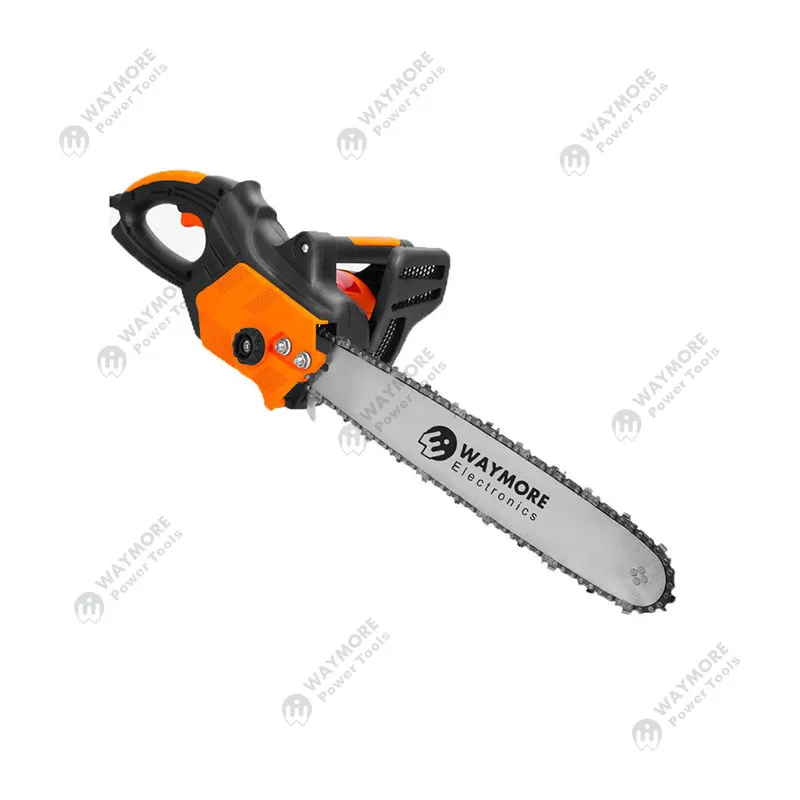
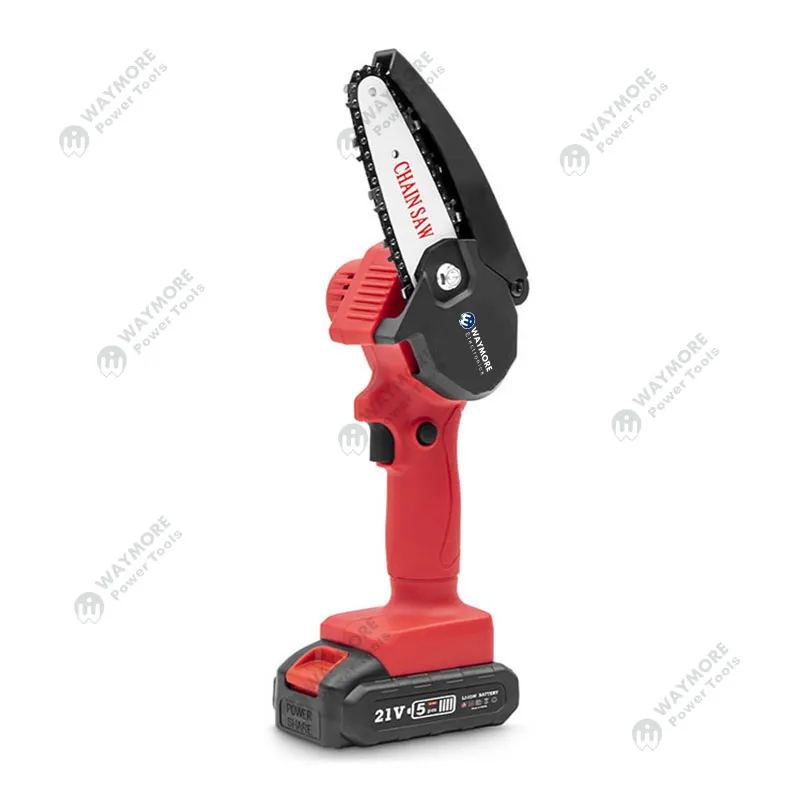
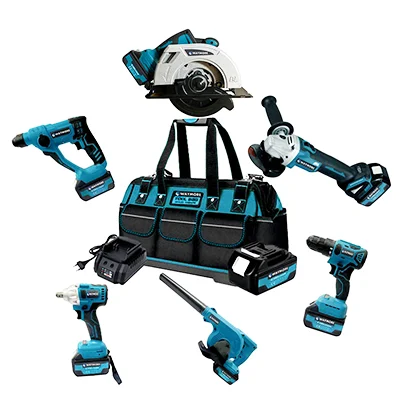
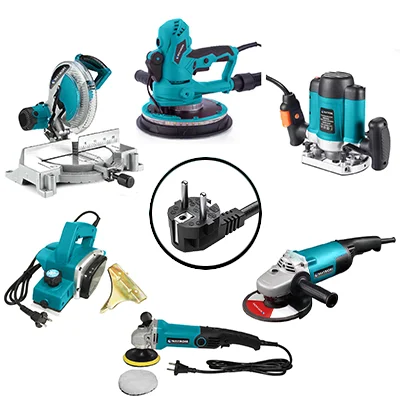
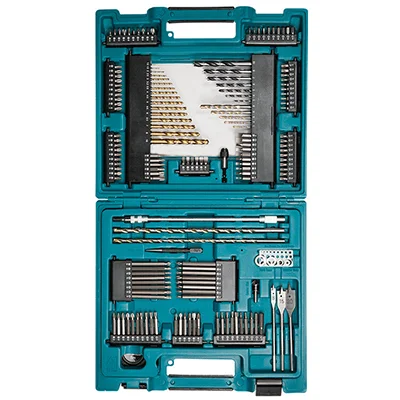
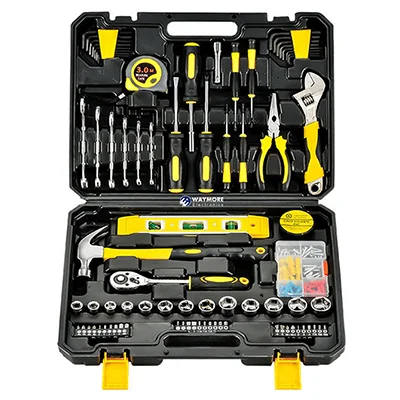
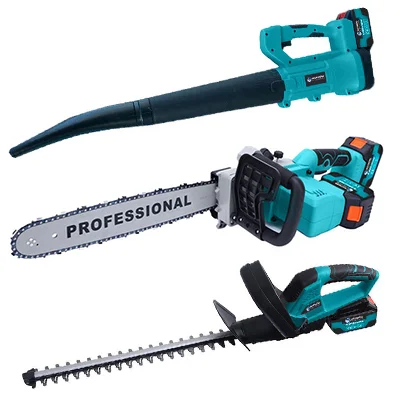
Lithium iron phosphate batteries are ideal for situations where high energy density is not required. For example, they are well-suited for energy storage systems that do not need to be mobile, such as stationary energy storage installations. In addition, they are used in tools and devices that require durability rather than extreme energy output, such as electric power tools and backup energy systems.
These applications ensure that lithium iron phosphate batteries will continue to play a key role in the energy and tools market for years to come.
Comparison with Other Battery Technologies
Even as new battery technologies like semi-solid and solid-state batteries become available, they do not necessarily render lithium iron phosphate obsolete. There are several reasons for this, including cost, performance, and longevity.
Cost
As mentioned earlier, lithium iron phosphate batteries have a significant cost advantage over newer battery types. This is especially important for industries that prioritize affordability over cutting-edge performance. While solid-state and semi-solid batteries may eventually offer improved energy density, they are expected to remain significantly more expensive for the foreseeable future.
Life Span
Another important factor is the life span of different battery technologies. While newer batteries promise advancements in energy density, their longevity is not always superior to that of lithium iron phosphate batteries. In fact, some studies suggest that semi-solid and solid-state batteries may have shorter life spans in certain applications.
Energy Density vs. Use Cases
Lithium iron phosphate batteries may not match the energy density of newer batteries, but they do not need to in many use cases. For applications that do not require high energy density, such as stationary energy storage or low-power tools, lithium iron phosphate batteries offer an ideal balance of cost, safety, and performance.
Temperature Sensitivity and Performance
One of the few drawbacks of lithium iron phosphate batteries is their sensitivity to temperature changes. Their performance can degrade in colder climates, which may limit their effectiveness in certain environments.
For example, at 0 degrees Celsius, the performance of a lithium iron phosphate battery may degrade by approximately 10%. When the temperature drops to -10 degrees Celsius, performance degradation can reach 20%. At -20 degrees Celsius, the battery may lose up to 30% of its capacity.
Despite this drawback, lithium iron phosphate batteries are still widely used in many industries, as their overall advantages often outweigh these temperature limitations. Moreover, advancements in battery management systems (BMS) can help mitigate some of the performance losses in colder climates.
Conclusion
Lithium iron phosphate batteries have proven themselves to be a durable, reliable, and cost-effective energy storage solution. Their advantages in terms of safety, longevity, and affordability make them a valuable asset in a variety of applications.
While newer battery technologies like semi-solid and solid-state batteries are on the horizon, lithium iron phosphate batteries are unlikely to be eliminated anytime soon. Their unique properties ensure they will continue to be used in scenarios where high energy density is not required, especially in industries that prioritize safety, cost-efficiency, and durability.
Whether you're involved in energy storage, electric tools, or other industries that rely on batteries, lithium iron phosphate remains a solid choice for the future. With ongoing improvements in technology and manufacturing processes, this type of battery will continue to play an important role for at least the next 20 years.
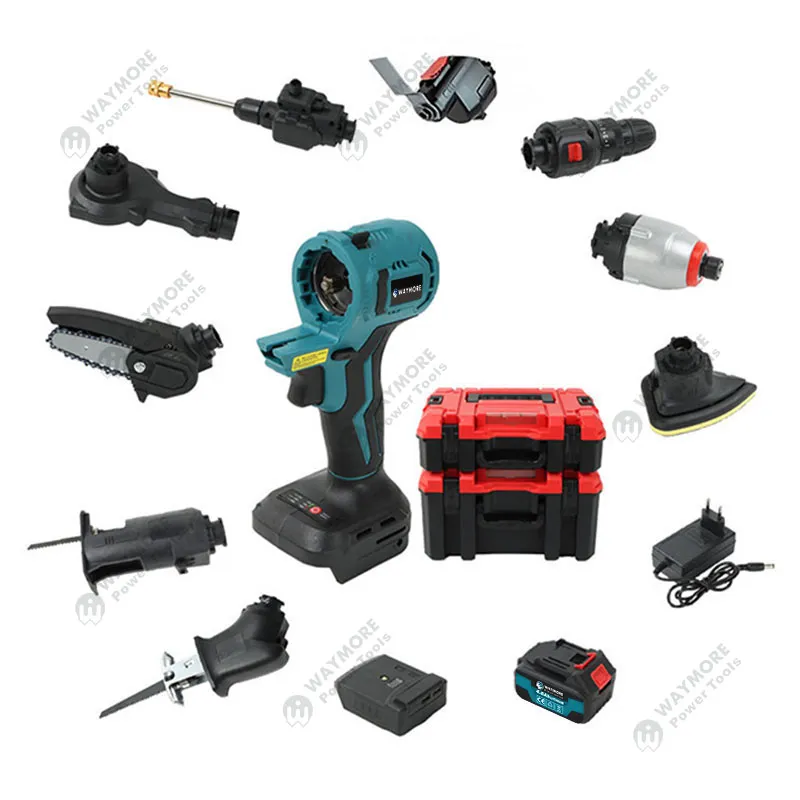
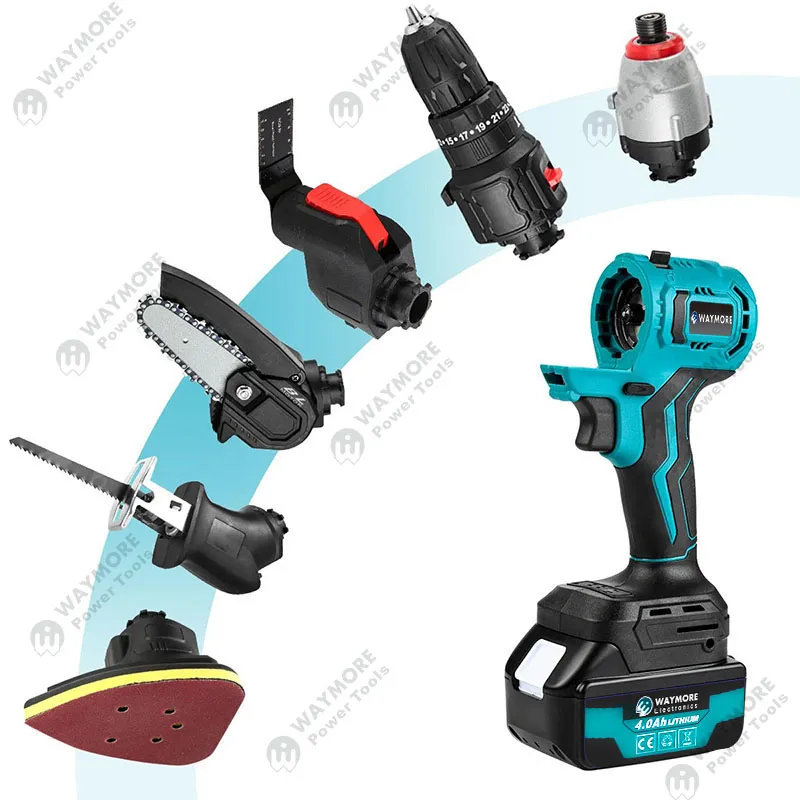
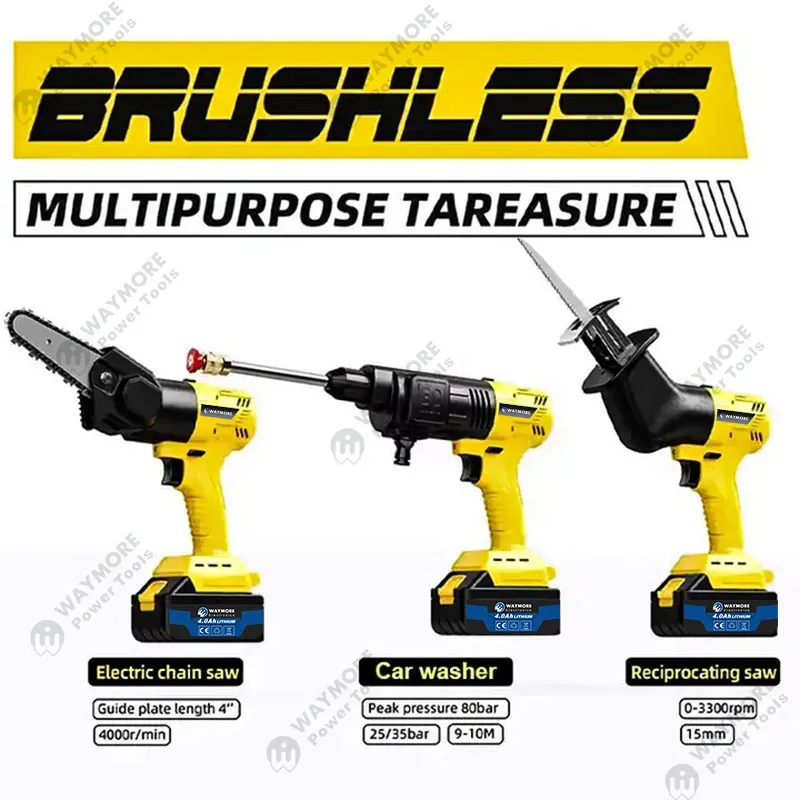
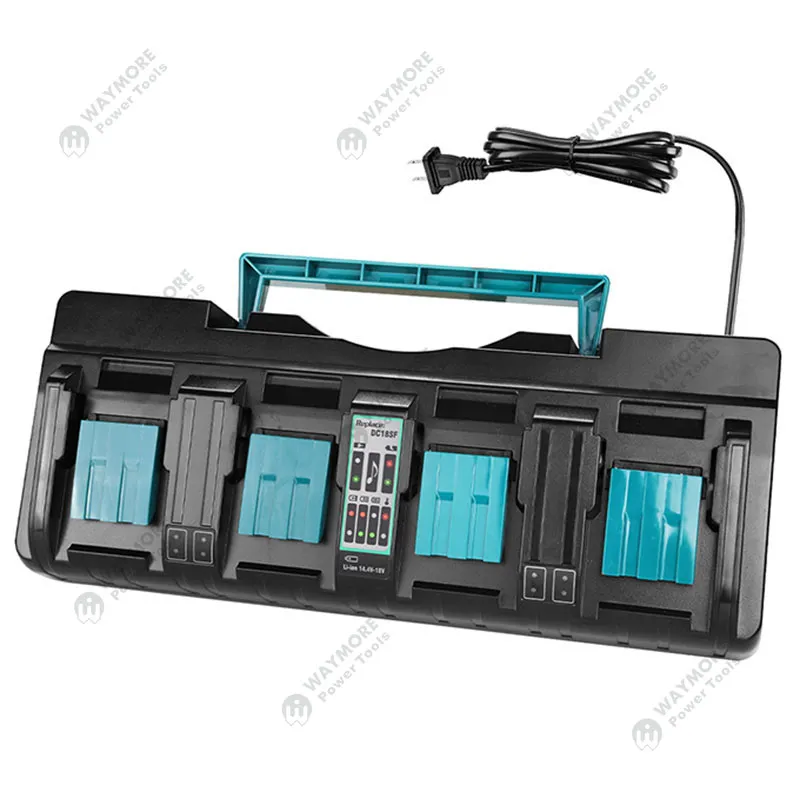
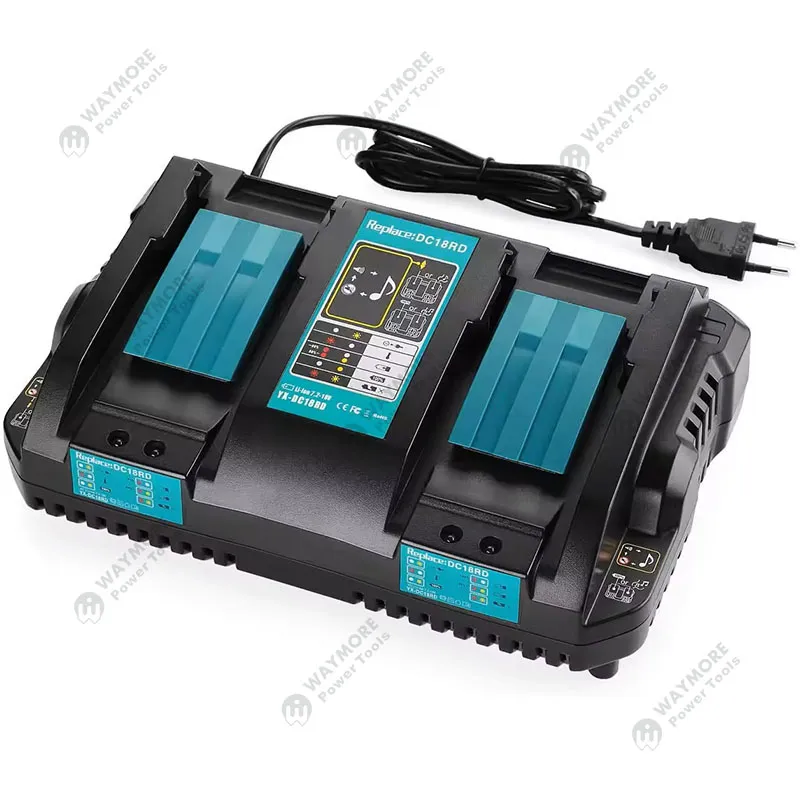
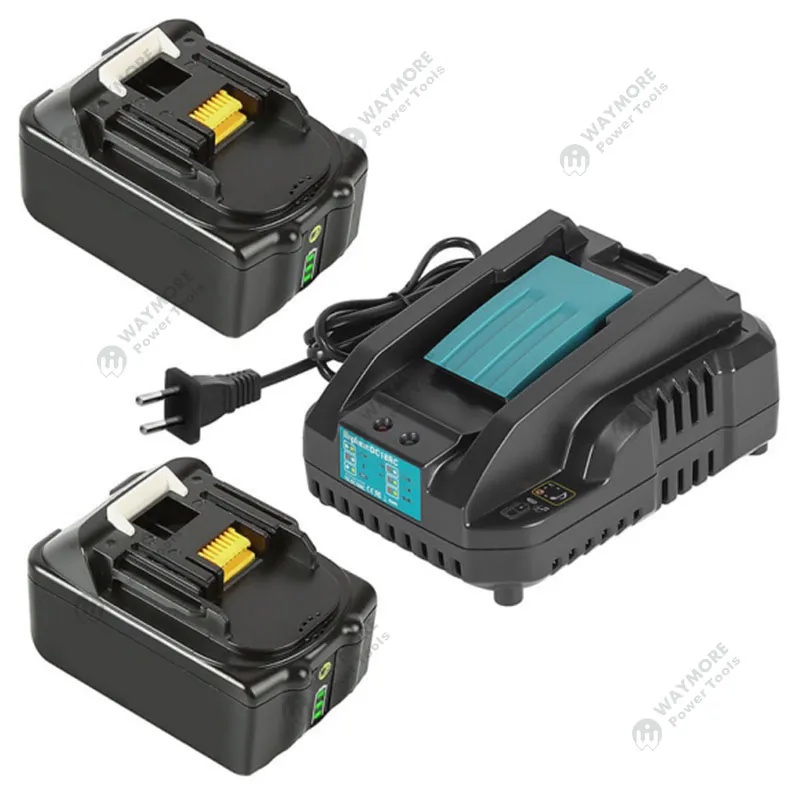
Our company specializes in high-quality lithium battery tools. If you are looking to purchase in bulk and expand your market, we welcome you to explore our range of products. Thank you for your trust and support!
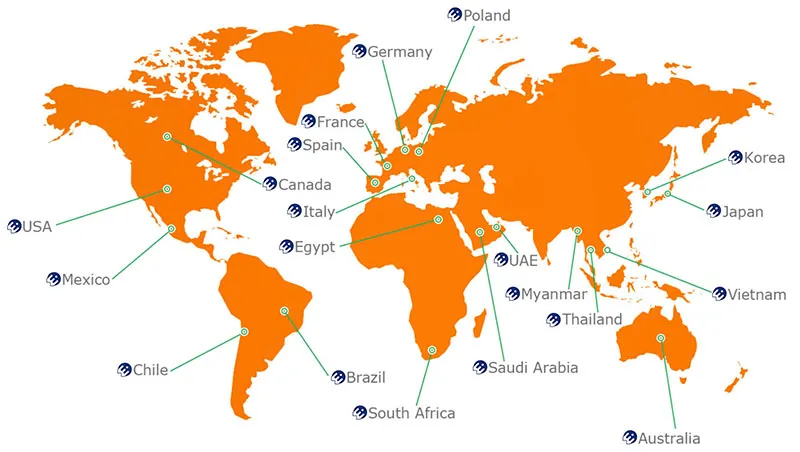
As our company continues to participate in this grand event, we remain committed to offering the best power tools and machinery solutions to meet the needs of our global partners. Whether you are a wholesaler, importer, or distributor, we are ready to collaborate and support your business growth.
If you are interested in our Power Tools, welcome to contact with us, and we are here to offer you best service and great products, thank you!
Contact: Daniel
Email: daniel@waymoretools.com
Website: www.waymoretools.com