Waymore Tools
Today's Insights: How improper tool storage can lead to accidents on the job site
Table of Contents
"Unorganized Tools, Unforeseen Hazards"
Introduction
Improper tool storage can lead to accidents on the job site. Tools that are not properly stored can become damaged or lost, which can lead to delays and accidents. In addition, improperly stored tools can pose a safety hazard to workers, as they can fall or be knocked over, causing injuries.Hazards of Unsecured Tools
Improper tool storage poses a significant threat to workplace safety, potentially leading to severe accidents on the job site. When tools are not adequately secured, they can become loose and fall, causing injuries to workers below. Moreover, unsecured tools can roll or slide off surfaces, creating tripping hazards that can result in falls and other accidents.The consequences of improper tool storage can be far-reaching. A dropped tool can strike a worker's head, causing serious injuries or even death. A rolling tool can trip a worker, leading to sprains, fractures, or more severe injuries. In addition, unsecured tools can damage equipment or materials, resulting in costly repairs or delays.
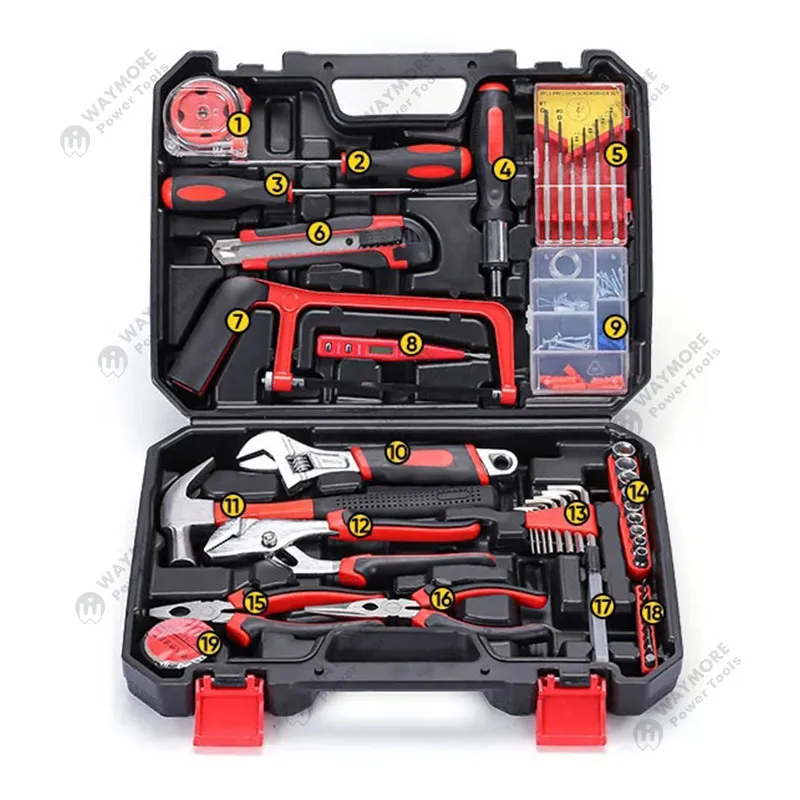
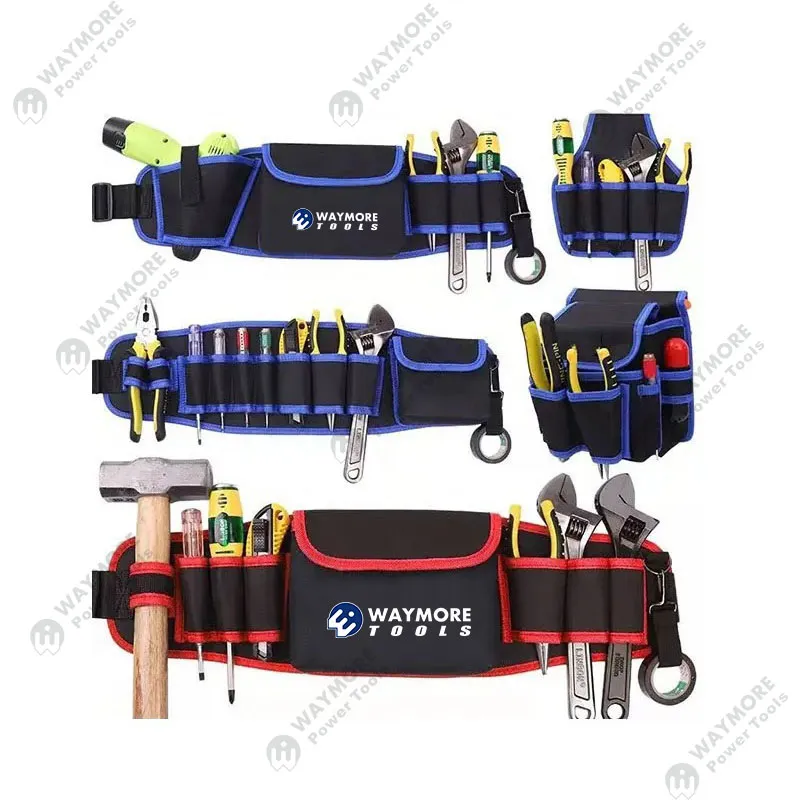
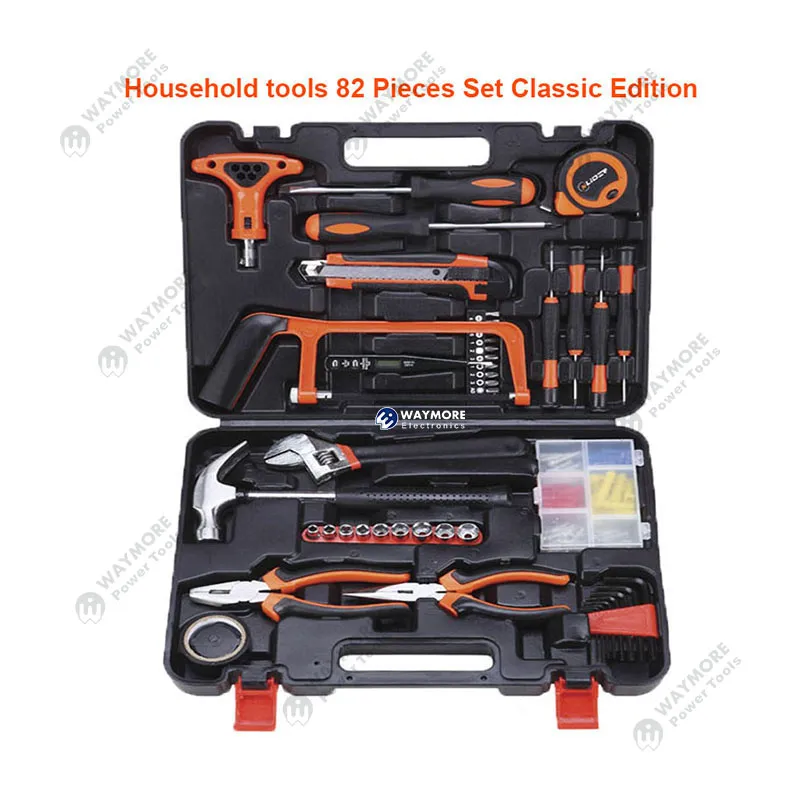
To prevent these accidents, it is crucial to implement proper tool storage practices on the job site. This includes using designated toolboxes, tool belts, or other secure storage devices to keep tools organized and prevent them from falling or rolling. Tools should be stored in a way that ensures they are easily accessible but not prone to accidental dislodgement.
Furthermore, it is essential to regularly inspect tool storage areas to identify and address any potential hazards. Loose or damaged toolboxes should be repaired or replaced promptly. Tools that are not in use should be stored in a secure location away from work areas.
By adhering to proper tool storage practices, employers and workers can significantly reduce the risk of accidents on the job site. A well-organized and secure tool storage system not only enhances safety but also promotes efficiency and productivity. It allows workers to quickly and easily access the tools they need while minimizing the potential for accidents.
In conclusion, improper tool storage is a serious hazard that can lead to severe accidents on the job site. By implementing proper storage practices, employers and workers can create a safer and more productive work environment. Regular inspections, designated storage areas, and secure tool storage devices are essential elements of a comprehensive tool storage plan that prioritizes safety and prevents accidents.
Tripping and Falling Risks
Improper tool storage poses a significant hazard on job sites, contributing to a substantial number of tripping and falling accidents. When tools are not properly stored, they can create obstacles that workers can easily trip over, leading to serious injuries.One of the most common causes of tripping accidents is the presence of loose tools lying on the ground. These tools can be easily overlooked, especially in areas with poor lighting or cluttered with debris. When workers are rushing to complete tasks or are distracted, they may fail to notice these obstacles, resulting in a fall.
Another hazard associated with improper tool storage is the use of makeshift storage solutions. Workers may resort to placing tools on top of equipment or stacking them precariously on shelves, creating unstable structures that can collapse and cause injuries. Additionally, tools that are not securely fastened can fall from heights, posing a risk to workers below.
To prevent tripping and falling accidents caused by improper tool storage, it is crucial to implement proper storage practices. Designated tool storage areas should be established and clearly marked to ensure that tools are always returned to their designated locations. Tools should be stored in a manner that prevents them from falling or becoming loose.
Furthermore, regular inspections of the job site should be conducted to identify and remove any potential tripping hazards. This includes clearing away loose tools, debris, and any other obstacles that could impede workers' movement. By maintaining a clean and organized work environment, the risk of tripping and falling accidents can be significantly reduced.
In addition to implementing proper storage practices, it is equally important to educate workers on the importance of safe tool handling and storage. Workers should be trained to recognize potential tripping hazards and to report any unsafe conditions to their supervisors. By fostering a culture of safety awareness, workers can actively contribute to preventing accidents on the job site.
In conclusion, improper tool storage is a major contributor to tripping and falling accidents on job sites. By implementing proper storage practices, conducting regular inspections, and educating workers on safe tool handling, employers can create a safer work environment and reduce the risk of these preventable accidents.
Damage to Tools and Equipment
Improper tool storage poses significant risks on job sites, leading to accidents that can result in injuries, damage to tools and equipment, and project delays. When tools are not stored properly, they can become damaged, lost, or misplaced, creating hazards for workers and compromising the efficiency of the project.One of the primary consequences of improper tool storage is damage to the tools themselves. When tools are not stored in a designated and protected area, they are exposed to elements such as moisture, dust, and extreme temperatures. This exposure can cause corrosion, rust, and other forms of deterioration, reducing the lifespan of the tools and affecting their performance. Additionally, improper storage can lead to physical damage, such as dents, scratches, or broken parts, which can render the tools unusable.
Furthermore, improper tool storage can result in lost or misplaced tools. When tools are not organized and stored in a systematic manner, it becomes difficult to locate them when needed. This can lead to delays in work, as workers waste time searching for missing tools. Moreover, lost tools can pose safety hazards if they are left unattended in hazardous areas or become entangled in machinery.
In addition to damage and loss, improper tool storage can also contribute to accidents on the job site. When tools are not stored securely, they can fall or become dislodged, striking workers or causing other injuries. Unsecured tools can also become tripping hazards, increasing the risk of slips and falls. Furthermore, improperly stored tools can interfere with the safe operation of machinery and equipment, leading to accidents and potential injuries.
To mitigate these risks, it is essential to implement proper tool storage practices on job sites. This includes designating specific storage areas for different types of tools, ensuring that tools are stored in a dry and protected environment, and using appropriate storage containers or racks to keep tools organized and secure. Regular tool inspections should also be conducted to identify any damage or potential hazards, and damaged tools should be repaired or replaced promptly.
By adhering to proper tool storage practices, construction companies can minimize the risks associated with improper storage, protect their tools and equipment, and enhance the safety and efficiency of their job sites. Investing in proper storage solutions and implementing effective tool management protocols can significantly reduce the likelihood of accidents, injuries, and project delays, ultimately contributing to a safer and more productive work environment.
Reduced Productivity and Efficiency
Improper tool storage poses a significant threat to workplace safety, leading to accidents that can result in injuries, lost productivity, and costly downtime. When tools are not stored properly, they can become damaged, misplaced, or even hazardous.Damaged tools can malfunction or break during use, increasing the risk of accidents. Misplaced tools can cause delays and frustration, hindering productivity. Moreover, improperly stored tools can create tripping hazards or become projectiles if they fall from heights.
For instance, a poorly secured hammer left on a ladder can fall and strike a worker below, causing serious head injuries. Similarly, a loose wrench left on a workbench can roll off and injure a passerby. These accidents are preventable with proper tool storage practices.
To ensure a safe and efficient work environment, it is crucial to implement proper tool storage measures. This includes designating specific storage areas for different types of tools, using toolboxes or racks to keep them organized, and securing tools against movement or falling.
Regular tool inspections are also essential to identify and remove damaged or defective tools. By adhering to these practices, businesses can minimize the risk of accidents, reduce downtime, and enhance overall productivity.
Furthermore, proper tool storage contributes to a more organized and efficient worksite. When tools are easily accessible and in their designated places, workers can quickly locate and retrieve them, saving time and effort. This streamlined workflow leads to increased productivity and reduced frustration.
In conclusion, improper tool storage is a major contributor to accidents on the job site. By implementing proper storage practices, businesses can create a safer and more efficient work environment, reducing the risk of injuries, lost productivity, and costly downtime. Regular tool inspections and designated storage areas are essential elements of a comprehensive tool storage plan, ensuring that tools are always in good condition and readily available when needed.
Increased Risk of Injuries
Improper tool storage poses a significant threat to workplace safety, increasing the risk of accidents and injuries. When tools are not stored properly, they can become hazards that can cause serious harm to workers.One of the primary risks associated with improper tool storage is the potential for tools to fall and strike workers. When tools are not securely stored in designated areas, they can easily be knocked over or dislodged, resulting in injuries to those nearby. Falling tools can cause lacerations, fractures, and even head injuries.
Another hazard associated with improper tool storage is the risk of tripping and falling. When tools are left scattered on the ground or in walkways, they can create obstacles that workers can trip over. Tripping and falling accidents can lead to sprains, strains, and more severe injuries such as broken bones.
Furthermore, improper tool storage can contribute to the development of musculoskeletal disorders (MSDs). When tools are not stored in a way that allows for easy access and use, workers may have to adopt awkward postures or exert excessive force to retrieve or use them. Over time, these repetitive motions can strain muscles, tendons, and joints, leading to MSDs such as carpal tunnel syndrome or tendonitis.
In addition to the physical risks, improper tool storage can also have psychological consequences. When workers are constantly exposed to a disorganized and unsafe work environment, it can lead to stress, anxiety, and decreased morale. This can negatively impact productivity and overall job satisfaction.
To mitigate the risks associated with improper tool storage, it is essential to implement proper storage practices on the job site. This includes designating specific storage areas for tools, ensuring that tools are securely stored in designated locations, and regularly cleaning up and organizing work areas. By following these guidelines, employers can create a safer and more efficient work environment for their employees.
In conclusion, improper tool storage is a serious issue that can lead to a range of accidents and injuries on the job site. By implementing proper storage practices, employers can significantly reduce the risks associated with improper tool storage and create a safer and more productive work environment for their employees.
Legal Liabilities and Fines
Improper tool storage poses significant risks on job sites, potentially leading to accidents and severe consequences. When tools are not stored correctly, they can become hazards, increasing the likelihood of injuries and property damage.One of the primary concerns with improper tool storage is the risk of falling objects. Tools left unsecured on elevated surfaces, such as ladders or scaffolding, can easily fall and strike workers below. This can result in head injuries, broken bones, or even fatalities. Additionally, tools stored in unstable locations can topple over, creating tripping hazards and causing further accidents.
Another hazard associated with improper tool storage is the potential for cuts and lacerations. Sharp tools, such as knives, saws, and chisels, should always be stored in designated toolboxes or sheaths. Leaving them exposed or unsecured can lead to accidental cuts or punctures, which can be painful and may require medical attention.
Furthermore, improper tool storage can contribute to electrical hazards. Power tools and electrical cords should be stored in a dry and well-ventilated area to prevent damage and electrical fires. Leaving them exposed to moisture or excessive heat can increase the risk of electrical shocks or short circuits, potentially causing serious injuries or even death.
Beyond the physical hazards, improper tool storage can also lead to legal liabilities and fines. Employers are responsible for providing a safe work environment for their employees, and this includes ensuring that tools are stored properly. Failure to do so can result in citations, fines, or even criminal charges in the event of an accident.
To prevent accidents and mitigate legal risks, it is crucial to implement proper tool storage practices on job sites. This includes:
* Designating specific storage areas for tools and equipment.
* Providing secure toolboxes or racks to prevent falling objects.
* Storing sharp tools in sheaths or designated containers.
* Keeping power tools and electrical cords in dry and well-ventilated areas.
* Regularly inspecting tools and storage areas to ensure they are in good condition.
By adhering to these guidelines, employers can create a safer work environment, reduce the risk of accidents, and minimize their legal liabilities. Proper tool storage is an essential aspect of job site safety and should be taken seriously by all parties involved.
Importance of Proper Tool Storage Protocols
**How Improper Tool Storage Can Lead to Accidents on the Job Site**Proper tool storage is crucial for maintaining a safe and efficient work environment on construction sites. Failure to adhere to proper storage protocols can result in accidents that can cause injuries, damage equipment, and disrupt operations.
One of the primary hazards associated with improper tool storage is the risk of tripping and falling. Tools left scattered on the ground or in walkways can create obstacles that workers can easily trip over. This can lead to serious injuries, such as sprains, fractures, or even head trauma.
Another hazard is the potential for tools to fall from heights. If tools are not properly secured, they can fall from ladders, scaffolding, or other elevated surfaces. This can pose a significant risk to workers below, who could be struck by the falling object.
Improper tool storage can also lead to damage to the tools themselves. Tools that are not stored in a dry and protected environment can become rusty or corroded, reducing their effectiveness and lifespan. Additionally, tools that are not properly secured can be easily lost or stolen, resulting in costly replacements.
Furthermore, improper tool storage can disrupt operations on the job site. When tools are not organized and easily accessible, workers may waste time searching for them. This can lead to delays and inefficiencies, which can impact project timelines and budgets.
To prevent these accidents and ensure a safe and productive work environment, it is essential to implement proper tool storage protocols. These protocols should include:
* Designating specific storage areas for tools and equipment.
* Providing secure storage containers, such as toolboxes or cabinets.
* Ensuring that tools are stored in a dry and protected environment.
* Regularly inspecting tools for damage and replacing or repairing them as needed.
* Training workers on proper tool storage practices.
By adhering to these protocols, construction companies can significantly reduce the risk of accidents and create a safer and more efficient work environment for their employees.