Waymore Tools
Today's Insights: Comprehensive Training Requirements for B2B Wholesalers and Importers: Mastering Effective Laser Level Operation
Table of Contents
- Introduction
- Understanding Laser Level Basics
- Safety Precautions for Laser Level Operation
- Leveling Techniques for Accurate Measurements
- Advanced Features and Applications of Laser Levels
- Troubleshooting Common Laser Level Issues
- Maintenance and Calibration for Optimal Performance
- Industry-Specific Training for Laser Level Proficiency
- Conclusion
Master Laser Leveling: Unlock Precision and Efficiency
Introduction
**Introduction to Training Requirements for Effective Laser Level Usage**Laser levels are essential tools for various construction and renovation projects, ensuring precision and accuracy in leveling and alignment tasks. To maximize their effectiveness and ensure safe operation, proper training is crucial. This introduction highlights the importance of training and outlines the key requirements for using laser levels effectively.
Understanding Laser Level Basics
**Training Requirements for Effective Laser Level Usage**Laser levels have revolutionized the construction industry, providing precise and efficient alignment for various tasks. However, to ensure optimal performance and safety, proper training is essential.
**Understanding Laser Level Fundamentals**
Before operating a laser level, it is crucial to grasp its basic principles. Training should cover the different types of laser levels, their components, and how they project laser beams. Understanding the laser's wavelength, accuracy, and range is also vital for selecting the appropriate level for specific applications.
**Safety Precautions**
Laser levels emit powerful beams that can be harmful to the eyes. Training must emphasize the importance of wearing appropriate eye protection and avoiding direct exposure to the laser beam. Additionally, it should cover the safe handling and storage of laser levels to prevent damage or accidents.
**Calibration and Maintenance**
Regular calibration ensures that the laser level maintains its accuracy. Training should provide instructions on how to calibrate the level and identify any potential issues. Proper maintenance, including cleaning the laser lens and checking the batteries, is also essential for optimal performance.
**Practical Applications**
Training should focus on practical applications of laser levels in various construction tasks. This includes setting up the level, aligning beams, and using the level for leveling, plumbing, and squaring. Hands-on exercises allow trainees to develop proficiency in using the level effectively.
**Advanced Techniques**
For more advanced users, training can cover specialized techniques such as using laser levels for slope grading, creating reference planes, and aligning complex structures. Understanding these techniques enhances the level's versatility and enables users to tackle more challenging projects.
**Certification and Compliance**
In some industries, certification may be required to operate laser levels. Training programs should provide guidance on obtaining certification and ensure compliance with relevant safety regulations. This ensures that users are qualified and adhere to industry standards.
**Conclusion**
Effective laser level usage requires comprehensive training that covers fundamental principles, safety precautions, calibration, practical applications, advanced techniques, and certification. By investing in proper training, users can maximize the benefits of laser levels, ensuring accuracy, efficiency, and safety in their construction projects.
Safety Precautions for Laser Level Operation
**Training Requirements for Effective Laser Level Operation**Laser levels are indispensable tools in construction, surveying, and other industries, providing precise alignment and leveling capabilities. However, their safe and effective use requires proper training to ensure accuracy and minimize potential hazards.
Training programs for laser level operation typically cover a range of topics, including:
* **Laser Safety:** Understanding the different laser classes and their associated risks, as well as proper handling and storage techniques.
* **Laser Level Components:** Familiarization with the various components of a laser level, including the laser diode, optics, and leveling mechanisms.
* **Leveling Techniques:** Proper setup and leveling procedures to ensure accurate measurements.
* **Calibration and Maintenance:** Regular calibration and maintenance schedules to maintain optimal performance and accuracy.
* **Environmental Considerations:** Understanding the effects of environmental factors such as temperature, humidity, and vibration on laser level operation.
* **Safety Precautions:** Adhering to established safety protocols, including wearing appropriate protective gear and avoiding direct eye exposure to the laser beam.
In addition to theoretical knowledge, hands-on training is essential to develop proficiency in using laser levels. This involves practical exercises under the guidance of experienced instructors, allowing participants to apply their knowledge in real-world scenarios.
Training programs may vary in duration and intensity depending on the specific industry and application. However, it is generally recommended that all individuals who operate laser levels receive formal training to ensure their safety and the accuracy of their measurements.
By completing a comprehensive training program, laser level operators can gain the necessary skills and knowledge to:
* Safely and effectively use laser levels in various applications.
* Minimize the risk of accidents and injuries associated with laser level operation.
* Ensure the accuracy and reliability of their measurements.
* Comply with industry regulations and safety standards.
In conclusion, training is paramount for the safe and effective use of laser levels. By investing in proper training, individuals can enhance their skills, protect their safety, and ensure the accuracy of their measurements, ultimately contributing to successful project outcomes.
Leveling Techniques for Accurate Measurements
**Training Requirements for Effective Laser Level Usage**Laser levels have revolutionized the construction industry, providing unparalleled accuracy and efficiency in leveling tasks. However, to harness their full potential, proper training is essential. This article outlines the key training requirements for using laser levels effectively.
**Understanding Laser Level Technology**
Trainees must first grasp the fundamental principles of laser level technology. This includes understanding the different types of lasers, their wavelengths, and how they project level planes. Knowledge of laser safety protocols is also crucial to ensure safe operation.
**Calibration and Maintenance**
Laser levels require regular calibration to maintain their accuracy. Trainees must learn how to perform basic calibration procedures and identify signs of misalignment. Additionally, they should be familiar with proper maintenance techniques to extend the lifespan of the equipment.
**Leveling Techniques**
Effective laser level usage involves mastering various leveling techniques. Trainees must learn how to set up the laser level in different orientations, such as horizontal, vertical, and inclined. They should also understand the principles of self-leveling and manual leveling.
**Accuracy Verification**
Verifying the accuracy of laser levels is essential to ensure reliable measurements. Trainees must be proficient in using calibration targets and other tools to check the accuracy of the projected level planes. They should also be able to identify and correct any errors that may arise.
**Applications in Construction**
Laser levels find widespread applications in construction, including leveling foundations, installing drywall, and aligning cabinetry. Trainees must be familiar with the specific requirements and best practices for using laser levels in these tasks.
**Safety Considerations**
Laser levels emit powerful beams of light, so safety is paramount. Trainees must be aware of the potential hazards and follow proper safety protocols. This includes wearing appropriate eye protection, avoiding direct exposure to the laser beam, and using the equipment in well-ventilated areas.
**Conclusion**
Effective laser level usage requires comprehensive training that covers both theoretical knowledge and practical skills. By understanding the technology, calibration procedures, leveling techniques, accuracy verification, applications, and safety considerations, trainees can harness the full potential of laser levels and achieve precise measurements in construction projects.
Advanced Features and Applications of Laser Levels
**Training Requirements for Effective Laser Level Usage**Laser levels have revolutionized the construction industry, providing unparalleled accuracy and efficiency in leveling tasks. However, to harness their full potential, proper training is essential. This article outlines the training requirements necessary for effective laser level usage.
**Basic Understanding of Laser Level Principles**
Trainees should possess a fundamental understanding of laser level principles, including the different types of lasers, their wavelengths, and how they project level planes. This knowledge enables them to select the appropriate laser level for specific applications and ensure accurate measurements.
**Safety Precautions and Regulations**
Laser levels emit powerful beams, so safety is paramount. Trainees must be thoroughly familiar with safety precautions, including wearing appropriate eye protection, avoiding direct exposure to the laser beam, and adhering to industry regulations.
**Leveling Techniques and Applications**
Training should cover various leveling techniques, such as horizontal, vertical, and cross-line leveling. Trainees should learn how to set up and calibrate laser levels, adjust beam intensity, and use accessories like tripods and detectors. Additionally, they should be familiar with the applications of laser levels in different construction scenarios, such as leveling foundations, installing drywall, and aligning machinery.
**Troubleshooting and Maintenance**
Laser levels are precision instruments that require proper maintenance. Trainees should be able to identify common problems, such as beam drift or misalignment, and perform basic troubleshooting procedures. They should also understand the importance of regular calibration and cleaning to ensure optimal performance.
**Advanced Features and Applications**
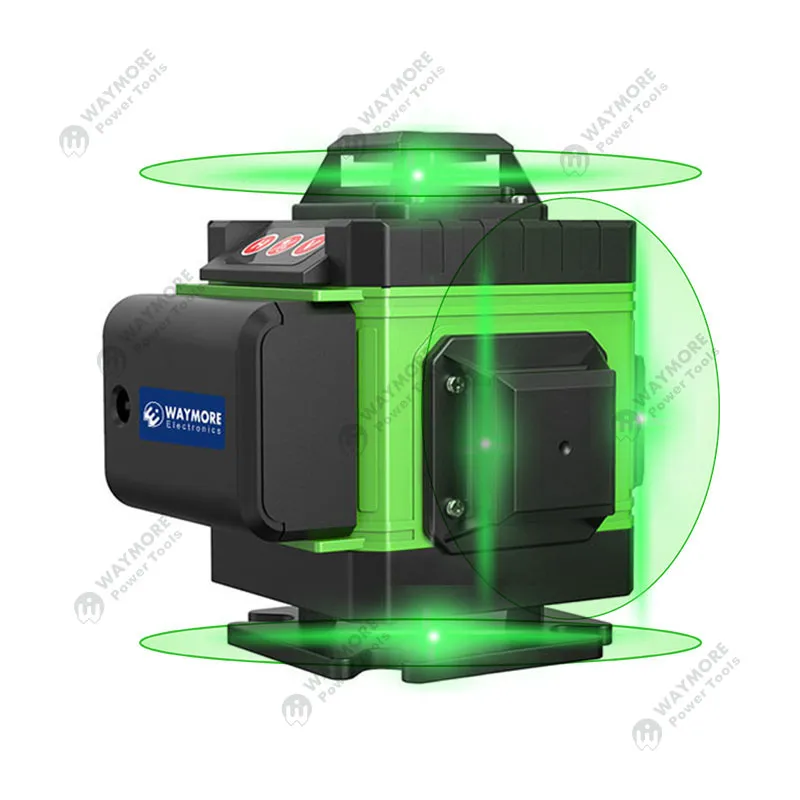
For advanced users, training should cover specialized features such as self-leveling, remote control, and slope compensation. Trainees should learn how to utilize these features to enhance accuracy and efficiency in complex leveling tasks. Additionally, they should be aware of the latest advancements in laser level technology, such as green lasers and multi-line lasers.
**Certification and Continuing Education**
To demonstrate proficiency, trainees may consider obtaining certification from reputable organizations. Certification programs typically involve rigorous testing and ensure that individuals meet industry standards. Furthermore, ongoing continuing education is crucial to stay abreast of technological advancements and best practices in laser level usage.
**Conclusion**
Effective laser level usage requires comprehensive training that covers fundamental principles, safety precautions, leveling techniques, troubleshooting, advanced features, and certification. By investing in proper training, individuals can maximize the benefits of laser levels, ensuring accuracy, efficiency, and safety in their construction projects.
Troubleshooting Common Laser Level Issues
**Training Requirements for Effective Laser Level Usage**Laser levels have revolutionized the construction industry, providing precise alignment and leveling for various tasks. However, to ensure optimal performance and avoid common issues, proper training is essential.
Firstly, understanding the different types of laser levels is crucial. Rotary lasers emit a rotating beam, while line lasers project a straight line. Each type has its advantages and is suitable for specific applications.
Next, operators must be familiar with the laser's controls and settings. This includes adjusting the beam intensity, slope, and self-leveling capabilities. Proper calibration is also vital to ensure accuracy.
Furthermore, it is essential to understand the safety precautions associated with laser levels. Laser beams can be harmful to the eyes, so protective eyewear must be worn at all times. Additionally, operators should be aware of the potential for electrical hazards and follow proper grounding procedures.
Training should also cover the proper setup and operation of laser levels. This includes selecting the appropriate mounting system, leveling the device, and aligning the beam with the desired reference points.
Finally, operators should be trained on troubleshooting common laser level issues. These may include beam drift, inaccurate readings, or power failures. By understanding the potential causes and solutions, operators can quickly resolve problems and minimize downtime.
In conclusion, comprehensive training is essential for effective and safe use of laser levels. By understanding the different types, controls, safety precautions, setup procedures, and troubleshooting techniques, operators can ensure accurate and reliable results in their construction projects.
Maintenance and Calibration for Optimal Performance
**Training Requirements for Effective Laser Level Usage**Laser levels have revolutionized the construction industry, providing precise and efficient alignment for various tasks. However, to ensure optimal performance and safety, proper training is essential.
**Understanding Laser Level Technology**
Before operating a laser level, it is crucial to understand its basic principles. Laser levels emit a highly focused beam of light that creates a reference plane or line. The accuracy of the laser level depends on its calibration and the stability of the surface on which it is placed.
**Safety Precautions**
Laser levels emit powerful beams of light, so safety precautions must be taken. Avoid direct eye contact with the laser beam and wear appropriate eye protection. Additionally, ensure that the laser level is placed securely to prevent accidental movement or damage.
**Basic Operation**
Once safety precautions are in place, the basic operation of a laser level is straightforward. Most models feature a self-leveling mechanism that automatically adjusts the laser beam to a horizontal or vertical plane. Users can then adjust the beam angle or height as needed.
**Advanced Features**
Modern laser levels offer advanced features that enhance their functionality. These may include:
* **Remote control:** Allows users to operate the laser level from a distance.
* **Slope mode:** Enables the laser level to project a beam at a specific angle for grading or drainage applications.
* **Multi-beam functionality:** Projects multiple laser beams simultaneously for complex alignment tasks.
**Training Programs**
To ensure proficiency in using laser levels, manufacturers and industry organizations offer training programs. These programs typically cover:
* Laser level technology and principles
* Safety precautions and best practices
* Basic and advanced operation
* Troubleshooting and maintenance
**Benefits of Training**
Proper training provides numerous benefits, including:
* Improved accuracy and efficiency in alignment tasks
* Reduced risk of accidents and injuries
* Enhanced understanding of laser level capabilities
* Increased confidence in using the equipment
**Conclusion**
Training is an essential aspect of using laser levels effectively. By understanding the technology, safety precautions, and advanced features, users can maximize the benefits of these tools. Training programs offered by manufacturers and industry organizations provide the necessary knowledge and skills to ensure optimal performance and safety in laser level usage.
Industry-Specific Training for Laser Level Proficiency
**Training Requirements for Effective Laser Level Usage**Laser levels have revolutionized the construction industry, providing unparalleled accuracy and efficiency in leveling tasks. However, to harness their full potential, proper training is essential. This article outlines the training requirements necessary for individuals to use laser levels effectively.
**Basic Understanding of Laser Level Technology**
Trainees should possess a fundamental understanding of laser level technology, including the principles of laser emission, beam alignment, and level detection. This knowledge enables them to operate the equipment safely and troubleshoot any potential issues.
**Calibration and Maintenance**
Regular calibration and maintenance are crucial for ensuring the accuracy of laser levels. Training should cover the procedures for calibrating the device, adjusting the beam, and performing routine maintenance tasks. This ensures that the laser level consistently provides precise measurements.
**Leveling Techniques and Applications**
Trainees must master various leveling techniques, such as horizontal, vertical, and cross-line leveling. They should also be familiar with the applications of laser levels in different construction scenarios, including leveling foundations, installing drywall, and aligning fixtures.
**Safety Precautions**
Laser levels emit powerful beams that can be harmful to the eyes. Training should emphasize the importance of wearing appropriate safety glasses and adhering to safety protocols. Trainees should also be aware of the potential hazards associated with using laser levels in hazardous environments.
**Advanced Features and Applications**
Modern laser levels offer advanced features such as self-leveling, remote control, and slope measurement. Training should cover the operation and applications of these features, enabling trainees to maximize the capabilities of the equipment.
**Hands-on Practice**
Theoretical knowledge alone is insufficient for effective laser level usage. Hands-on practice is essential to develop proficiency in operating the device and applying it in real-world scenarios. Training should include supervised practice sessions where trainees can apply their skills under the guidance of experienced professionals.
**Certification and Assessment**
Upon completion of training, trainees should undergo certification or assessment to demonstrate their competence in using laser levels. This certification provides employers with assurance of the individual's skills and knowledge, ensuring that they can safely and effectively operate laser levels on construction sites.
**Conclusion**
Effective laser level usage requires comprehensive training that covers both theoretical knowledge and practical skills. By adhering to these training requirements, individuals can harness the full potential of laser levels, enhancing accuracy, efficiency, and safety in construction projects.
Conclusion
**Conclusion:**Effective use of laser levels requires comprehensive training to ensure accuracy, safety, and compliance with industry standards. Training should cover topics such as level selection, setup, calibration, operation, and maintenance. By providing thorough training, organizations can empower their personnel to utilize laser levels effectively, minimizing errors, enhancing productivity, and ensuring the safety of both workers and the surrounding environment.