Waymore Tools
Today's Insights: Overcoming Battery Life Limitations in Laser Levels
Table of Contents
- Introduction
- Understanding Battery Life Limitations in Laser Levels
- Factors Affecting Laser Level Battery Life
- Maximizing Battery Life for Laser Levels
- Troubleshooting Battery Issues in Laser Levels
- Extending Battery Life with External Power Sources
- Choosing the Right Battery for Your Laser Level
- Battery Maintenance Tips for Laser Levels
- Conclusion
Laser levels: Limited by battery life, not precision.
Introduction
Battery life is a crucial factor to consider when using laser levels, as it determines the duration of operation without the need for recharging or replacing batteries. Laser levels rely on batteries to power their laser diodes, which emit the visible beam used for leveling and alignment tasks. However, battery life can be limited by various factors, including the type of battery used, the laser's power consumption, and environmental conditions. Understanding these limitations is essential for effective use and planning when working with laser levels.Understanding Battery Life Limitations in Laser Levels
**Understanding Battery Life Limitations in Laser Levels**Laser levels are indispensable tools for construction, renovation, and DIY projects, providing precise alignment and leveling. However, their performance is heavily influenced by battery life, which can vary significantly depending on several factors.
**Battery Type and Capacity**
The type and capacity of the battery play a crucial role in determining battery life. Lithium-ion (Li-ion) batteries are commonly used in laser levels due to their high energy density and long lifespan. The capacity, measured in milliamp-hours (mAh), indicates the amount of charge the battery can store. Higher capacity batteries provide longer runtimes.
**Laser Power and Usage**
The power of the laser beam also affects battery life. Higher-powered lasers consume more energy, resulting in shorter runtimes. Additionally, the frequency and duration of laser usage impact battery life. Continuous use of the laser will deplete the battery faster than intermittent use.
**Environmental Conditions**
Extreme temperatures can significantly affect battery life. Cold temperatures reduce battery capacity, while high temperatures can damage the battery. Laser levels should be stored and operated within the recommended temperature range to optimize battery performance.
**Battery Maintenance**
Proper battery maintenance is essential for extending battery life. Regularly charging and discharging the battery helps maintain its capacity. Avoid overcharging or completely discharging the battery, as both can shorten its lifespan. Additionally, storing the battery in a cool, dry place when not in use can prevent degradation.
**Other Factors**
Other factors that can influence battery life include the efficiency of the laser level's circuitry, the presence of additional features (e.g., Bluetooth connectivity), and the age of the battery. As batteries age, their capacity gradually decreases, resulting in shorter runtimes.
**Tips for Maximizing Battery Life**
To maximize battery life, consider the following tips:
* Use the lowest laser power setting when possible.
* Turn off the laser when not in use.
* Avoid exposing the laser level to extreme temperatures.
* Charge the battery regularly, even if it's not fully depleted.
* Store the battery in a cool, dry place when not in use.
By understanding the factors that affect battery life and implementing these tips, users can optimize the performance of their laser levels and ensure uninterrupted operation for their projects.
Factors Affecting Laser Level Battery Life
**Battery Life Limitations of Laser Levels**Laser levels, indispensable tools for construction and renovation projects, rely on batteries to power their precise beams. However, battery life can be a limiting factor, especially for extended use or in demanding environments. Understanding the factors that affect laser level battery life is crucial for maximizing performance and minimizing downtime.
One primary factor is the type of battery used. Lithium-ion batteries, commonly found in modern laser levels, offer superior energy density and longer runtimes compared to traditional alkaline or NiMH batteries. They also maintain a more consistent voltage output, ensuring stable beam performance throughout their discharge cycle.
The laser level's power consumption also plays a significant role. Higher-powered lasers, such as those used for outdoor applications or long-range leveling, require more energy to operate. Additionally, features like self-leveling, slope detection, and Bluetooth connectivity can further increase power consumption.
Environmental conditions can also impact battery life. Extreme temperatures, both hot and cold, can reduce battery capacity and shorten runtimes. Cold temperatures, in particular, can slow down chemical reactions within the battery, leading to a decrease in available power.
The duration of continuous use is another factor to consider. Laser levels typically have a specified runtime, which varies depending on the battery type and power consumption. For extended use, it is advisable to have spare batteries on hand or consider using an external power source, such as a rechargeable battery pack.
To optimize laser level battery life, several practices can be adopted. Firstly, ensure the batteries are fully charged before use. Secondly, avoid exposing the laser level to extreme temperatures or direct sunlight. Thirdly, turn off the laser when not in use to conserve power. Additionally, consider using energy-saving modes, if available, to extend battery life.
In conclusion, battery life limitations are an inherent aspect of laser levels. By understanding the factors that affect battery life, such as battery type, power consumption, environmental conditions, and usage patterns, users can maximize performance and minimize downtime. Proper battery maintenance and usage practices can significantly extend the battery life of laser levels, ensuring reliable and efficient operation for all leveling tasks.
Maximizing Battery Life for Laser Levels
**Battery Life Limitations of Laser Levels**Laser levels are indispensable tools for construction and renovation projects, providing precise alignment and leveling. However, their battery life can be a limiting factor, especially for extended use. Understanding the factors that affect battery life is crucial for maximizing the efficiency of laser levels.
One primary factor is the type of battery used. Laser levels typically employ either alkaline or rechargeable batteries. Alkaline batteries offer a lower capacity and shorter lifespan, while rechargeable batteries provide longer-lasting power but require charging. The choice between the two depends on the frequency and duration of use.
Another factor is the laser's power output. Higher-powered lasers consume more energy, resulting in shorter battery life. Conversely, lower-powered lasers extend battery life but may compromise accuracy and visibility. Striking a balance between power and battery life is essential.
Environmental conditions also play a role. Extreme temperatures, both hot and cold, can adversely affect battery performance. Cold temperatures reduce battery capacity, while high temperatures can shorten battery life. It is advisable to store and operate laser levels within the recommended temperature range.
Additionally, the use of additional features can impact battery life. Bluetooth connectivity, for instance, allows for remote control of the laser level but consumes additional power. Similarly, pulse mode, which enhances visibility in bright conditions, also increases energy consumption.
To maximize battery life, consider the following tips:
* Use rechargeable batteries and charge them fully before use.
* Choose a laser level with an appropriate power output for the task.
* Avoid operating the laser level in extreme temperatures.
* Disable unnecessary features, such as Bluetooth connectivity, when not in use.
* Turn off the laser level when not in use to conserve battery power.
By understanding the factors that affect battery life and implementing these tips, users can extend the operating time of their laser levels and ensure optimal performance for their projects.
Troubleshooting Battery Issues in Laser Levels
**Battery Life Limitations of Laser Levels**Laser levels, indispensable tools for construction and renovation projects, rely on batteries to power their precise beams. However, battery life can be a limiting factor, especially during extended use. Understanding the factors that affect battery life is crucial for maximizing the efficiency of laser levels.
One primary factor is the type of battery used. Laser levels typically employ either alkaline or rechargeable batteries. Alkaline batteries offer a lower capacity and shorter lifespan, while rechargeable batteries provide longer-lasting power but require charging. The choice between the two depends on the frequency and duration of use.
Another factor is the laser's power consumption. Higher-powered lasers, which emit brighter beams, consume more energy and drain batteries faster. Conversely, lower-powered lasers extend battery life but may compromise visibility in certain lighting conditions.
Environmental conditions also play a role. Extreme temperatures, both hot and cold, can reduce battery life. Cold temperatures slow down chemical reactions within batteries, while high temperatures can damage them. It is advisable to store and operate laser levels within the recommended temperature range.
Additionally, the use of additional features can impact battery life. Laser levels with self-leveling capabilities, for instance, require additional power to maintain a level beam. Similarly, lasers with Bluetooth connectivity or remote control options consume more energy.
To optimize battery life, consider using energy-saving modes when possible. Some laser levels offer a "sleep" mode that reduces power consumption when not in use. Additionally, turning off the laser when not needed or using a lower power setting can extend battery life.
Regular maintenance is also essential. Cleaning the laser's optics and ensuring proper alignment can minimize energy loss and improve battery efficiency. Furthermore, replacing old or damaged batteries promptly is crucial to prevent power interruptions and potential damage to the laser level.
By understanding the factors that affect battery life and implementing appropriate measures, users can maximize the efficiency of their laser levels and minimize downtime due to battery depletion. Proper battery management ensures uninterrupted operation and accurate measurements, ultimately enhancing productivity and project success.
Extending Battery Life with External Power Sources
**Extending Battery Life with External Power Sources for Laser Levels**Laser levels are indispensable tools for construction and renovation projects, providing precise alignment and leveling. However, their battery life can be a limiting factor, especially for extended use or in remote locations. Fortunately, there are several external power sources that can extend the battery life of laser levels, allowing for uninterrupted operation.
One common external power source is a rechargeable battery pack. These packs typically provide several hours of additional runtime and can be easily swapped out when depleted. They are a convenient option for projects that require extended use, as they eliminate the need to constantly recharge the internal battery.
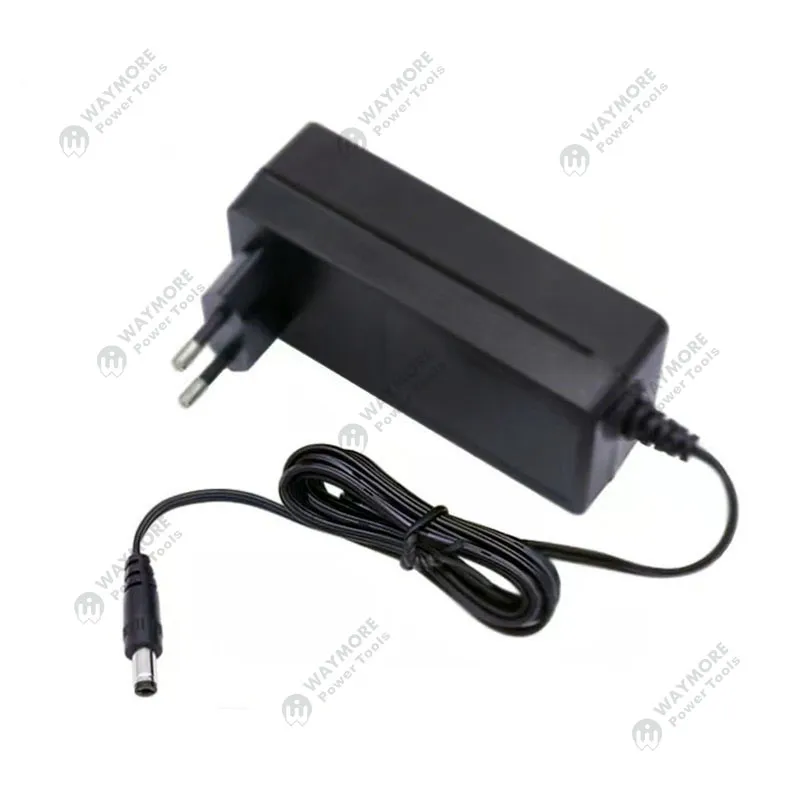
Another option is a power adapter that plugs into a standard electrical outlet. This provides a continuous power supply, allowing the laser level to operate indefinitely. Power adapters are ideal for indoor projects or situations where access to an electrical outlet is available.
For outdoor projects or remote locations where electrical outlets are not accessible, solar panels can be used to charge the laser level's internal battery. Solar panels convert sunlight into electricity, providing a sustainable and environmentally friendly power source. They are a great option for projects that require extended use in areas with ample sunlight.
When choosing an external power source, it is important to consider the specific requirements of the laser level. Some models may require a specific voltage or amperage, so it is essential to check the manufacturer's specifications before purchasing. Additionally, the size and weight of the external power source should be taken into account, as it may need to be carried or transported during use.
By utilizing external power sources, users can significantly extend the battery life of their laser levels, ensuring uninterrupted operation and increased productivity. Whether it's a rechargeable battery pack, power adapter, or solar panel, there is an external power source available to meet the specific needs of any project.
Choosing the Right Battery for Your Laser Level
**Battery Life Limitations of Laser Levels**Laser levels are indispensable tools for construction and renovation projects, providing precise alignment and leveling. However, their performance is heavily dependent on the battery life of the device. Understanding the factors that affect battery life is crucial for selecting the right battery and maximizing the efficiency of your laser level.
The primary factor influencing battery life is the type of battery used. Laser levels typically employ either alkaline or rechargeable batteries. Alkaline batteries are readily available and inexpensive, but they offer limited capacity and a shorter lifespan. Rechargeable batteries, on the other hand, provide longer runtimes and can be reused multiple times, making them a more cost-effective option in the long run.
The capacity of the battery, measured in milliamp-hours (mAh), also plays a significant role. Higher capacity batteries provide longer runtimes, allowing you to work for extended periods without interruption. However, larger capacity batteries tend to be heavier and bulkier, which may affect the portability of the laser level.
The power consumption of the laser level is another important consideration. Laser levels with brighter beams or multiple laser planes consume more power, resulting in shorter battery life. Additionally, features such as self-leveling and slope compensation can also increase power consumption.
Environmental conditions can also impact battery life. Extreme temperatures, both hot and cold, can reduce the capacity and performance of batteries. It is recommended to store and operate laser levels within the manufacturer's specified temperature range to ensure optimal battery life.
To maximize battery life, it is essential to practice proper battery maintenance. Regularly charging rechargeable batteries and replacing alkaline batteries when they become depleted is crucial. Additionally, avoiding overcharging or discharging batteries can extend their lifespan.
When selecting a battery for your laser level, consider the factors discussed above and choose a battery that meets your specific needs. By understanding the battery life limitations of laser levels, you can make an informed decision and ensure that your device performs optimally for your projects.
Battery Maintenance Tips for Laser Levels
**Battery Life Limitations of Laser Levels**Laser levels, indispensable tools for construction and renovation projects, rely heavily on batteries for their operation. However, the battery life of laser levels can be a limiting factor, especially during extended use. Understanding the factors that affect battery life is crucial for maximizing the efficiency of these devices.
One of the primary factors influencing battery life is the type of battery used. Laser levels typically employ either alkaline or rechargeable batteries. Alkaline batteries offer a lower capacity and shorter lifespan compared to rechargeable batteries. Rechargeable batteries, such as lithium-ion or nickel-metal hydride (NiMH), provide a higher capacity and can be recharged multiple times, extending their overall lifespan.
The laser's power output also plays a significant role in battery consumption. Higher power lasers require more energy to operate, resulting in shorter battery life. Conversely, lower power lasers consume less energy and can operate for longer periods on a single charge.
Environmental conditions can also impact battery life. Extreme temperatures, both hot and cold, can reduce battery capacity and shorten its lifespan. Additionally, moisture and dust can damage batteries, further compromising their performance.
To mitigate these limitations, it is essential to adopt proper battery maintenance practices. Regularly charging rechargeable batteries and storing them in a cool, dry environment can significantly extend their lifespan. Additionally, using the laser level at a lower power setting when possible can help conserve battery life.
Furthermore, investing in a laser level with a longer battery life can be beneficial for extended use. Some models feature extended battery packs or multiple battery slots, allowing for continuous operation without interruptions.
In conclusion, the battery life of laser levels is influenced by various factors, including battery type, laser power output, and environmental conditions. By understanding these limitations and implementing proper battery maintenance practices, users can maximize the efficiency of their laser levels and ensure uninterrupted operation during critical projects.
Conclusion
**Conclusion:**Laser levels offer significant advantages in construction and alignment tasks, but their battery life remains a limiting factor. While advancements in battery technology have extended runtimes, the continuous use of lasers and additional features can deplete batteries quickly. To mitigate this limitation, users should consider factors such as laser power, operating temperature, and battery capacity when selecting a laser level. Additionally, employing energy-saving modes, using external power sources, and carrying spare batteries can help ensure uninterrupted operation during critical tasks.