Waymore Tools
Today's Insights: Essential Safety Guidelines for Operating Power Wrenches in Wet or Damp Conditions
Wet and Damp Conditions: Assessing Risks and Precautions
**Safety Protocols for Power Wrench Operation in Wet or Damp Conditions**Operating power wrenches in wet or damp conditions poses significant safety risks that require meticulous adherence to established protocols. These protocols aim to minimize the likelihood of electrical hazards, slips, and falls, ensuring the safety of operators and bystanders.
**Electrical Hazards**
Water and electricity form a dangerous combination. When operating power wrenches in wet or damp conditions, the risk of electrical shock increases dramatically. To mitigate this risk, the following precautions must be taken:
* Ensure that the power wrench is properly grounded.
* Inspect the power cord and connections for any damage or wear.
* Avoid using the power wrench in standing water or areas with excessive moisture.
* Wear insulated gloves and boots to protect against electrical shock.
**Slips and Falls**
Wet or damp surfaces can become slippery, increasing the risk of slips and falls. To prevent these accidents, the following measures should be implemented:
* Wear slip-resistant footwear with good traction.
* Clean up any spills or water on the work surface immediately.
* Use non-slip mats or rugs to provide additional traction.
* Be aware of your surroundings and avoid walking on wet or slippery surfaces.
**Additional Precautions**
In addition to the aforementioned protocols, the following precautions should also be observed:
* Inspect the power wrench regularly for any signs of damage or malfunction.
* Never operate a power wrench that is damaged or not functioning properly.
* Keep the work area well-lit to improve visibility and reduce the risk of accidents.
* Be aware of the location of electrical outlets and power lines to avoid contact with water.
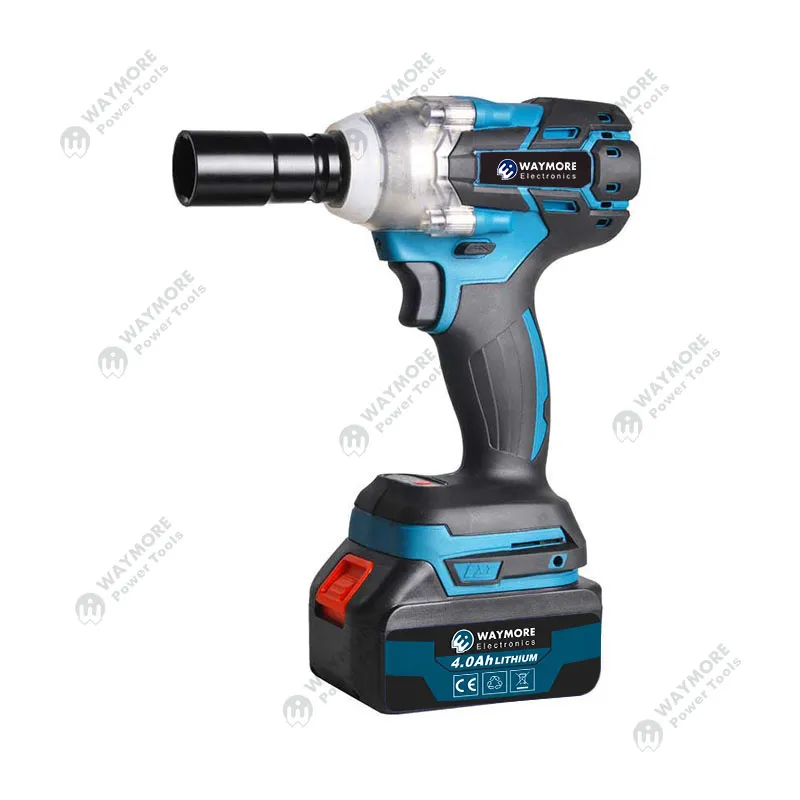
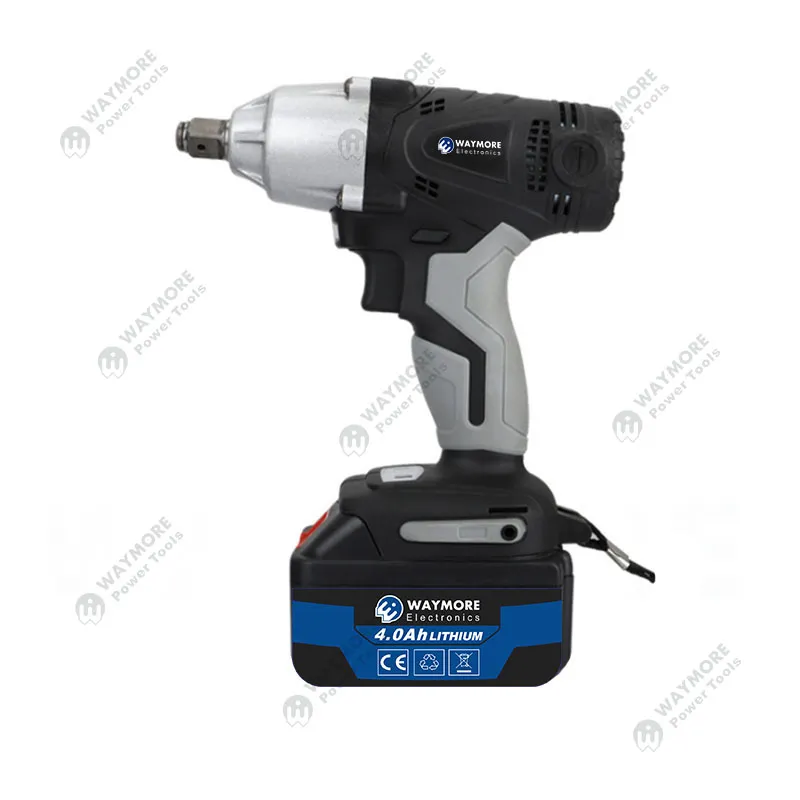
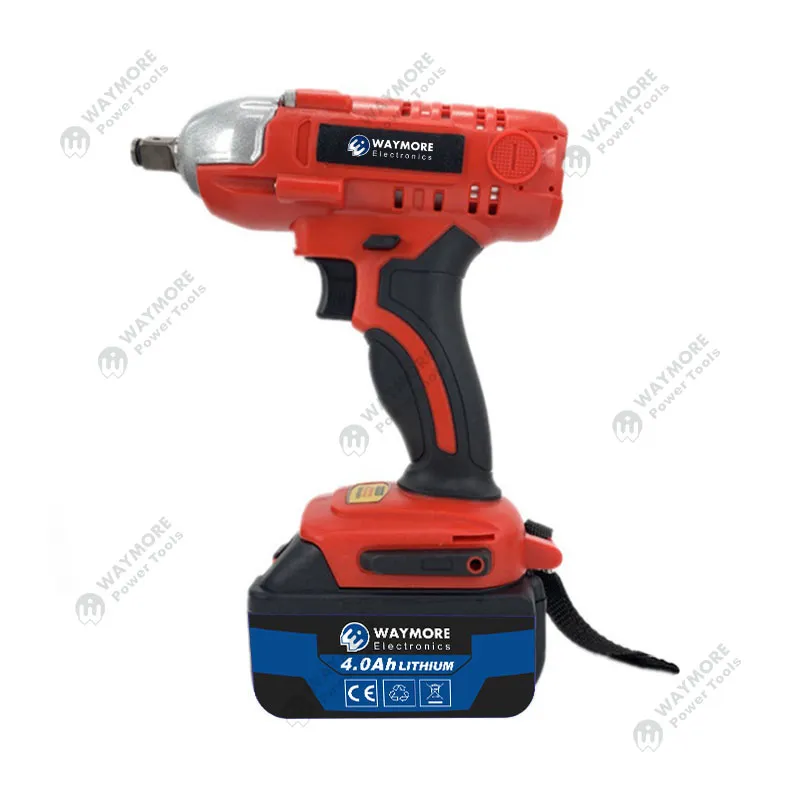
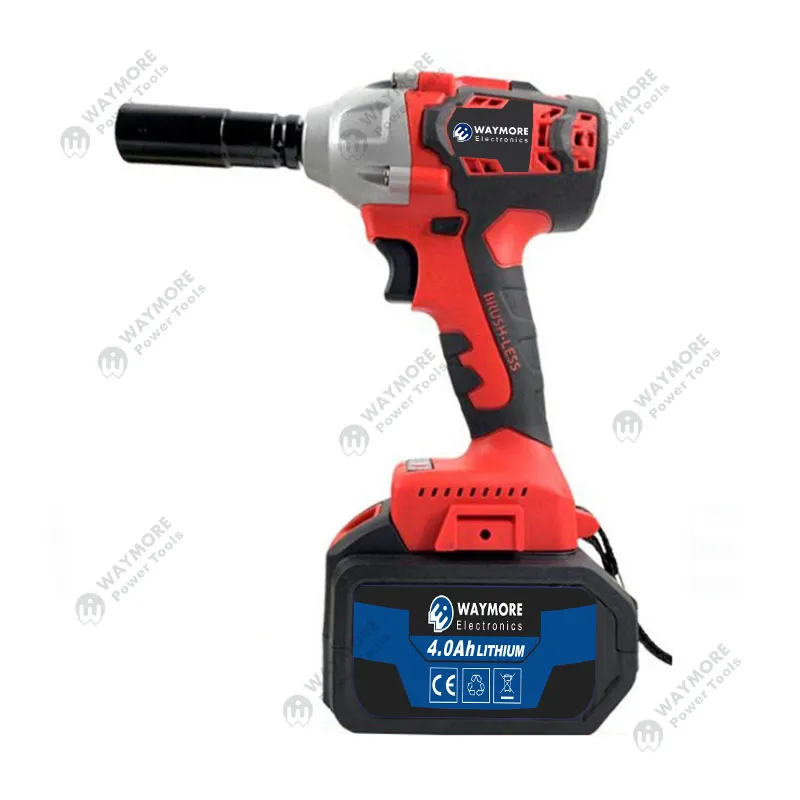
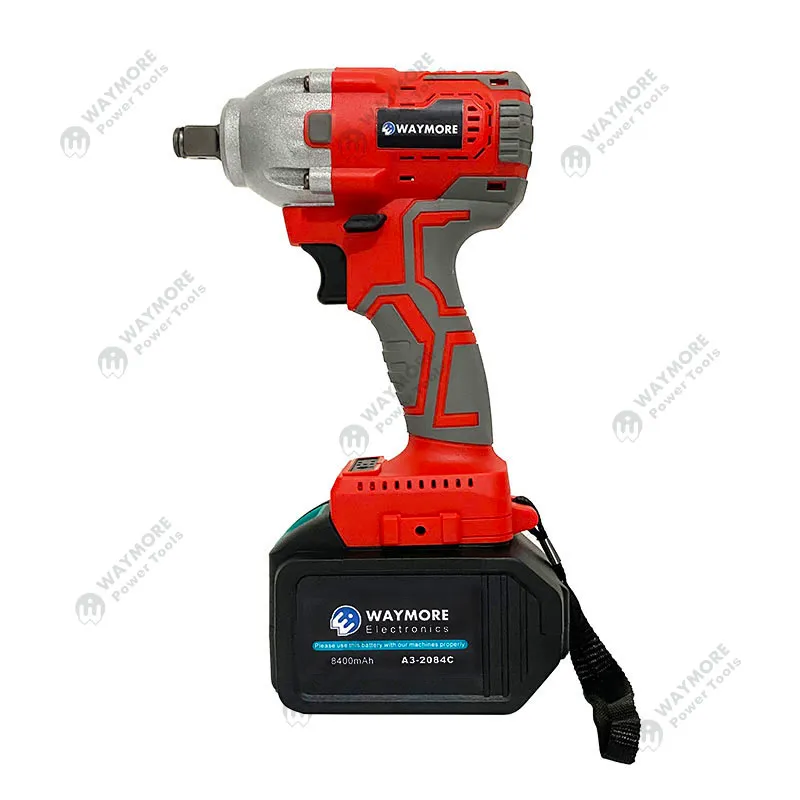
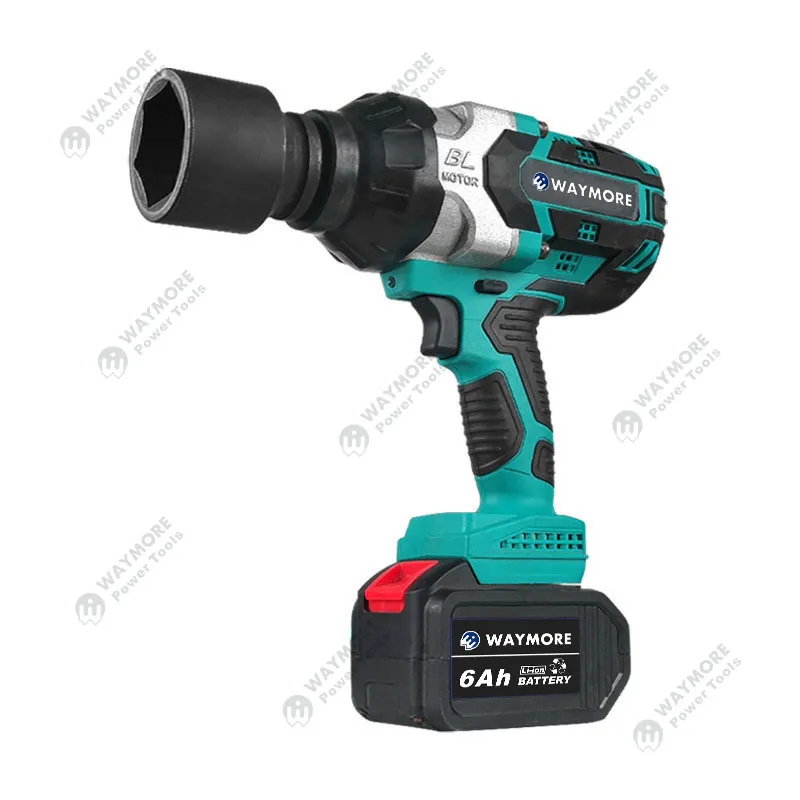
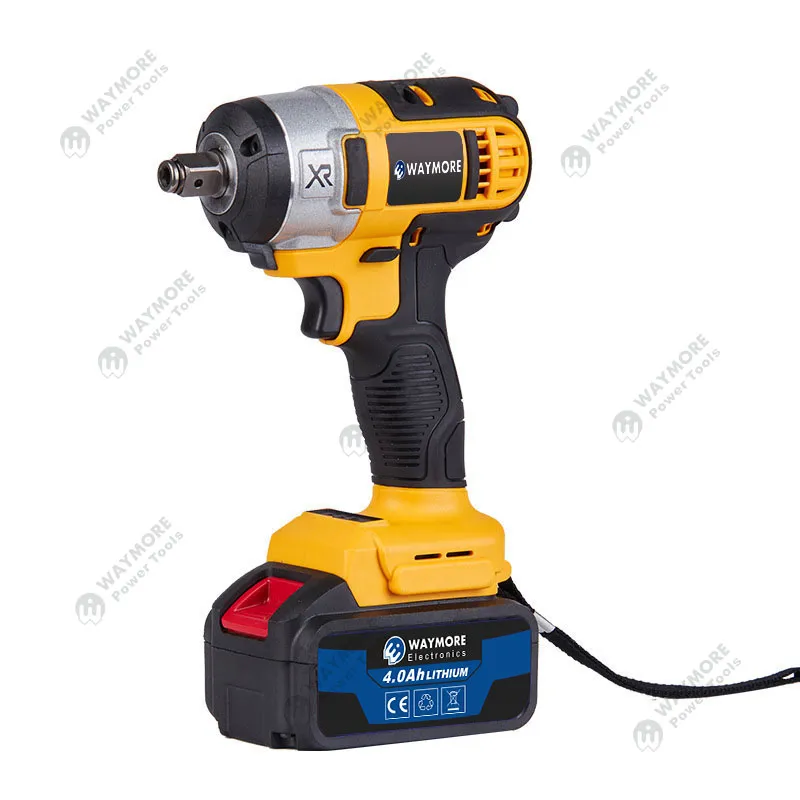
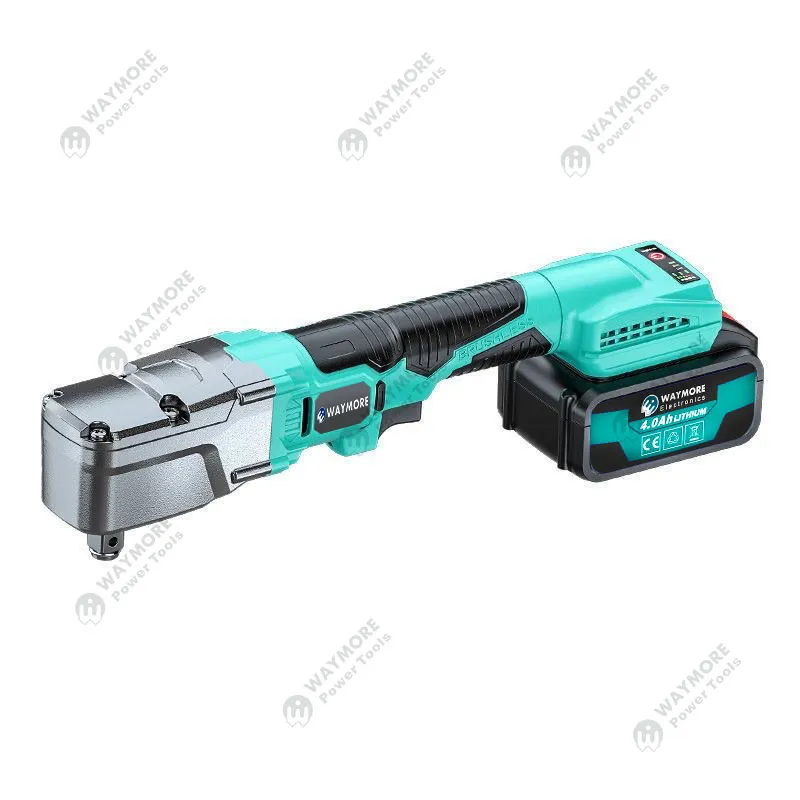
* If possible, use a battery-powered power wrench instead of a corded one to eliminate the risk of electrical shock.
**Conclusion**
By adhering to these safety protocols, operators can significantly reduce the risks associated with operating power wrenches in wet or damp conditions. These precautions help ensure the safety of individuals and prevent accidents that could have serious consequences. It is imperative that all operators receive proper training and follow these protocols diligently to maintain a safe work environment.
Electrical Safety: Grounding and Insulation in Wet Environments
**Safety Protocols for Power Wrench Operation in Wet or Damp Conditions**In wet or damp environments, the operation of power wrenches poses significant electrical hazards. To mitigate these risks, it is imperative to adhere to stringent safety protocols.
Firstly, it is crucial to ensure that the power wrench is properly grounded. Grounding provides a low-resistance path for electrical current to flow, preventing it from passing through the operator's body. Grounding rods or clamps should be used to connect the wrench to a suitable grounding point.
Additionally, the insulation of the power wrench must be intact and free of any damage. Insulation acts as a barrier between the electrical components and the operator, preventing electrical shock. Inspect the insulation regularly for cracks, tears, or other defects. If any damage is found, the wrench should be taken out of service immediately.
Furthermore, it is essential to wear appropriate personal protective equipment (PPE) when operating a power wrench in wet or damp conditions. This includes non-conductive gloves, boots, and clothing. PPE helps to minimize the risk of electrical shock and other injuries.
Before using the power wrench, the work area should be inspected for any potential hazards. This includes checking for water puddles, wet surfaces, or other conditions that could increase the risk of electrical shock. If any hazards are identified, they should be addressed before proceeding with the work.
During operation, the power wrench should be held firmly and securely. Avoid touching any metal parts of the wrench or the workpiece with bare hands. If the wrench becomes wet or damp, it should be disconnected from the power source and allowed to dry thoroughly before continuing use.
In the event of an electrical shock, it is crucial to remain calm and take immediate action. Disconnect the power source and call for emergency medical assistance. Do not attempt to touch the victim or the power wrench until the power has been disconnected.
By adhering to these safety protocols, operators can significantly reduce the risks associated with operating power wrenches in wet or damp conditions. Regular inspections, proper grounding, insulation maintenance, PPE usage, and a thorough understanding of the hazards involved are essential for ensuring a safe work environment.
Tool Maintenance: Ensuring Proper Function in Wet Conditions
**Safety Protocols for Power Wrench Operation in Wet or Damp Conditions**Operating power wrenches in wet or damp conditions poses significant safety hazards that require strict adherence to safety protocols. These protocols aim to minimize the risk of electrical shock, equipment damage, and personal injury.
**Electrical Hazards:**
Water and moisture can conduct electricity, creating a pathway for electrical current to flow through the wrench and into the operator. To prevent electrical shock, the following precautions must be taken:
* Ensure that the power wrench is properly grounded.
* Inspect the power cord and connections for any damage or exposed wires.
* Avoid using the wrench in standing water or areas with excessive moisture.
* Wear insulated gloves and boots when operating the wrench in wet conditions.
**Equipment Damage:**
Moisture can penetrate the wrench's internal components, causing corrosion and damage. To protect the equipment, it is essential to:
* Keep the wrench dry and clean.
* Store the wrench in a dry and well-ventilated area.
* Avoid exposing the wrench to excessive moisture or humidity.
* If the wrench becomes wet, immediately disconnect it from the power source and allow it to dry thoroughly before using it again.
**Personal Injury:**
Slippery surfaces and reduced visibility in wet conditions can increase the risk of accidents. To ensure personal safety, the following measures should be implemented:
* Wear appropriate footwear with non-slip soles.
* Be aware of your surroundings and potential hazards.
* Use caution when walking or working on wet surfaces.
* Avoid operating the wrench in areas with poor lighting or visibility.
**Additional Precautions:**
In addition to the above protocols, the following precautions should also be considered:
* Use a ground fault circuit interrupter (GFCI) to protect against electrical shock.
* Inspect the work area for any potential hazards, such as overhead wires or slippery surfaces.
* Have a designated safety observer present when operating the wrench in hazardous conditions.
* Follow all manufacturer's instructions and safety guidelines for the specific power wrench being used.
By adhering to these safety protocols, operators can minimize the risks associated with power wrench operation in wet or damp conditions, ensuring the safety of both personnel and equipment.
Personal Protective Equipment: Choosing the Right Gear for Wet Work
**Safety Protocols for Power Wrench Operation in Wet or Damp Conditions**When operating power wrenches in wet or damp conditions, adhering to stringent safety protocols is paramount to prevent electrical hazards and ensure the well-being of workers. These protocols encompass proper personal protective equipment (PPE), environmental controls, and operational procedures.
**Personal Protective Equipment**
In wet environments, non-conductive PPE is essential to minimize the risk of electrical shock. This includes:
* **Rubber gloves:** Rated for electrical insulation and tested to withstand the voltage of the power wrench.
* **Rubber boots:** With non-slip soles to prevent falls on wet surfaces.
* **Rain gear:** Waterproof jacket and pants to protect against moisture and cold.
**Environmental Controls**
To mitigate electrical hazards, environmental controls should be implemented:
* **Ground fault circuit interrupters (GFCIs):** These devices automatically shut off power when a ground fault occurs, preventing electrical shock.
* **Insulated work surfaces:** Non-conductive mats or platforms should be used to isolate workers from the ground.
* **Proper ventilation:** Adequate ventilation is crucial to prevent moisture buildup and condensation.
**Operational Procedures**
Safe operation of power wrenches in wet conditions requires adherence to specific procedures:
* **Inspect equipment:** Before use, thoroughly inspect the power wrench, cord, and PPE for any damage or defects.
* **Use proper grounding:** Ensure the power wrench is properly grounded to prevent electrical shock.
* **Avoid contact with water:** Keep the power wrench and cord away from standing water or excessive moisture.
* **Take breaks:** Regular breaks are essential to prevent fatigue and maintain alertness.
* **Follow manufacturer's instructions:** Always refer to the manufacturer's instructions for specific safety guidelines and operating procedures.
**Additional Considerations**
In addition to the aforementioned protocols, other considerations include:
* **Training:** Workers should receive comprehensive training on the safe operation of power wrenches in wet conditions.
* **Supervision:** Close supervision is recommended to ensure compliance with safety protocols.
* **Emergency response plan:** An emergency response plan should be in place to address electrical accidents or other hazards.
By adhering to these safety protocols, workers can minimize the risks associated with operating power wrenches in wet or damp conditions, ensuring a safe and productive work environment.
Work Area Preparation: Preventing Slips and Falls
**Safety Protocols for Power Wrench Operation in Wet or Damp Conditions**Ensuring safety during power wrench operation in wet or damp conditions is paramount to prevent slips, falls, and electrical hazards. Proper work area preparation is crucial to mitigate these risks.
**Grounding and Electrical Safety**
Before operating a power wrench in wet conditions, ensure that it is properly grounded to prevent electrical shock. Inspect the power cord and connections for any damage or wear. Use a ground fault circuit interrupter (GFCI) to protect against electrical faults.
**Non-Slip Surfaces**
Wet or damp surfaces can become slippery, increasing the risk of slips and falls. Lay down non-slip mats or use anti-slip coatings on work surfaces and walkways. Ensure that the work area is well-lit to improve visibility and reduce the likelihood of tripping.
**Proper Footwear**
Wear appropriate footwear with non-slip soles to provide traction on wet surfaces. Avoid wearing shoes with smooth or worn soles. Consider using rubber overshoes or boot covers for added protection.
**Water Management**
Control water accumulation by using pumps or drains to remove excess water from the work area. Keep the work surface dry by using absorbent materials such as towels or rags. Avoid working in areas with standing water or excessive moisture.
**Personal Protective Equipment (PPE)**
Wear appropriate PPE, including gloves, eye protection, and a hard hat, to protect against potential hazards. Gloves should be made of non-conductive material to prevent electrical shock. Eye protection should be splash-resistant to shield against water droplets.
**Training and Supervision**
Provide thorough training to operators on the safe operation of power wrenches in wet or damp conditions. Emphasize the importance of grounding, non-slip surfaces, proper footwear, water management, and PPE. Ensure that operators are supervised by a qualified individual who can monitor safety protocols and provide guidance.
**Regular Inspections and Maintenance**
Regularly inspect power wrenches and associated equipment for any damage or wear. Ensure that all components are in good working order and that safety features are functioning properly. Perform routine maintenance to keep the equipment in optimal condition.
By adhering to these safety protocols, organizations can minimize the risks associated with power wrench operation in wet or damp conditions, ensuring the safety of workers and preventing accidents.
Emergency Procedures: Responding to Electrical Hazards in Wet Conditions
**Safety Protocols for Power Wrench Operation in Wet or Damp Conditions**In wet or damp environments, the operation of power wrenches poses significant electrical hazards. To mitigate these risks, it is imperative to adhere to stringent safety protocols.
Firstly, it is crucial to ensure that the power wrench is properly grounded. This prevents electrical current from flowing through the operator's body in the event of a fault. Additionally, the power cord should be inspected regularly for any damage or fraying, as this could create a potential shock hazard.
Before operating the power wrench, the operator must wear appropriate personal protective equipment (PPE). This includes non-conductive gloves, safety glasses, and insulated footwear. These measures help protect the operator from electrical shocks and arc flashes.
When working in wet or damp conditions, it is essential to use a ground fault circuit interrupter (GFCI). A GFCI is a device that detects imbalances in electrical current and quickly shuts off the power supply to prevent electrocution.
Furthermore, the work area should be well-lit to ensure clear visibility. This helps the operator identify potential hazards and avoid accidents. Additionally, the work area should be free of clutter and debris to prevent tripping or slipping.
In the event of an electrical shock, it is crucial to remain calm and follow these steps:
1. **Break contact with the power source:** Use a non-conductive object to separate the operator from the power wrench.
2. **Call for help:** Immediately call for emergency medical assistance.
3. **Start CPR:** If the operator is not breathing, begin cardiopulmonary resuscitation (CPR).
By adhering to these safety protocols, operators can significantly reduce the risks associated with power wrench operation in wet or damp conditions. It is essential to prioritize safety and take all necessary precautions to prevent electrical hazards.
Training and Supervision: Educating Operators on Wet Operation Safety
**Safety Protocols for Power Wrench Operation in Wet or Damp Conditions**Operating power wrenches in wet or damp conditions poses significant safety hazards. To mitigate these risks, it is crucial to implement comprehensive safety protocols and educate operators on proper wet operation techniques.
**Electrical Hazards**
Water and electricity are a dangerous combination. When power wrenches are used in wet environments, the risk of electrical shock increases dramatically. To prevent electrocution, operators must ensure that the wrench is properly grounded and that all electrical connections are watertight. Additionally, they should wear insulated gloves and avoid touching any metal parts of the wrench while it is in operation.
**Mechanical Hazards**
Wet or damp conditions can also increase the risk of mechanical hazards. Slippery surfaces can cause operators to lose their grip on the wrench, leading to injuries. Additionally, water can penetrate the wrench's internal components, causing them to malfunction or fail. To minimize these risks, operators should ensure that the work area is dry and free of debris. They should also inspect the wrench regularly for any signs of damage or wear.
**Slip and Fall Hazards**
Wet or damp floors can create slip and fall hazards. Operators should wear slip-resistant footwear and be aware of their surroundings. They should also avoid working on elevated surfaces or in areas where there is a risk of falling.
**Operator Training**
Educating operators on proper wet operation techniques is essential for ensuring their safety. Training should cover the following topics:
* Electrical hazards and grounding procedures
* Mechanical hazards and inspection protocols
* Slip and fall hazards and prevention measures
* Emergency procedures in case of an accident
**Supervision**
Close supervision is crucial when operating power wrenches in wet or damp conditions. Supervisors should ensure that operators are following proper safety protocols and that the work area is safe. They should also be prepared to respond to any emergencies that may arise.
**Conclusion**
By implementing comprehensive safety protocols and educating operators on proper wet operation techniques, organizations can significantly reduce the risks associated with power wrench operation in wet or damp conditions. These measures help protect operators from electrical shock, mechanical hazards, and slip and fall injuries, ensuring a safe and productive work environment.