Waymore Tools
Today's Insights: Importance of using the correct blade type for circular saws
Table of Contents
"Precision Cuts, Perfect Results: Choose the Right Blade for Your Circular Saw"
Introduction
Using the correct blade type for circular saws is crucial for ensuring optimal performance, safety, and precision in cutting operations. Different blade types are designed for specific materials and applications, and selecting the appropriate blade can significantly impact the quality and efficiency of the cut. Understanding the various blade types and their intended uses is essential for maximizing the capabilities of circular saws and achieving desired results.Enhancing Precision and Accuracy
**Importance of Using the Correct Blade Type for Circular Saws**In the realm of woodworking, precision and accuracy are paramount. Circular saws, indispensable tools for cutting various materials, play a crucial role in achieving these goals. However, the choice of blade type is often overlooked, leading to suboptimal results and potential safety hazards.
The type of blade used in a circular saw directly impacts the quality of the cut. Different materials require specific blade designs to ensure clean, precise cuts. For instance, blades with fewer teeth are ideal for ripping cuts in wood, while blades with more teeth are better suited for crosscuts.
The material being cut also dictates the blade's tooth geometry. Blades designed for cutting metal have hardened teeth to withstand the abrasive nature of the material. Conversely, blades for cutting wood have softer teeth that can easily penetrate the fibers.
Furthermore, the blade's diameter and thickness influence the depth and width of the cut. Larger diameter blades can cut through thicker materials, while thinner blades produce narrower cuts. The thickness of the blade also affects the stability of the cut, with thicker blades providing greater rigidity.
Using the incorrect blade type can lead to several problems. Blades with too few teeth can cause excessive tearing and splintering, while blades with too many teeth can overheat and become dull quickly. Blades designed for cutting one material may not perform well on another, resulting in poor cut quality or even damage to the saw.
In addition to performance, safety is another important consideration. Using the wrong blade type can increase the risk of kickback, a dangerous situation where the saw suddenly jerks backward. Blades that are too dull or have damaged teeth can also shatter, posing a significant hazard to the operator.
Therefore, it is essential to carefully select the correct blade type for each cutting task. By matching the blade to the material, cut type, and saw specifications, woodworkers can ensure optimal performance, precision, and safety.
In conclusion, the choice of blade type for circular saws is a critical factor in achieving accurate and precise cuts. By understanding the different blade designs and their applications, woodworkers can optimize their saws for various cutting tasks, ensuring both efficiency and safety in their woodworking endeavors.
Maximizing Cutting Efficiency
**Importance of Using the Correct Blade Type for Circular Saws**Circular saws are versatile tools that can handle a wide range of cutting tasks. However, to achieve optimal cutting efficiency and safety, it is crucial to select the correct blade type for the specific material and application.
The type of blade used depends on the material being cut. For example, wood blades are designed with sharp teeth that can easily penetrate wood fibers. Metal blades, on the other hand, have harder teeth that can withstand the abrasive nature of metal. Similarly, blades for cutting plastics or composites have specialized tooth geometries to prevent melting or chipping.
In addition to the material, the thickness and density of the workpiece also influence blade selection. Thicker materials require blades with more teeth to distribute the cutting load and prevent overheating. Conversely, thinner materials may benefit from blades with fewer teeth to reduce tearing and splintering.
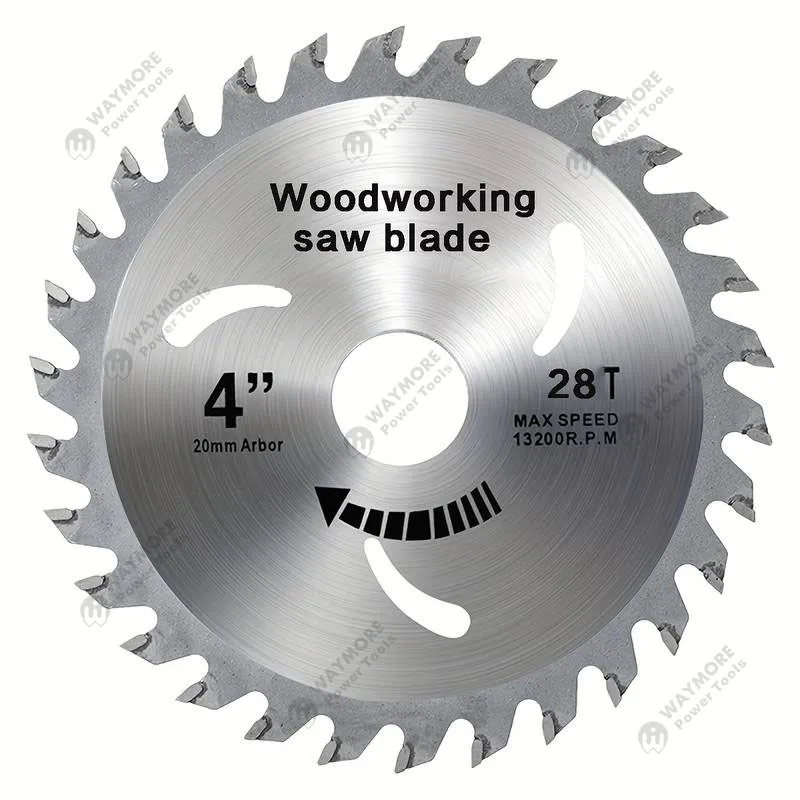
The number of teeth on a blade is also important. Blades with more teeth produce smoother cuts but may be slower. Blades with fewer teeth cut faster but can leave a rougher finish. For general-purpose cutting, blades with 24-40 teeth are a good choice.
The blade's diameter and arbor size must also match the saw. Larger blades can cut through thicker materials, while smaller blades are more maneuverable. The arbor size refers to the diameter of the hole in the blade that fits onto the saw's spindle.
Using the correct blade type not only improves cutting efficiency but also enhances safety. Blades that are too dull or damaged can bind or kickback, posing a hazard to the operator. Regularly inspecting and replacing blades is essential to maintain optimal performance and prevent accidents.
In conclusion, selecting the correct blade type for circular saws is paramount for achieving efficient and safe cutting. By considering the material, thickness, density, and application, you can choose a blade that will deliver the desired results. Remember to inspect and replace blades regularly to ensure optimal performance and minimize safety risks.
Ensuring Safety and Control
**Importance of Using the Correct Blade Type for Circular Saws**Circular saws are versatile tools that can be used for a wide range of cutting tasks. However, it is crucial to select the correct blade type for the specific material being cut to ensure safety and optimal performance.
The type of blade used depends on the material's hardness, thickness, and composition. For example, a carbide-tipped blade is ideal for cutting hard materials like metal or masonry, while a diamond blade is necessary for cutting ceramic or stone. Using the wrong blade type can result in poor cuts, increased wear on the saw, and potential safety hazards.
The number of teeth on the blade also plays a significant role. A blade with more teeth will produce a smoother cut, while a blade with fewer teeth will cut faster. The thickness of the blade should also be considered, as a thicker blade will be more durable but may require more power to operate.
In addition to the material and blade type, the cutting speed and feed rate must be adjusted accordingly. Cutting too quickly or slowly can affect the quality of the cut and the lifespan of the blade. It is essential to refer to the manufacturer's recommendations for the specific blade and material combination.
Using the correct blade type is not only important for safety but also for efficiency and accuracy. A properly selected blade will cut cleanly and efficiently, reducing the risk of kickback or other accidents. It will also extend the life of the blade and the saw itself.
Furthermore, using the correct blade type can enhance the overall quality of the cut. A blade designed for a specific material will produce a smoother, more precise cut, which is especially important for projects requiring high levels of precision.
In conclusion, selecting the correct blade type for circular saws is paramount for ensuring safety, optimizing performance, and achieving high-quality cuts. By carefully considering the material, blade type, number of teeth, thickness, cutting speed, and feed rate, users can ensure that their circular saws operate safely and efficiently, delivering exceptional results.
Preventing Blade Damage and Breakage
**Importance of Using the Correct Blade Type for Circular Saws**Circular saws are versatile tools that can be used for a wide range of cutting tasks. However, it is essential to use the correct blade type for the material being cut to ensure optimal performance and safety. Using the wrong blade can lead to blade damage, breakage, and even injury.
The type of blade used depends on the material being cut. For example, wood blades are designed with sharp teeth that can easily cut through wood fibers. Metal blades, on the other hand, have harder teeth that can withstand the abrasive nature of metal. Using a wood blade to cut metal will quickly dull the blade and can cause it to break.
In addition to the material being cut, the thickness of the material also plays a role in blade selection. Thicker materials require blades with larger teeth that can remove more material with each pass. Using a blade with teeth that are too small for the thickness of the material can lead to excessive heat buildup and blade damage.
The number of teeth on a blade also affects its performance. Blades with more teeth produce a smoother cut, while blades with fewer teeth cut faster. For general-purpose cutting, a blade with 24 to 40 teeth is a good choice. For fine finishing cuts, a blade with 60 or more teeth is recommended.
Finally, the arbor size of the circular saw must match the arbor hole of the blade. Using a blade with an arbor hole that is too large or too small can cause the blade to wobble or become loose, which can be dangerous.
By following these guidelines, you can ensure that you are using the correct blade type for your circular saw. This will help to prevent blade damage, breakage, and injury, and will also improve the quality of your cuts.
Here are some additional tips for using circular saws safely:
* Always wear safety glasses and ear protection when operating a circular saw.
* Make sure the saw is properly plugged in and that the blade is sharp.
* Hold the saw firmly with both hands and keep your fingers away from the blade.
* Cut slowly and carefully, and avoid forcing the saw.
* If the saw starts to bog down, stop cutting and check for any obstructions.
* Never use a circular saw to cut wet materials.
Optimizing Material Compatibility
**Importance of Using the Correct Blade Type for Circular Saws**Circular saws are versatile tools that can be used for a wide range of cutting applications. However, it is crucial to select the correct blade type for the material being cut to ensure optimal performance and safety.
The type of blade used depends on the material's hardness, thickness, and composition. For example, a carbide-tipped blade is ideal for cutting hard materials such as metal or masonry, while a diamond blade is specifically designed for cutting ceramic tiles or stone.
Using the wrong blade type can lead to several problems. A blade that is too soft for the material may dull quickly or even break, posing a safety hazard. Conversely, a blade that is too hard may not cut effectively and can cause excessive wear on the saw.
Furthermore, the number of teeth on the blade also plays a role. A blade with more teeth will produce a smoother cut, while a blade with fewer teeth will cut faster. The thickness of the blade should also be considered, as a thicker blade will be more durable but may require more power to operate.
In addition to material compatibility, the blade's diameter and arbor size must also match the saw. Using a blade that is too large or too small can damage the saw or cause it to malfunction.
To ensure optimal performance and safety, it is essential to consult the saw's manual or a reputable blade manufacturer for specific blade recommendations. By using the correct blade type, you can extend the life of your saw, achieve precise cuts, and minimize the risk of accidents.
Remember, the correct blade type is not only crucial for efficient cutting but also for maintaining the safety and longevity of your circular saw. By taking the time to select the appropriate blade, you can ensure that your saw performs optimally and delivers the desired results.
Achieving Desired Finish Quality
**Importance of Using the Correct Blade Type for Circular Saws**Achieving the desired finish quality in woodworking projects hinges on selecting the appropriate blade type for circular saws. Each blade is meticulously designed to cater to specific materials and applications, ensuring optimal performance and precision.
For clean, splinter-free cuts in hardwoods, a crosscut blade with sharp, alternating bevel teeth is ideal. Its design minimizes tear-out, resulting in a smooth, polished finish. Conversely, a rip blade, featuring flat-top teeth, excels at cutting along the grain of wood, producing straight, accurate cuts.
When working with plywood or laminates, a combination blade offers versatility. Its alternating tooth pattern combines the advantages of both crosscut and rip blades, delivering clean cuts in both directions. For intricate cuts or curves, a specialty blade, such as a dado blade or a thin kerf blade, provides the precision and control necessary for complex designs.
The material being cut also influences blade selection. For example, metal-cutting blades are specifically designed to withstand the high temperatures and abrasive nature of metal. Similarly, diamond-tipped blades are essential for cutting hard materials like tile or stone.
Beyond the blade type, other factors to consider include the number of teeth, the tooth geometry, and the blade diameter. A higher tooth count produces a finer finish, while a lower tooth count provides faster cutting. The tooth geometry, such as the hook angle and rake angle, affects the blade's aggressiveness and efficiency. The blade diameter determines the maximum depth of cut and the overall stability of the saw.
Using the correct blade type for circular saws is paramount for achieving the desired finish quality. By carefully matching the blade to the material and application, woodworkers can ensure precise, clean cuts that elevate their projects to the next level.
Extending Blade Lifespan
**Importance of Using the Correct Blade Type for Circular Saws**The selection of the appropriate blade type is crucial for maximizing the lifespan of circular saw blades and ensuring optimal cutting performance. Different blade types are designed for specific materials and applications, and using the wrong blade can lead to premature wear, reduced efficiency, and potential safety hazards.
For cutting wood, carbide-tipped blades are highly recommended. Carbide is an extremely hard material that resists wear and tear, allowing the blade to maintain its sharpness for longer periods. Blades with a higher tooth count are ideal for clean, precise cuts, while blades with a lower tooth count are better suited for rougher cuts and faster material removal.
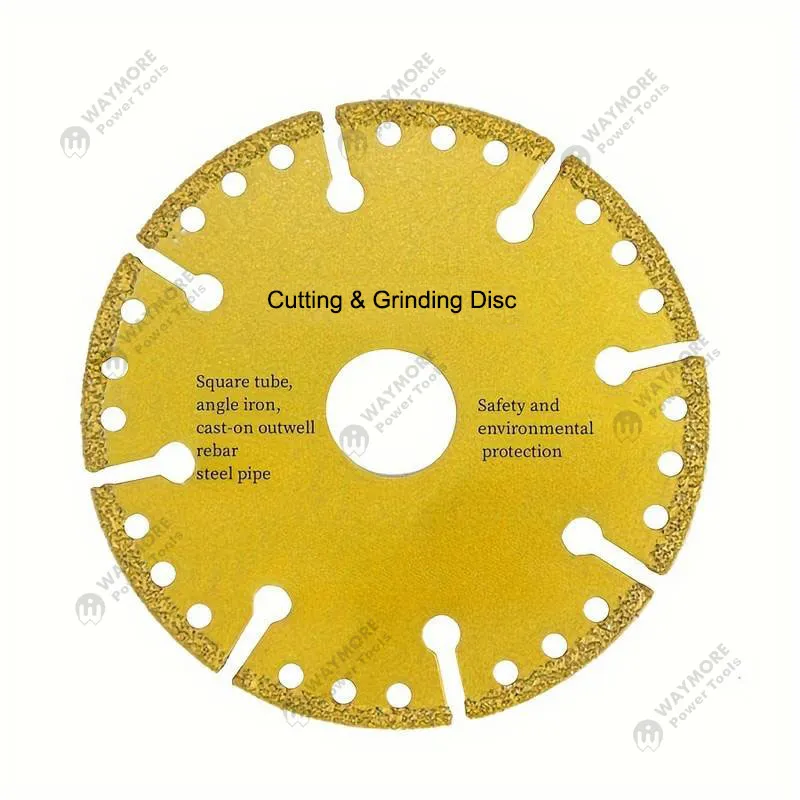
When cutting metal, abrasive blades are the preferred choice. These blades are coated with abrasive particles, such as aluminum oxide or silicon carbide, which grind through the metal. The thickness of the blade and the size of the abrasive particles should be selected based on the type and thickness of the metal being cut.
For cutting plastics, blades with a high hook angle are recommended. This angle allows the blade to grab and pull the plastic through the cut, preventing melting and tearing. Blades with a low hook angle are better suited for cutting thin plastics or materials that are prone to chipping.
In addition to the material being cut, the thickness of the material also influences the blade selection. Thicker materials require blades with a larger diameter and a thicker body to provide sufficient support and prevent bending or warping.
Using the correct blade type not only extends the lifespan of the blade but also enhances safety. A blade that is too thin or has too few teeth for the material being cut can bind or kickback, potentially causing injury. Conversely, a blade that is too thick or has too many teeth can create excessive friction and heat, leading to premature wear and potential blade failure.
By carefully selecting the appropriate blade type for the specific material and application, you can significantly extend the lifespan of your circular saw blades, ensure optimal cutting performance, and minimize safety risks. Remember to always refer to the manufacturer's recommendations for the specific blade type and operating parameters to achieve the best results.
Conclusion
**Conclusion:**Using the correct blade type for circular saws is crucial for ensuring optimal performance, safety, and workpiece quality. Matching the blade to the specific material and application allows for efficient cutting, minimizes blade wear, and reduces the risk of accidents. By selecting the appropriate blade type, users can achieve precise cuts, extend blade life, and enhance overall productivity.