Waymore Tools
Today's Insights: Setup difficulties in uneven terrains for laser levels
Table of Contents
- Leveling Challenges on Slopes and Inclines
- Compensating for Uneven Surfaces with Laser Levels
- Overcoming Obstacles in Rugged Terrain
- Stabilizing Laser Levels on Unstable Ground
- Calibrating Laser Levels for Accurate Measurements
- Troubleshooting Laser Level Errors in Uneven Terrains
- Tips for Setting Up Laser Levels in Challenging Environments
- Conclusion
Precision leveling on uneven ground: A challenge conquered
Leveling Challenges on Slopes and Inclines
**Setup Difficulties in Uneven Terrains for Laser Levels**Laser levels are invaluable tools for leveling tasks, but they can encounter challenges when used on uneven terrains. Slopes and inclines present obstacles that can hinder the accurate setup and operation of laser levels.
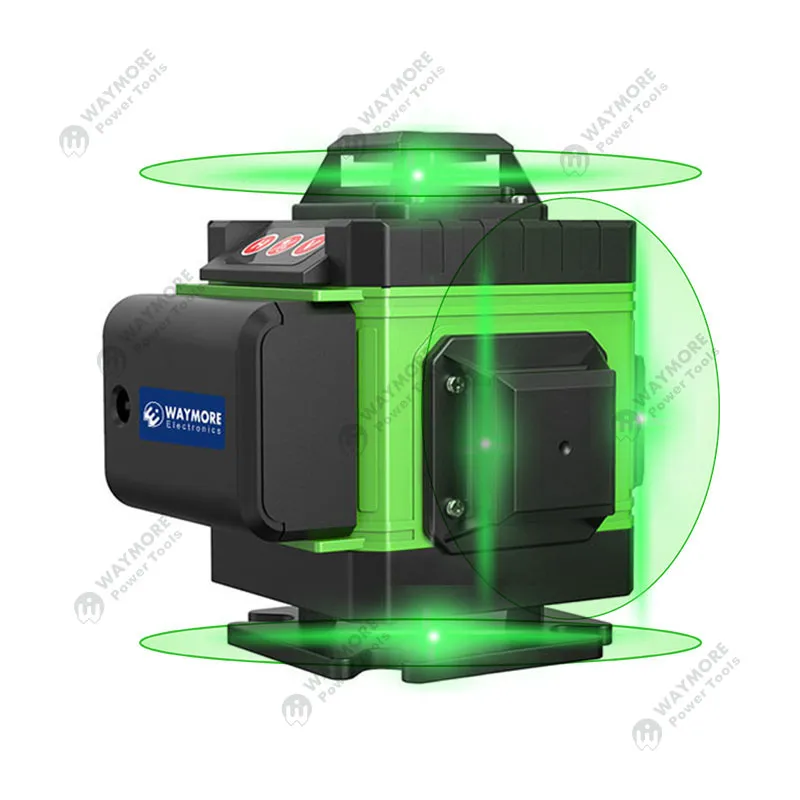
One primary difficulty is the inability of laser levels to project a level plane on an inclined surface. The laser beam will follow the slope, resulting in an inaccurate level reference. To overcome this, self-leveling laser levels with slope compensation are required. These devices automatically adjust the laser plane to remain level, regardless of the slope.
Another challenge is the need for stable support on uneven ground. Traditional tripods may not provide sufficient stability on slopes, causing the laser level to wobble or shift. Specialized tripods with adjustable legs or leveling feet are necessary to ensure a stable setup.
Furthermore, the range of the laser beam can be affected by the slope. On steep inclines, the laser beam may not reach the desired distance, making it difficult to establish a level reference over a large area. In such cases, a laser level with a longer range or a receiver may be required.
Additionally, the presence of obstacles on the slope can interfere with the laser beam. Trees, shrubs, or other objects can block the beam, creating gaps in the level reference. To mitigate this, it is essential to clear the path of the laser beam or use a laser level with a rotating head that can project the beam in multiple directions.
Finally, the accuracy of the laser level can be compromised by vibrations or movement on the slope. To ensure reliable results, it is crucial to use a laser level with a high level of accuracy and to minimize vibrations by placing the device on a stable surface or using a vibration-dampening mount.
In conclusion, setting up laser levels on uneven terrains requires careful consideration of the challenges posed by slopes and inclines. By utilizing self-leveling laser levels with slope compensation, stable tripods, and appropriate accessories, it is possible to overcome these difficulties and achieve accurate leveling results even on challenging surfaces.
Compensating for Uneven Surfaces with Laser Levels
Laser levels are invaluable tools for ensuring precision and accuracy in various construction and renovation projects. However, when working on uneven terrains, setting up laser levels can pose significant challenges. The uneven ground can disrupt the level's self-leveling mechanism, leading to inaccurate readings and compromised project outcomes.One common difficulty encountered on uneven surfaces is the inability of the laser level to self-level effectively. Laser levels typically rely on a pendulum or electronic sensors to establish a horizontal or vertical reference plane. However, on uneven ground, the pendulum or sensors may not be able to stabilize correctly, resulting in an inaccurate level.
Another challenge is the potential for the laser beam to be obstructed by obstacles or uneven surfaces. This can disrupt the laser's line of sight, making it difficult to project a clear and visible beam. Consequently, it becomes challenging to align objects or establish reference points accurately.
To compensate for these difficulties, several strategies can be employed. Firstly, it is crucial to select a laser level with a wide self-leveling range. This ensures that the level can adjust to varying degrees of unevenness, minimizing the risk of inaccurate readings. Additionally, using a tripod with adjustable legs allows for precise leveling on uneven surfaces.
Furthermore, utilizing a laser level receiver can enhance visibility and accuracy. A receiver detects the laser beam and emits a signal, making it easier to locate the beam even in bright or obstructed conditions. This can be particularly beneficial when working on uneven terrains where the laser beam may be difficult to see.
In cases where the unevenness is extreme, it may be necessary to create a stable platform for the laser level. This can involve using leveling blocks or shims to elevate the level and ensure a stable base. By taking these measures, it is possible to compensate for uneven surfaces and achieve accurate results with laser levels.
In conclusion, while uneven terrains can present challenges for laser level setup, employing appropriate strategies can mitigate these difficulties. By selecting a laser level with a wide self-leveling range, using a tripod with adjustable legs, utilizing a laser level receiver, and creating a stable platform when necessary, it is possible to overcome the challenges posed by uneven surfaces and ensure accurate and precise results in construction and renovation projects.
Overcoming Obstacles in Rugged Terrain
**Setup Difficulties in Uneven Terrains for Laser Levels**Laser levels are invaluable tools for construction and renovation projects, providing precise horizontal and vertical references. However, uneven terrains can pose significant challenges to their setup and accuracy.
One major difficulty is the presence of slopes and inclines. Laser levels typically emit a horizontal or vertical beam, which can become distorted or inaccurate when projected onto an inclined surface. This can lead to errors in measurements and misalignment of structures.
Another challenge is the presence of obstacles, such as trees, rocks, or uneven ground. These obstacles can block the laser beam, creating gaps in the reference line. This can make it difficult to establish a continuous and accurate reference plane.
Furthermore, uneven terrains can affect the stability of the laser level. Tripods or other support systems may not be able to provide a stable base on uneven surfaces, causing the laser level to wobble or shift. This can result in inaccurate readings and compromised precision.
To overcome these difficulties, several strategies can be employed. First, it is crucial to select a laser level with features designed for uneven terrains. Some models offer self-leveling capabilities that automatically adjust the beam to compensate for slopes and inclines.
Additionally, using a tripod with adjustable legs can help stabilize the laser level on uneven surfaces. By adjusting the leg lengths, the tripod can be leveled to provide a stable base for the laser level.
In cases where obstacles block the laser beam, it may be necessary to use a laser receiver. These devices detect the laser beam and emit a signal, allowing the user to locate the reference line even when the beam is obstructed.
Finally, it is important to carefully plan the setup of the laser level in uneven terrains. By identifying potential obstacles and slopes in advance, the user can choose the most suitable location and setup method to minimize errors and ensure accuracy.
In conclusion, uneven terrains can present challenges to the setup and accuracy of laser levels. However, by selecting the appropriate equipment, employing proper setup techniques, and carefully planning the installation, these difficulties can be overcome, ensuring precise and reliable measurements even in rugged conditions.
Stabilizing Laser Levels on Unstable Ground
**Setup Difficulties in Uneven Terrains for Laser Levels**Laser levels are invaluable tools for construction and renovation projects, providing precise horizontal and vertical references. However, setting up laser levels on uneven terrains can present significant challenges.
One major difficulty is the lack of a stable surface. Laser levels require a flat and level base to ensure accurate readings. On uneven ground, the level may tilt or shift, resulting in inaccurate measurements. To overcome this, it is essential to use a tripod or other support system that can provide a stable platform.
Another challenge is the presence of obstacles. Uneven terrains often feature obstacles such as rocks, roots, or debris. These obstacles can block the laser beam, preventing it from reaching its intended target. To mitigate this issue, it is necessary to clear the area of any obstructions or use a laser level with a self-leveling feature that can compensate for minor irregularities.
Furthermore, uneven terrains can cause the laser beam to scatter or reflect, leading to inaccurate readings. To minimize this effect, it is advisable to use a laser level with a narrow beam width and to avoid aiming the beam directly at reflective surfaces.
In addition to these technical challenges, setting up laser levels on uneven terrains can also be physically demanding. The weight of the laser level and tripod, combined with the uneven ground, can make it difficult to maneuver and position the equipment accurately. It is important to use proper lifting techniques and to take breaks as needed to avoid strain or injury.
Despite these difficulties, it is possible to set up laser levels on uneven terrains with precision and accuracy. By carefully considering the challenges and implementing appropriate solutions, contractors and DIY enthusiasts can ensure that their laser levels provide reliable and consistent measurements, even in the most challenging conditions.
Calibrating Laser Levels for Accurate Measurements
**Setup Difficulties in Uneven Terrains for Laser Levels**Laser levels are indispensable tools for construction and renovation projects, providing precise horizontal and vertical references. However, setting up laser levels in uneven terrains can present significant challenges.
One major difficulty is the uneven surface itself. Laser levels rely on a stable base to project accurate beams. On uneven ground, the level may tilt or wobble, resulting in distorted or inaccurate readings. To mitigate this, it is crucial to use a tripod or other stable support to ensure the level remains level.
Another challenge is the presence of obstacles. Uneven terrains often feature obstacles such as rocks, roots, or debris. These obstacles can block the laser beam, creating gaps or interruptions in the projected line. To overcome this, it is necessary to clear the area of obstacles or use a laser level with a self-leveling feature that can compensate for minor obstructions.
Furthermore, uneven terrains can affect the range and visibility of the laser beam. In areas with significant elevation changes, the beam may be obstructed by hills or slopes. Additionally, bright sunlight or other light sources can interfere with the visibility of the laser line, making it difficult to see and use. To address these issues, it is advisable to use a laser level with a high-power beam and to work in shaded areas or during low-light conditions.
In addition to these practical challenges, setting up laser levels in uneven terrains requires careful planning and attention to detail. It is essential to assess the terrain thoroughly and identify potential obstacles or elevation changes. By taking these factors into account and using appropriate techniques, it is possible to overcome the setup difficulties and achieve accurate measurements even in challenging terrains.
In conclusion, setting up laser levels in uneven terrains requires careful consideration of the surface conditions, obstacles, and environmental factors. By using stable supports, clearing obstacles, and selecting a laser level with appropriate features, it is possible to mitigate these challenges and ensure accurate measurements for construction and renovation projects.
Troubleshooting Laser Level Errors in Uneven Terrains
**Setup Difficulties in Uneven Terrains for Laser Levels**Laser levels are invaluable tools for ensuring precision in construction and renovation projects. However, uneven terrains can pose significant challenges to their setup and accuracy.
One primary difficulty arises from the inherent nature of laser levels. They project a horizontal or vertical plane of light, which assumes a level surface. On uneven terrains, this plane may not align correctly, leading to inaccurate measurements.
Another challenge is the instability of the laser level on uneven surfaces. Tripods or other support systems may struggle to maintain a stable base, causing the laser beam to wobble or shift. This can result in inconsistent readings and errors in leveling.
Furthermore, uneven terrains can obstruct the laser beam's path. Obstacles such as rocks, vegetation, or uneven ground can block the beam, preventing it from reaching its intended target. This can make it difficult to establish a clear reference plane for leveling.
To overcome these difficulties, several strategies can be employed. Firstly, it is crucial to select a laser level with self-leveling capabilities. These devices automatically adjust their beam to compensate for minor variations in the surface level.
Secondly, using a tripod with adjustable legs can help stabilize the laser level on uneven surfaces. By adjusting the leg lengths, the tripod can be leveled independently of the ground, providing a stable base for the laser level.
Additionally, using a laser level with a rotating head can help overcome obstacles. By rotating the head, the laser beam can be projected in different directions, allowing it to bypass obstructions and reach its target.
In extreme cases, it may be necessary to create a temporary level surface for the laser level. This can be achieved by using leveling compound or by constructing a platform made of plywood or other materials.
By understanding the challenges of setting up laser levels in uneven terrains and employing appropriate strategies, contractors and DIY enthusiasts can ensure accurate and reliable leveling results, even in challenging conditions.
Tips for Setting Up Laser Levels in Challenging Environments
Setting up laser levels in uneven terrains can present unique challenges that require careful consideration and specialized techniques. One of the primary difficulties lies in establishing a stable and level reference point. Traditional methods, such as using a tripod or leveling base, may prove inadequate on uneven surfaces.To overcome this obstacle, consider employing a self-leveling laser level equipped with a pendulum or electronic leveling system. These devices automatically adjust the laser beam to maintain a horizontal or vertical plane, regardless of the terrain's irregularities. Additionally, utilizing a laser level with a wide leveling range can accommodate significant slopes and unevenness.
Another challenge arises when attempting to project the laser beam over long distances in uneven terrains. Obstacles such as trees, buildings, or uneven ground can obstruct the beam's path. To mitigate this issue, consider using a laser level with a high-power output and a narrow beam width. This combination ensures that the beam remains visible and focused over extended distances, even in challenging conditions.
Furthermore, employing a laser level with multiple beams can enhance visibility and accuracy in uneven terrains. By projecting multiple beams at different angles, you can create a more comprehensive reference plane that compensates for any irregularities in the surface. This technique is particularly useful when working on slopes or uneven ground.
When setting up a laser level in uneven terrains, it is crucial to pay attention to the stability of the device. Ensure that the laser level is securely mounted on a tripod or other stable surface. Additionally, consider using a leveling rod or other accessories to provide additional support and stability.
Finally, it is essential to consider the environmental conditions when setting up a laser level in uneven terrains. Extreme temperatures, rain, or wind can affect the accuracy and visibility of the laser beam. If possible, choose a time and location with favorable weather conditions. Alternatively, consider using a laser level with weather-resistant features to minimize the impact of environmental factors.
By addressing these challenges and employing the appropriate techniques, you can effectively set up laser levels in uneven terrains and achieve accurate and reliable results. Remember to prioritize stability, visibility, and environmental considerations to ensure successful laser level operation in challenging environments.
Conclusion
**Conclusion:**Setting up laser levels in uneven terrains presents significant challenges due to the need for precise leveling and stability. The uneven ground can cause the laser beam to deviate from its intended path, leading to inaccurate measurements. Additionally, the instability of the laser level on uneven surfaces can result in vibrations and movement, further compromising the accuracy of the readings. To overcome these difficulties, it is crucial to employ specialized techniques and equipment, such as leveling bases, tripods with adjustable legs, and self-leveling laser levels, to ensure proper setup and accurate measurements in uneven terrains.