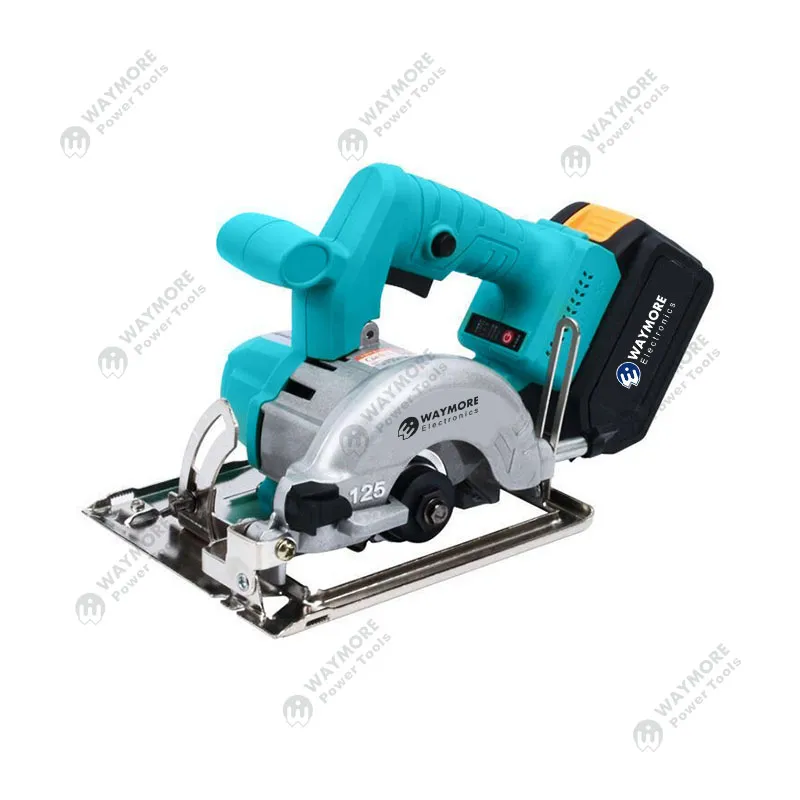
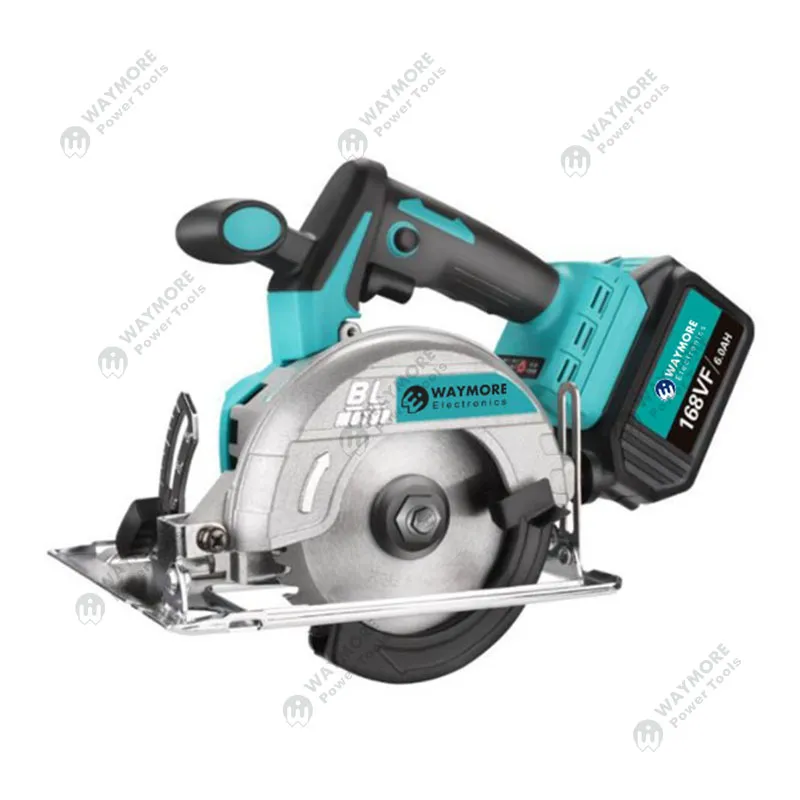
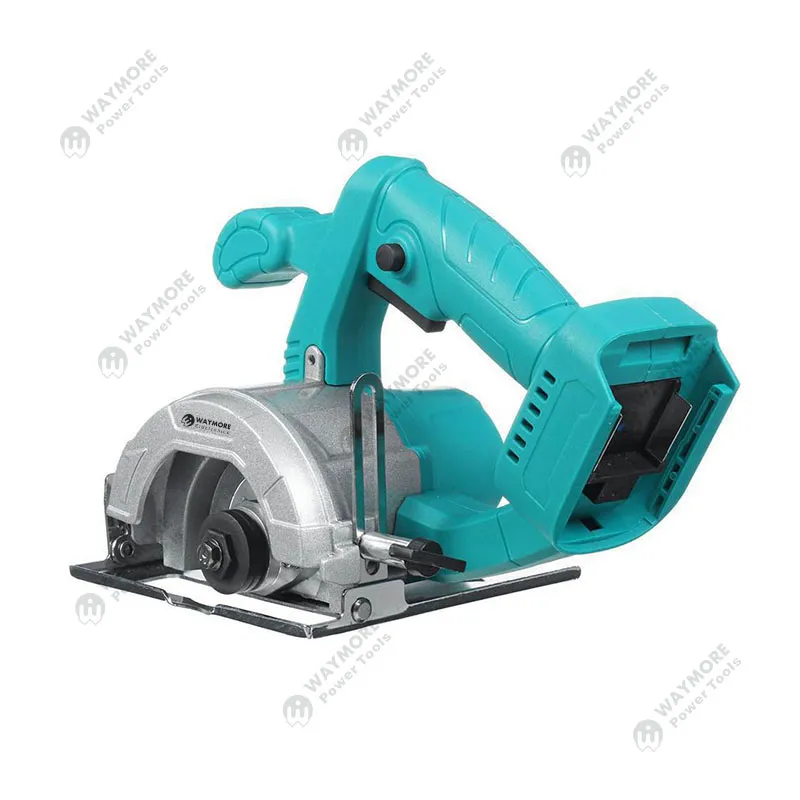
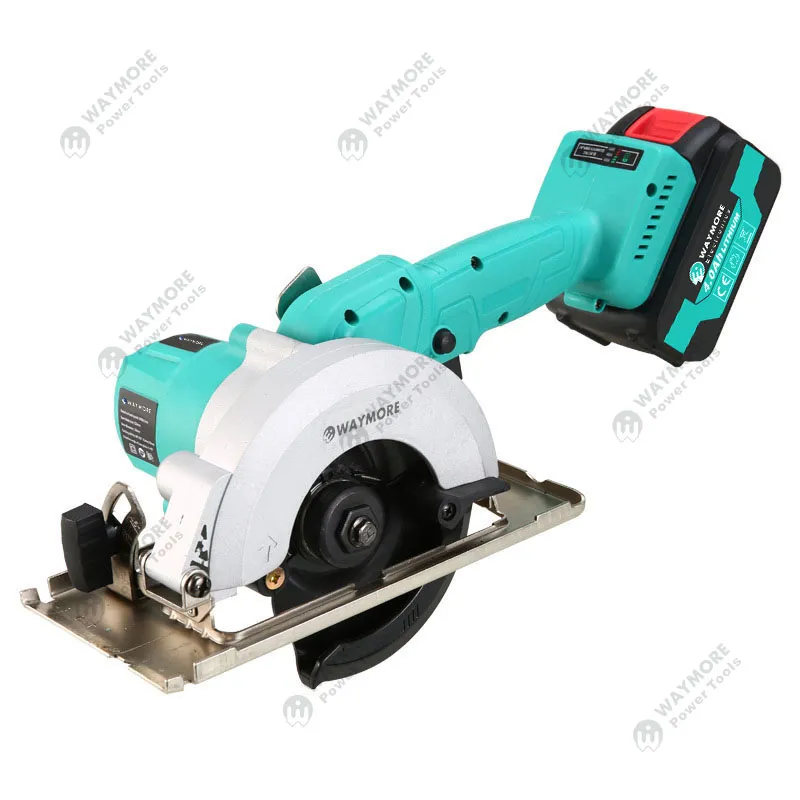
Waymore Tools
Today's news:
1. According to Kyodo News, the preliminary value of trade statistics for May (based on customs clearance) released by the Ministry of Finance of Japan on the 19th showed that the trade balance of exports minus imports was a deficit of 1.2213 trillion yen (about 56 billion yuan). This is the second consecutive month of deficit.
2. According to Kyodo News, Ricoh announced on the 18th that it will release a new film camera under its "PENTAX" brand on July 12. This is the first time the brand has launched a film camera in about 21 years since April 2003. As digital cameras and mobile phone photography become mainstream, Ricoh is focusing on young people who appreciate retro aesthetics and aims to develop new customer groups.
3. According to AFP, the Irish regulator announced on the 14th that Meta, the parent company of Facebook and Instagram, which has faced complaints in 11 European countries, has suspended its plan to use user private data in the development of artificial intelligence tools.
4. Yahua Group: Its wholly-owned subsidiary Yahua Lithium has signed a "Production Pricing Agreement" with Tesla of the United States, agreeing that Tesla will purchase lithium carbonate products from Ya'an Lithium from 2025 to 2027.
5. Guangzhou City, Guangdong Province: The city aims to increase the recycling and dismantling volume of scrapped cars by 50% compared to 2023 by 2025, reaching 72,000 vehicles. By 2027, the city's scrapped car recycling and dismantling volume will increase by two times compared to 2023, reaching about 80,000 vehicles, accounting for more than 10% of the total scrap recycling volume in the province.
6. Trendforce: China's wafer foundry capacity utilization recovery is progressing faster than its peers, with some process capacities unable to meet customer demand and already fully loaded. In response to the traditional stocking peak season in the second half of the year, the tight capacity situation may continue until the end of the year. This could lead to a rebound in China's wafer foundries and possibly create a price increase atmosphere for specific processes.
7. TechInsights: Fab equipment for advanced packaging is expected to grow 6% year-on-year to $3.1 billion in 2024. Cailian: China's major companies have container orders scheduled until October, and prices have risen sharply. The price of small containers has increased from a low of 1,750 yuan per piece in November last year to 2,350 yuan per piece, an increase of more than 30%.
8. Global grid capital investment is expected to increase by 5% from the previous year to $310 billion in 2023, with European grid investment reaching $60 billion. Digitalization and high-voltage transmission network upgrades will account for a larger proportion of expenditures, reflecting the diversity of global approaches to strengthening grid infrastructure. The application of smart grid technology has brought many benefits to consumers and utilities, including reducing peak loads, increasing the integration of renewable energy, and reducing operating costs. At the same time, many developing countries are seeking to attract investment and promote grid modernization through policy reforms and international cooperation. Smart meters are one of the key terminal products for smart grid construction. The growth of new energy installed capacity has led to a significant increase in the demand for intelligent transformation of power grids. Countries have gradually increased their investment in smart grids. Mature markets such as China, the United States, and Europe are mainly focused on replacing existing smart meters, while emerging markets such as Latin America are mainly driven by incremental demand. Overseas meter bidding is mainly initiated by local power grid companies. It is recommended to pay attention to leading meter manufacturers that have successful experience in overseas markets and have established channel resources.
9. International financial history has repeatedly proved that once a major financial risk or financial crisis occurs, the development achievements accumulated over the years are likely to be swallowed up overnight, causing inestimable losses to investors, and high-quality development is out of the question. Therefore, it is necessary to place strong supervision in a more prominent position, continuously improve and strengthen supervision on the track of rule of law, "early identification, early warning, early exposure, and early disposal" of various risks, and continuously improve the inherent stability of the capital market.
Support LinksIf you find the project helpful, please consider buying me a coffee:
Today’s exchange rate:
1 USD = 7.2600 RMB
1 EUR = 7.7968 RMB
1 GBP = 9.2278 RMB
Today's Insights: AI, Web3, Generation Z, and a New Concept of Work - Four Forces Transforming the Future of Work
The way we work is undergoing a profound transformation. The gig economy is rising, geographical boundaries are dissolving, and decentralized labor is becoming more prominent. These changes are driven by four key forces: Generative AI, Web3 business models, the youth movement, and society's evolving perception of work. Business leaders must grasp these forces to lead their enterprises successfully into the future.
The traditional work constraints—cubicles, fixed schedules, and geographical limitations—are dissolving due to the pandemic, globalization, and the gig economy. Web3 and generative artificial intelligence (GenAI) are augmenting work. This shift is ushering in a new model: a 24/7, year-round, borderless collaborative ecosystem that spans continents, time zones, and cultures. Whether it’s a software developer in São Paulo collaborating with a designer in Singapore or a data analyst in London working with an illustrator in Nairobi, they can now come together in real-time to create and innovate.
This shift towards decentralized, project-based roles is advancing the gig economy and promoting greater access to economic opportunities globally. Blockchain technology will underpin these new models, providing tamper-proof work histories that will become the new resumes, showcasing workers' skills, achievements, and work experience, thereby enhancing trust and employability. Additionally, new payment methods, such as digital tokens, will drive our move towards a more decentralized workforce.
1. Generative AI: The Cognitive Work Domain
Generative AI is set to have a profound impact on the future of work, the labor market, and office professionals. While AI will replace certain repetitive human tasks and jobs, its true potential lies in augmenting human capabilities. A study by the International Labour Organization found that AI is more likely to enhance rather than eliminate jobs. AI will not replace white-collar jobs but will augment them, enabling workers to be more productive.
AI's transformative potential extends beyond automation. It has the potential to replace cognitive jobs on a large scale. Recent research by Goldman Sachs supports this claim, revealing that AI may replace the equivalent of 300 million full-time jobs in the next 15 years, impacting office jobs previously thought to be secure. However, AI also has the potential to create 69 million new jobs in the next five years. If AI growth forecasts are fully realized, AI may eventually increase global GDP by 7%. By 2025, global AI investment is expected to approach $200 billion, supporting humanity in unprecedented ways. Most experts believe AI will positively impact future jobs and increase corporate profitability and productivity.
2. Web3 Introduces New Business Models
Emerging decentralized work models depend on the distribution of power and tasks, aligning work more closely with individual needs and collective goals. These technologies, often referred to as Web3, represent more than just a technical upgrade. They lay the foundation for a breakthrough transformation in our relationship with work.
Web3 introduces a range of new business models thanks to technologies such as blockchain, decentralized protocols, and user data ownership. The gig economy is evolving into a global talent marketplace where independent workers have more power and control over their income and livelihoods. Web3 technology can solve various business problems and employee frustrations, such as removing middlemen, allowing fairer compensation, and enabling ownership of one's work.
For example, decentralized autonomous organizations (DAOs) disperse decision-making power to multiple contributors or token holders, enabling community-driven projects. DAOs democratize the workplace, transforming employees into empowered contributors with a tangible stake in their work. Governance tokens allow DAO members to participate directly in decision-making, fostering a culture of ownership centered around verifiability, transparency, and fairness. This fundamentally reshapes what it means to truly participate in work.
Decentralized finance (DeFi) is also bringing a financial revolution without intermediaries, allowing anyone with a smartphone to participate in global finance. DeFi makes financial products more accessible, enabling individuals to bypass traditional gatekeepers.
3. Youthquake: A New Generation of Workers
The term "youthquake" describes the impact Generation Z is having on the workplace. This digital-native generation, representing about 52% of the world's population, is naturally digitally savvy and blends the physical and digital realms. Platforms like Roblox, with its vast user-generated content, exemplify how young people create and work in digital environments, earning virtual rewards that can be converted into real money.
Generation Z's preference for digital over traditional careers highlights the rising influence of the influencer economy. According to a recent poll, 75% of kids aged 6 to 17 now aspire to be YouTubers rather than traditional professionals. This shift brings a new, critical perspective on how work is organized, paid, and valued.
4. Society's Changing Perception of Work
The coronavirus pandemic has forever altered our relationship with work. Remote work has proven to be productive, with studies showing increased productivity at home. The gig economy is becoming more prevalent, offering individuals greater flexibility in choosing when, where, and how to work. This shift in attitudes emphasizes well-being, purpose, and environmental and social responsibility.
The next generation of workplaces will prioritize employee well-being, mental health, and a sense of purpose. Businesses now understand that motivated and satisfied employees can significantly increase productivity and inspire innovation. Practices such as remote collaboration, flexible work hours, and relaxed dress codes, once unconventional, are now widely accepted.
The Work3 Institute specializes in the intersection of AI, Web3 technology, and workplace strategy. We help large enterprises transform into the Work3 phase, a new paradigm tailored for the Web3 and AI era. This phase is characterized by adaptability, technology integration, flexibility, and collaboration, considering productivity, personal well-being, and broader social impact.
By embracing current and future technologies and innovations, the future of work will be better. From virtual reality meetings that eliminate distance to better work-life balance and AI algorithms that augment human talent, the future of work promises unprecedented opportunities. However, it is crucial to use these tools wisely and responsibly to ensure a positive work experience for everyone.
The world of work is on the brink of seismic change. Those who harness these forces will unlock new frontiers of productivity and creativity, while those who resist risk becoming relics of a bygone era.