 WAYMORE TOOLS
Common causes of kickback when using circular saws | Waymore Tools
By Waymore Tools — Your Trusted Partner in Professional Power Tools
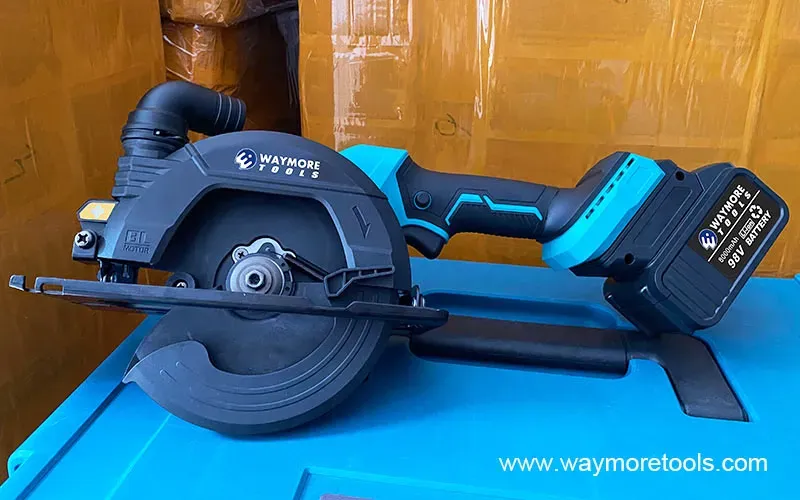
Table of Contents
Beware the kickback: Know the risks when using circular saws
Introduction
Common Causes of Kickback When Using Circular Saws:
- Incorrect blade selection: Using a dull or damaged blade can increase the risk of kickback.
- Improper blade alignment: Misaligned blades can cause the saw to bind and kick back.
- Insufficient workpiece support: Not properly supporting the workpiece can allow it to move and cause kickback.
- Incorrect cutting technique: Pushing the saw too hard or cutting at an angle can increase the likelihood of kickback.
- Binding: When the blade becomes pinched or stuck in the workpiece, it can cause the saw to kick back.
- Kickback zone: The area behind the blade where kickback is most likely to occur.
- Improper grip: Holding the saw incorrectly can reduce control and increase the risk of kickback.
- Lack of safety features: Saws without anti-kickback pawls or blade guards can be more prone to kickback.
Dull or Damaged Blades
Common Causes of Kickback When Using Circular Saws
Kickback, a sudden and dangerous upward motion of a circular saw, can occur due to several factors. One of the most prevalent causes is a dull or damaged blade. As a blade dulls, it requires more force to cut through the material, increasing the likelihood of kickback. Similarly, a blade with missing or bent teeth can create an uneven cutting surface, leading to binding and kickback.
Another common cause of kickback is improper blade selection. Using a blade with the wrong number of teeth or tooth configuration for the material being cut can result in excessive friction and binding. For instance, a blade with too few teeth may struggle to cut through thick or dense materials, while a blade with too many teeth may create excessive heat and friction.
Incorrect saw setup can also contribute to kickback. If the blade is not properly aligned with the saw base, it can create a binding effect as the blade enters the material. Additionally, an improperly adjusted blade guard or anti-kickback pawls can fail to prevent the saw from kicking back.
Kickback can also occur due to improper cutting techniques. Applying excessive force to the saw or cutting at an angle can cause the blade to bind and kick back. Furthermore, cutting into knots or other irregularities in the material can create sudden changes in resistance, leading to kickback.
To minimize the risk of kickback, it is crucial to use a sharp, undamaged blade that is appropriate for the material being cut. Proper saw setup, including blade alignment and guard adjustment, is also essential. Additionally, using proper cutting techniques, such as applying steady pressure and cutting straight, can help prevent kickback.
In conclusion, kickback is a serious hazard that can be caused by various factors, including dull or damaged blades, improper blade selection, incorrect saw setup, and improper cutting techniques. By understanding these causes and taking appropriate precautions, users can significantly reduce the risk of kickback and ensure safe operation of circular saws.
Improper Blade Installation
Common Causes of Kickback When Using Circular Saws: Improper Blade Installation
Kickback, a sudden and dangerous upward motion of a circular saw, can occur due to several factors, one of the most common being improper blade installation. This article explores the causes of kickback related to blade installation and provides guidance on how to prevent it.
Blade Orientation
The blade must be installed with the teeth facing the correct direction. If the teeth are facing the wrong way, the saw will bind and kick back. Ensure that the arrow on the blade matches the direction of rotation indicated on the saw.
Blade Size and Type
Using a blade that is too large or too small for the saw can cause kickback. The blade should be the correct size for the arbor and have the appropriate number of teeth for the material being cut. Additionally, choose a blade type suitable for the material, such as a carbide-tipped blade for cutting metal.
Blade Tension
Proper blade tension is crucial to prevent kickback. A blade that is too loose can wobble and bind, while a blade that is too tight can put excessive stress on the saw and cause it to kick back. Adjust the blade tension according to the manufacturer's instructions.
Blade Alignment
The blade must be aligned perpendicular to the baseplate of the saw. If the blade is misaligned, it can create a binding point that causes kickback. Use a square or a blade alignment tool to ensure proper alignment.
Blade Condition
A dull or damaged blade can increase the risk of kickback. Inspect the blade regularly for signs of wear or damage. Replace the blade if it is dull, chipped, or bent.
Preventing Kickback
To prevent kickback, follow these additional tips:
- Use a sharp blade and keep it clean.
- Secure the workpiece firmly before cutting.
- Hold the saw firmly with both hands and maintain control throughout the cut.
- Avoid cutting into knots or other hard objects.
- Be aware of the direction of the cut and the potential for kickback.
By addressing improper blade installation and following these preventive measures, you can significantly reduce the risk of kickback when using circular saws. Remember, safety should always be the top priority when operating power tools.
Incorrect Cutting Technique
Common Causes of Kickback When Using Circular Saws: Incorrect Cutting Technique
Kickback, a sudden and dangerous upward motion of a circular saw, can occur due to several factors, one of which is incorrect cutting technique. Understanding these techniques can help prevent this hazardous event.
1. Cutting Against the Grain:
Cutting against the grain, where the saw blade moves in the opposite direction of the wood fibers, creates resistance. This resistance can cause the saw to bind and kick back. Always cut with the grain, allowing the blade to follow the natural direction of the fibers.
2. Pinching the Blade:
Pinching occurs when the wood closes in on the blade, causing it to bind. This can happen when cutting narrow or thin pieces or when the saw is not properly aligned with the cut line. Ensure the blade is sharp and the cut line is straight to prevent pinching.
3. Improper Blade Selection:
Using the wrong blade for the material can lead to kickback. For example, a blade with too few teeth can cause the saw to bog down and bind, while a blade with too many teeth can create excessive friction. Choose a blade with the appropriate number of teeth and sharpness for the material being cut.
4. Incorrect Blade Angle:
The blade angle should be set correctly for the material and the type of cut being made. An incorrect angle can cause the saw to bind and kick back. Refer to the manufacturer's instructions for the recommended blade angle for different materials.
5. Lack of Control:
Maintaining proper control over the saw is crucial. Holding the saw firmly with both hands and keeping it level prevents it from twisting or jumping, which can lead to kickback. Use a saw guide or fence to ensure a straight and controlled cut.
6. Dull or Damaged Blade:
A dull or damaged blade can increase friction and cause the saw to bind. Regularly sharpen or replace the blade to ensure optimal performance and reduce the risk of kickback.
7. Insufficient Support:
Properly supporting the workpiece is essential. Cutting a piece that is not adequately supported can cause it to move or vibrate, leading to kickback. Use a sawhorse or table to provide a stable base for the workpiece.
By adhering to these proper cutting techniques, you can significantly reduce the risk of kickback when using circular saws. Remember to always wear appropriate safety gear, including eye protection, hearing protection, and gloves.
Binding of the Workpiece
Common Causes of Kickback When Using Circular Saws: Binding of the Workpiece
Kickback, a sudden and dangerous reaction that occurs when a circular saw blade binds against the workpiece, is a prevalent hazard in woodworking. Understanding the causes of kickback is crucial for preventing this potentially severe accident.
One of the primary causes of kickback is the binding of the workpiece. This occurs when the blade becomes pinched or trapped within the material, causing the saw to lurch backward violently. Several factors can contribute to workpiece binding:
- Improper Blade Selection: Using a dull or damaged blade can increase friction and the likelihood of binding. Ensure that the blade is sharp and appropriate for the material being cut.
- Incorrect Cutting Technique: Applying excessive force or cutting at an angle can cause the blade to bind. Maintain a steady, even pressure and cut straight along the intended line.
- Insufficient Clearance: If the workpiece is not adequately supported or clamped, it can flex or move during cutting, leading to binding. Ensure that the workpiece is securely held in place.
- Narrow Kerf: A narrow kerf, the width of the cut made by the blade, can increase the risk of binding. Use a blade with a wider kerf for thicker materials.
- Material Characteristics: Certain materials, such as hardwoods or materials with knots, can be more prone to binding due to their density or irregular grain patterns.
To prevent workpiece binding and the associated risk of kickback, follow these precautions:
- Use a sharp, appropriate blade for the material.
- Maintain a steady, even cutting technique.
- Securely support and clamp the workpiece.
- Use a blade with a wider kerf for thicker materials.
- Be aware of the material's characteristics and adjust your cutting technique accordingly.
By understanding the causes of workpiece binding and implementing these preventive measures, you can significantly reduce the risk of kickback and ensure a safe woodworking environment.
Kickback from Knots or Grain Changes
Common Causes of Kickback When Using Circular Saws
Kickback, a sudden and dangerous upward motion of a circular saw, can occur due to several factors. One prevalent cause is encountering knots or grain changes in the wood.
Knots, the result of branches embedded in the tree, create a dense and unpredictable grain pattern. When the saw blade strikes a knot, it can become trapped and cause the saw to lurch upward. Similarly, grain changes, such as cross-grain or diagonal cuts, can disrupt the blade's smooth path, leading to kickback.
To mitigate these risks, it is crucial to identify and avoid knots whenever possible. If a knot cannot be avoided, use a sharp blade and make a shallow cut to minimize the chance of the blade becoming trapped. Additionally, always support the workpiece securely to prevent it from moving during the cut.
Another common cause of kickback is binding, which occurs when the saw blade becomes pinched between the workpiece and the saw base. This can happen when the workpiece is not properly clamped or when the saw is not held firmly. To prevent binding, ensure that the workpiece is securely fastened and that the saw is held perpendicular to the cutting surface.
Furthermore, kickback can result from improper blade selection. Using a dull or damaged blade can increase the likelihood of the blade becoming trapped or binding. Always use a sharp, high-quality blade that is appropriate for the material being cut.
Finally, kickback can be caused by operator error. Rushing the cut or applying excessive force can increase the risk of the saw becoming unstable. Always maintain a firm grip on the saw and cut at a controlled pace.
By understanding these common causes of kickback and taking appropriate precautions, you can significantly reduce the risk of this dangerous event. Remember to identify and avoid knots, support the workpiece securely, use a sharp and appropriate blade, and operate the saw with care.
Insufficient Hold-Down Pressure
Common Causes of Kickback When Using Circular Saws
Kickback, a sudden and dangerous upward motion of a circular saw, can occur due to several factors. Understanding these causes is crucial for safe operation.
Insufficient Hold-Down Pressure
Inadequate hold-down pressure on the workpiece allows it to move freely, increasing the risk of kickback. Ensure that the workpiece is firmly secured to a stable surface using clamps or a vise.
Incorrect Blade Selection
Using a dull or damaged blade can cause the saw to bind and kickback. Select a sharp, appropriate blade for the material being cut.
Improper Cutting Technique
Cutting against the grain or applying excessive force can cause the blade to bind and kickback. Always cut with the grain and avoid applying excessive pressure.
Binding
When the blade becomes pinched or trapped in the workpiece, it can cause kickback. Ensure that the blade is free to move smoothly through the cut.
Improper Guard Position
The blade guard is designed to prevent kickback by covering the blade. Ensure that the guard is properly adjusted and positioned to cover the blade at all times.
Other Factors
Additional factors that can contribute to kickback include:
- Loose or damaged saw: Ensure that the saw is in good working condition and all components are securely fastened.
- Improperly adjusted fence: The fence should be parallel to the blade and provide adequate support for the workpiece.
- Uneven or warped workpiece: Cutting uneven or warped workpieces can cause the blade to bind and kickback.
- Operator fatigue: Fatigue can lead to reduced attention and increased risk of accidents.
Prevention
To prevent kickback, follow these safety precautions:
- Secure the workpiece firmly.
- Use a sharp, appropriate blade.
- Cut with the grain and avoid excessive force.
- Ensure the blade is free to move smoothly.
- Adjust the blade guard properly.
- Inspect the saw regularly and ensure it is in good working condition.
- Be aware of other factors that can contribute to kickback.
By understanding the causes of kickback and implementing proper safety measures, you can minimize the risk of this dangerous event and ensure safe operation of circular saws.
Kickback from Hidden Objects
Common Causes of Kickback When Using Circular Saws: Kickback from Hidden Objects
Kickback, a sudden and dangerous reaction that occurs when a circular saw blade binds or pinches against an object, can result in severe injuries. One common cause of kickback is the presence of hidden objects within the workpiece.
Nails and Screws:
Nails and screws embedded in the wood can cause the blade to bind and kick back. Before cutting, thoroughly inspect the workpiece for any metal fasteners. Use a metal detector or magnet to locate hidden nails or screws.
Knots and Grain Changes:
Knots and grain changes in the wood can create weak points that can cause the blade to bind. Be aware of the grain direction and avoid cutting across knots or areas with significant grain changes.
Embedded Objects:
Rocks, metal fragments, or other foreign objects embedded in the wood can also cause kickback. Use a utility knife or chisel to remove any visible objects before cutting.
Preventing Kickback from Hidden Objects:
To minimize the risk of kickback from hidden objects, follow these precautions:
- Inspect the workpiece thoroughly: Examine the wood for any signs of nails, screws, or other metal fasteners.
- Use a metal detector or magnet: These tools can help locate hidden metal objects.
- Avoid cutting across knots or grain changes: If possible, cut along the grain direction and avoid areas with knots.
- Use a sharp blade: A dull blade is more likely to bind and cause kickback.
- Maintain a firm grip on the saw: Hold the saw firmly with both hands and keep your body balanced.
- Use a riving knife or splitter: These devices help prevent the blade from binding in the cut.
- Be aware of the kickback zone: The kickback zone is the area behind the blade where kickback can occur. Keep your hands and body out of this zone.
By following these precautions, you can significantly reduce the risk of kickback from hidden objects when using a circular saw. Remember, safety should always be your top priority when operating power tools.
Conclusion
Conclusion:
Kickback, a dangerous and potentially severe hazard when using circular saws, can be attributed to several common causes. These include:
- Pinching the blade between the workpiece and a fixed object
- Cutting with the blade's teeth facing the wrong direction
- Using a dull or damaged blade
- Applying excessive force or feeding the workpiece too quickly
- Improperly supporting the workpiece
- Failing to maintain a firm grip on the saw
Understanding these causes and implementing appropriate safety measures, such as using a riving knife or blade guard, maintaining sharp blades, and practicing proper cutting techniques, can significantly reduce the risk of kickback and ensure safe operation of circular saws.
Sourcing next step: compare the full circular saw range, or review a specific model such as the 5 Inch Brushless Circular Saw and the Cordless Circular Saw with our export team — OEM/ODM branding, MOQ 100 units.
Get In Touch
Request a Free Quote
Tell us your requirements and get a wholesale quote within 24 hours.